
Hidden Roofing Problem That Can Cost You More
Many homeowners are surprised when a roofing contractor recommends replacing sections of roof decking during a roof replacement project. After all, if the roof isn’t leaking, why would the plywood or OSB underneath need to be replaced?
One common reason is the presence of ice and water shield.
Ice and water shield is one of the most effective roofing products available for protecting homes from leaks caused by ice dams, wind-driven rain, and water intrusion. However, years later when the roof reaches the end of its lifespan, that same protection can make roof tear-offs significantly more difficult. https://www.rooferscoffeeshop.uk/forum/topic/tearing-off-shingles-on-ice-and-watershield
What Is Ice & Water Shield?
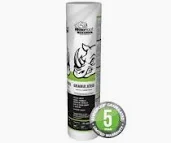
Ice and water shield is a self-adhering waterproof membrane installed directly onto the roof decking before shingles are applied. It is commonly installed along eaves, valleys, around chimneys, skylights, and other vulnerable roof areas.
Unlike traditional roofing felt or synthetic underlayment, ice and water shield contains a rubberized asphalt backing designed to permanently bond to the roof deck and create a watertight seal around roofing nails.
This added protection helps prevent leaks if water manages to get beneath the shingles.
Why Does Ice & Water Shield Become So Difficult to Remove?
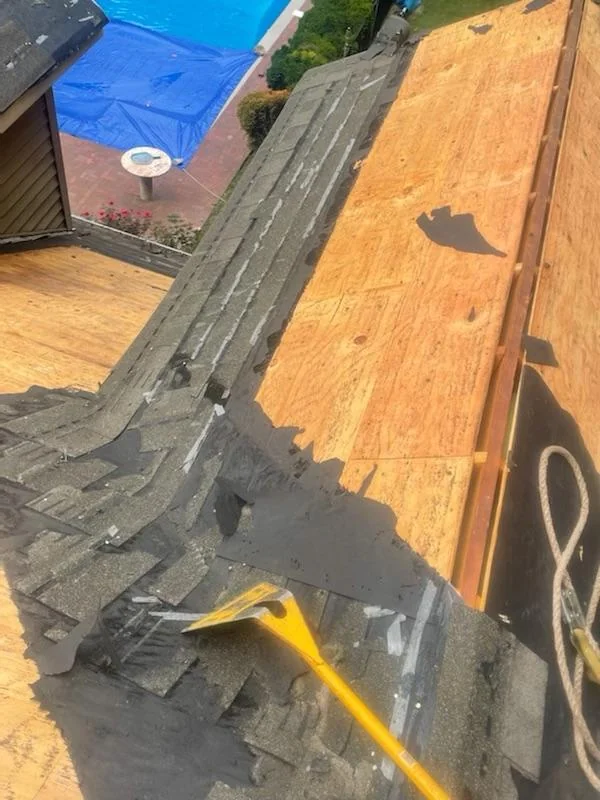
Over time, the adhesive backing can bond aggressively to the roof decking. Several factors contribute to this process.
Years of Heat Exposure
Roofs experience extreme temperatures throughout the year. During hot summer months, roof surfaces can reach well over 150 degrees.
As the membrane heats and cools repeatedly over many years, the adhesive can penetrate deeper into the wood fibers, creating a much stronger bond than when it was first installed.
Type of Roofing Membrane
Not all ice and water shield products are created equal. Premium roofing membranes often contain stronger adhesives designed to provide long-term leak protection.
While this is excellent for protecting the home, it can make future roof removal more challenging.
Roof Decking Material
Older plywood and OSB often have rougher surfaces that allow adhesives to penetrate deeper into the wood grain. As a result, removing the membrane may pull up wood fibers or damage the decking surface.
Poor Attic Ventilation
Inadequate attic ventilation can lead to excessive heat buildup beneath the roof. Higher temperatures can accelerate adhesive bonding and increase the likelihood of decking damage during future roof replacements.
Why Are Shingles Sometimes Harder to Remove?
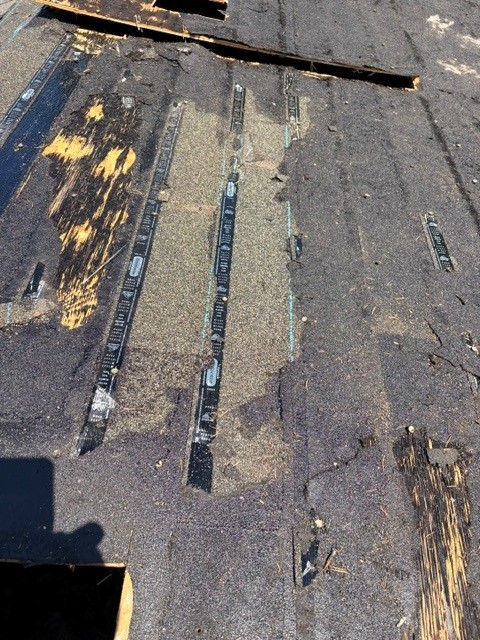
Homeowners often notice that roofing crews spend more time removing shingles in areas protected by ice and water shield.
This happens because the shingles, nails, underlayment, and membrane below have effectively become a tightly bonded roofing system over time. Instead of separating into layers during tear-off, the materials often resist removal together.
The result is a slower, more labor-intensive tear-off process.
Why Roof Decking Sometimes Needs Replacement
During roof replacement, contractors may discover areas where the membrane is bonded so tightly that removing it damages the underlying plywood or OSB.
In these situations, replacing affected sections of decking is often the best solution because it:
- Provides a smooth surface for the new roofing system
- Helps ensure proper shingle installation
- Prevents future roofing issues
- Maintains the structural integrity of the roof
Attempting to install new roofing materials over damaged decking can lead to long-term performance problems.
Is Ice & Water Shield Still Worth It?
Absolutely.
Despite the challenges it can create during future roof replacements, ice and water shield remains one of the most important components of a high-quality roofing system.
Benefits include:
- Superior leak protection
- Protection against ice dams
- Improved resistance to wind-driven rain
- Self-sealing around roofing nails
- Added defense in vulnerable roof areas
The protection it provides over the life of the roof far outweighs the additional labor that may be required decades later. https://www.owenscorning.com/en-us/roofing/components/products/rhinoroof-granulated
The Bottom Line
Ice and water shield is designed to protect your home by creating a waterproof barrier beneath your shingles. Over time, that barrier can bond tightly to the roof decking, making roof tear-offs more difficult and sometimes causing damage to the plywood or OSB underneath.
If your roofing contractor recommends replacing sections of roof decking during a roof replacement, it is often because removing old ice and water shield has compromised the surface. Replacing damaged decking helps ensure your new roof is installed on a solid foundation and will perform properly for years to come.
If you’re considering a roof replacement and have questions about your roof decking, underlayment, or ice and water shield, contact Portland Roofing Company for a professional roof inspection and honest recommendations. https://portlandroofingco.com/contact/