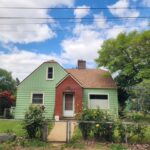
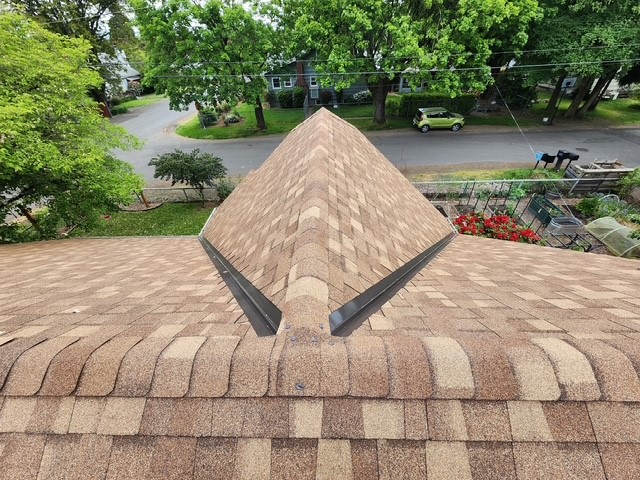
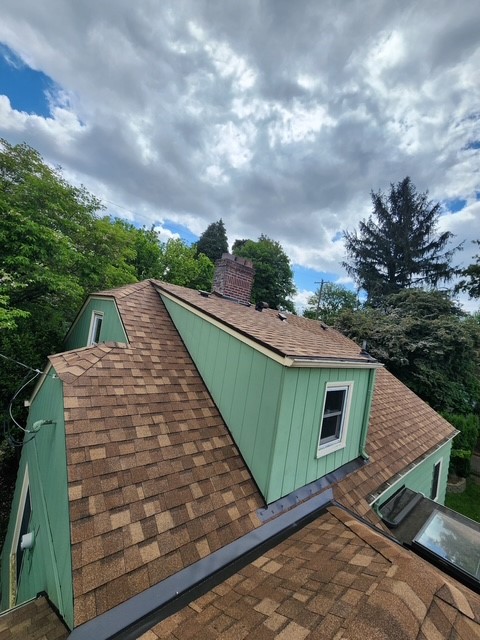
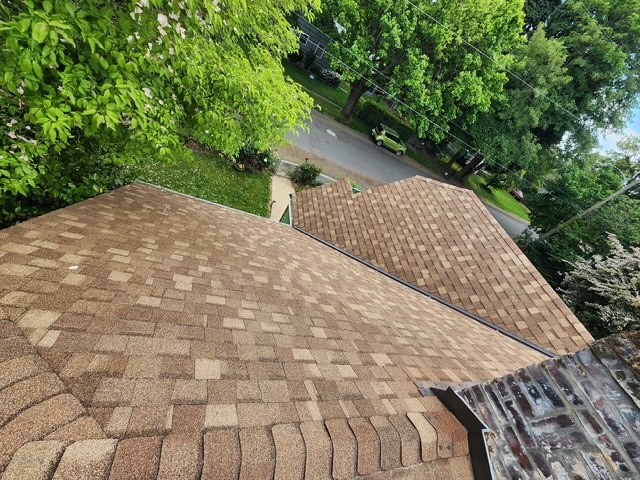
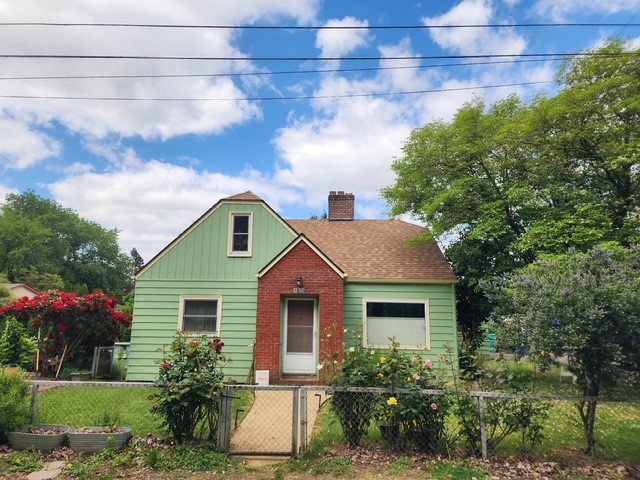
Quality residential roof replacement completed by Portland Roofing Company LLC

Protect Your Portland Metro Home Before Small Problems Become Expensive Repairs

Your roof is one of the most important parts of your home.

However, it is also one of the easiest things to forget about.

After all, most homeowners do not wake up every morning and think, “I wonder how my roof is doing today?” Unlike your kitchen, your floors, or your yard, your roof is usually out of sight and out of mind.

But here is the truth:

Your roof works every single day to protect your home.

It protects your family, your belongings, and everything you have worked hard for. In addition, it protects your home from Oregon’s rain, wind, moss, changing temperatures, and occasional storms.

So, when was the last time you really looked at your roof?

If your answer is:

  • “I don’t remember.”
  • “Probably when we bought the house.”
  • “I guess it’s been a while.”

You are not alone.

Many homeowners do not think about their roof until something goes wrong. Unfortunately, by that time, a small issue may have already turned into a much larger repair.

That is why Portland Roofing Company LLC created this simple roof check guide.

Our goal is simple:

Help Portland-area homeowners understand their roofs, spot warning signs early, and make confident decisions about their homes.

Because when it comes to protecting your home…

We’ve Got You Covered!


Why Your Roof Needs Regular Attention

Your roof is your home’s first layer of protection.

Every day, it faces the elements. For example, during Oregon’s rainy season, your roof works nonstop to keep water away from your home’s interior. During windy months, it protects against falling branches, debris, and strong gusts.

Over time, however, even the best roofing systems will begin to show signs of wear.

This does not mean your roof is failing.

Instead, it means your roof may need attention.

Just like your vehicle needs oil changes and maintenance, your roof benefits from regular inspections and care.

In fact, catching a roofing issue early can often save homeowners thousands of dollars.

A small repair today may prevent:

  • Water damage
  • Mold growth
  • Damaged insulation
  • Ceiling stains
  • Expensive interior repairs
  • Premature roof replacement

Therefore, a simple roof check is one of the easiest ways to protect your investment.


Oregon Weather Can Be Tough on Your Roof

Living in the Portland Metro area means your roof experiences a wide variety of weather conditions.

From heavy rain and wind to moss growth and temperature changes, Oregon roofs go through a lot. According to the National Weather Service, the Pacific Northwest experiences significant seasonal rainfall, making proper roof maintenance especially important for homeowners.

Because of this, homeowners should pay attention to common roofing problems that develop over time.

Some of the most common issues we see include:

Missing or Damaged Shingles

Shingles are designed to protect your home from moisture. However, when shingles become damaged, cracked, or missing, water can find its way underneath.

As a result, your roof deck and interior areas may become vulnerable.

Moss and Algae Growth

Moss is common in the Pacific Northwest. Because moss thrives in cool, damp environments, homeowners in rainy climates should monitor their roofs regularly. The Oregon State University Extension Service provides additional information about managing moss and moisture-related concerns.

While a little moss may seem harmless, it can create problems over time. In fact, moss holds moisture against your shingles, which can shorten the life of your roofing system.

Additionally, heavy moss growth can lift shingles and allow water underneath.

Aging Roofing Materials

No roof lasts forever.

Eventually, shingles begin losing their protective granules, becoming brittle, curling, or cracking.

Therefore, if your roof is approaching 20 years old, it may be time for a professional evaluation.


Roof Check Time: What Should Homeowners Look For?

The good news is you do not need to climb onto your roof to notice warning signs.

Actually, we recommend that homeowners stay safely on the ground.

Instead, take a walk around your home and look carefully at your roof from different angles.

Here are some things to watch for:

1. Curling or Buckling Shingles

Healthy shingles should lay flat and look consistent.

However, older shingles may begin curling at the edges or buckling in certain areas.

This is often a sign that the shingles are aging and may no longer be providing the protection your home needs.

2. Missing Shingles

Strong winds can sometimes remove shingles completely.

Because missing shingles expose your roof system to moisture, they should be addressed quickly.

3. Dark Spots or Uneven Areas

Dark patches may indicate moss, algae, or areas where shingles are wearing differently.

Although not every dark spot means damage, it is worth having inspected.

4. Sagging Areas

A roof should have clean, straight lines.

If you notice sagging or uneven areas, it is important to have a professional take a closer look.

This could indicate moisture problems or damage underneath the roofing materials.


Inside Your Home: Warning Signs Your Roof May Be Trying to Tell You Something

While your roof is designed to protect your home from the outside, sometimes the first warning signs appear indoors.

In fact, your home may start showing clues before you ever notice a visible roofing problem.

Therefore, it is important to pay attention to changes inside your home as well as outside.

Some common indoor warning signs include:

Water Stains on Ceilings or Walls

One of the most obvious signs of a roofing issue is a water stain.

You may notice:

  • Brown or yellow discoloration
  • Peeling paint
  • Bubbling drywall
  • Damp spots after rainfall

However, it is important to remember that the location of the stain does not always show where the leak started.

Water can travel along rafters, insulation, and other areas before appearing inside your home.

Because of this, finding the source of a leak often requires professional experience.


Musty Smells or Moisture in the Attic

Your attic plays an important role in your home’s roofing system.

If your attic feels damp, smells musty, or has signs of moisture, your roof may not be properly keeping water out.

Additionally, poor ventilation can contribute to moisture problems. Proper attic ventilation and insulation also play an important role in home efficiency. The U.S. Department of Energy provides homeowner resources on improving energy efficiency.

Over time, excess moisture can lead to:

  • Damaged insulation
  • Wood deterioration
  • Mold concerns
  • Higher energy costs

For that reason, your attic should be included when evaluating the overall health of your roof.


How Long Does a Roof Last in Oregon?

One of the most common questions homeowners ask is:

“How long should my roof last?”

The answer depends on several factors.

For example:

  • Roofing material
  • Installation quality
  • Weather exposure
  • Proper ventilation
  • Maintenance
  • Surrounding trees
  • Previous repairs

Generally, asphalt shingle roofs can last approximately 20 to 30 years when properly installed and maintained. According to the National Roofing Contractors Association (NRCA), regular roof inspections and maintenance can help identify issues before they become larger problems.

However, Oregon’s wet climate can create additional challenges.

Because of our frequent rain and moisture, regular inspections become even more important.

If your roof is getting older, it does not automatically mean you need a replacement.

Instead, a professional evaluation can help determine whether your roof needs:

  • Minor repairs
  • Maintenance
  • Selective replacement
  • A complete roof replacement

Roof Repair vs. Roof Replacement: How Do You Know Which One You Need?

This is one of the biggest concerns homeowners have.

Many people worry that calling a roofing company automatically means they will be told they need a brand-new roof.

Fortunately, that is not how every roofing company operates.

At Portland Roofing Company LLC, we believe in honest recommendations.

If your roof still has useful life remaining, we will tell you.

If a repair can safely extend the life of your roof, we will explain that option.

However, if your roof has reached the end of its lifespan, we will walk you through the replacement process and explain why it may be the best long-term choice.

Ultimately, the right solution depends on your home’s specific needs.


Signs You May Need a Roof Replacement

Although every roof is different, there are several signs that replacement may be the better option.

These include:

Your Roof Is Near the End of Its Expected Lifespan

If your roof is 20+ years old, it is a good idea to have it inspected.

While some roofs last longer, age is an important factor when planning ahead.

Frequent Repairs Are Adding Up

Occasional repairs are normal.

However, if you are repeatedly fixing leaks, replacing shingles, or addressing damage, replacement may become the more cost-effective option.

Extensive Shingle Damage

If large sections of your roof have:

  • Missing shingles
  • Curling shingles
  • Cracking
  • Granule loss

A replacement may provide better protection and peace of mind.

Previous Roofing Problems Continue

Sometimes, ongoing problems are a sign that the roofing system needs a larger solution.

Therefore, it is important to address the root cause instead of repeatedly treating the symptoms.


Why Choose Portland Roofing Company LLC?

Choosing the right roofing contractor is an important decision.

After all, your roof protects one of your biggest investments—your home.

At Portland Roofing Company LLC, we focus on providing quality workmanship, honest communication, and a smooth customer experience from start to finish.

We are proud to offer:

✅ Free estimates for qualified homeowners*
✅ Experienced in-house roofing crews
✅ Quality roofing materials
✅ Residential roof repairs and replacements
✅ Financing options available
✅ Warranty options available depending on your roofing package**
✅ Service throughout the Portland Metro area within approximately 50 miles or up to one hour from our office

Most importantly, we believe homeowners deserve straightforward answers.

You should know:

  • What condition your roof is in
  • What options are available
  • Why repairs or replacement are recommended
  • What investment you are making in your home

That is why we take the time to explain the process.


Quality Roofing Starts With the Right Process

A successful roofing project is about more than installing shingles.

Instead, it starts with careful planning.

Our process includes:

Step 1: Roof Evaluation

First, we inspect your roofing system and identify any concerns.

Step 2: Honest Recommendations

Next, we explain what we find and discuss your options.

Step 3: Professional Installation

Finally, our experienced crews complete your project with attention to detail and quality workmanship.

Because we handle our own installations with in-house crews, we are able to maintain better consistency and communication throughout your project.


Don’t Wait Until You Have a Leak: Protect Your Home Before Problems Grow

Many homeowners make the same mistake:

They wait until they see water inside their home before they think about their roof.

However, by the time a leak becomes visible, the problem may have already been developing for weeks, months, or even longer.

In fact, water does not always enter directly above the area where you notice damage.

Instead, it can travel through roofing materials, insulation, and framing before finally appearing inside your home.

That means a small roofing issue can sometimes become a much larger repair.

Fortunately, there is a simple way to stay ahead:

Schedule a professional roof inspection before problems become emergencies.


The Benefits of Regular Roof Inspections

A roof inspection is not just about finding problems.

It is also about understanding the condition of your home and planning ahead.

For example, a professional inspection can help you:

✅ Identify small repairs before they become major issues
✅ Understand your roof’s remaining lifespan
✅ Budget for future replacement if needed
✅ Protect your home’s value
✅ Gain peace of mind during Oregon’s rainy season

Additionally, regular inspections are especially helpful after:

  • Major windstorms
  • Heavy rain events
  • Falling branches
  • Severe weather
  • Buying a new home

Because your roof is constantly exposed to the elements, knowing its condition is always a smart investment.


Common Roofing Questions Homeowners Ask

How often should I have my roof inspected?

Most homeowners benefit from having their roof inspected periodically, especially as the roof gets older.

Additionally, inspections are recommended after major storms or if you notice signs of damage.


How do I know if I need a roof repair or a full replacement?

The answer depends on several factors, including:

  • The age of your roof
  • The amount of damage
  • Previous repairs
  • The condition of the shingles and underlying materials

Fortunately, a professional inspection can help determine the best solution.

At Portland Roofing Company LLC, we focus on honest recommendations based on your roof’s actual condition.


Can moss damage my roof?

Yes.

Moss is especially common in the Pacific Northwest.

While it may seem harmless, moss holds moisture against shingles. Over time, this can contribute to premature aging, deterioration, and potential damage.

Therefore, addressing moss early can help extend the life of your roofing system.


What roofing services does Portland Roofing Company LLC provide?

We provide residential roofing services, including:

  • Roof repairs
  • Roof replacements
  • Roofing inspections
  • Shingle roofing systems
  • Roofing upgrades
  • Related exterior protection services

Whether you have a small concern or you are planning a complete roof replacement, our team is here to help.


Do you offer free roofing estimates?

Yes.

Portland Roofing Company LLC provides free estimates for qualified homeowners who are not currently in the process of selling their home.*

Our goal is to make the process simple, clear, and stress-free.


What areas does Portland Roofing Company LLC serve?

We proudly serve homeowners throughout the Portland Metro area.

Our service area generally includes locations within approximately 50 miles of our office or about one hour of travel time.


Ready to Check Your Roof?

Your roof protects everything underneath it.

Therefore, giving it the attention it deserves is one of the best things you can do as a homeowner.

Whether your roof is:

  • 5 years old
  • 15 years old
  • 25 years old
  • Or you simply do not know its age

Our team is here to help.

At Portland Roofing Company LLC, we believe roofing should be simple.

You deserve:

✔ Honest answers
✔ Quality workmanship
✔ Clear communication
✔ A roofing contractor you can trust

So, before a small roofing problem turns into a major headache, schedule your roof check today.

Contact Portland Roofing Company LLC

📞 503-490-3994

🌐 PortlandRoofingCo.com

Serving Portland and the surrounding communities with quality residential roofing solutions.

Portland Roofing Company LLC — We’ve Got You Covered!

Free estimates are available for qualified homeowners and may not apply to properties currently listed for sale.

*Labor and manufacturer warranties vary depending on the roofing products and installation package selected.

Protecting Your Home Starts Before the First Shingle Is Installed

Replacing or repairing your roof is one of the largest investments you will make in your home. While many homeowners compare prices, not everyone understands that choosing the lowest bid can sometimes become the most expensive decision in the long run. why its so critical to hire a licensed roofer before it’s too late.

A professional roofing contractor offers much more than shingles and labor. They provide experience, accountability, proper licensing, insurance protection, and established safety practices that help protect your home, your family, and your financial investment.

Before signing a contract, it is important to understand what it means for a roofing company to be licensed, bonded, insured, and committed to maintaining safe job sites.


Why Licensing Matters

A roofing contractor’s license is much more than a number printed on a business card. It demonstrates that the contractor has met state requirements and is legally authorized to perform roofing work.

Licensed contractors are generally required to maintain current registrations, meet financial responsibility requirements, and comply with applicable state laws and regulations governing construction work.

Hiring a licensed contractor helps provide homeowners with greater confidence that the company operates as a legitimate business rather than an individual performing roofing work without oversight.

A licensed roofing contractor is also more likely to:

• Follow local building codes

• Obtain required permits when necessary

• Complete projects according to manufacturer installation requirements

• Stay current on changing building standards

• Operate with established business practices

Unlicensed contractors often advertise lower prices because they may not carry the same business expenses required of legitimate contractors. While that lower price may seem attractive initially, homeowners could face significant financial risks if problems arise during or after the project.

Check out any potential Oregon contractor to make sure they are properly licensed at: https://search.ccb.state.or.us/search/ or if Washington state at: https://secure.lni.wa.gov/verify/


Why Bonding Protects Homeowners

Many homeowners hear the word “bonded” but are unsure what it actually means.

A contractor bond helps provide financial protection in certain situations if a contractor fails to fulfill obligations covered by the bond. Although bonds have limitations and specific terms, they demonstrate that the contractor has met bonding requirements established by the state or licensing authority.

Being bonded also reflects a contractor’s willingness to operate responsibly and meet professional standards.

Working with a bonded contractor provides additional peace of mind because the contractor has invested in meeting higher business qualifications.


Why Insurance Is One of the Most Important Things to Verify

Insurance is one of the most overlooked—but most important—factors when hiring a roofing contractor.

Roofing is consistently recognized as one of the most hazardous occupations in construction. Crews work at heights, use ladders, operate power tools, handle heavy materials, and are exposed to changing weather conditions.

Because of these risks, reputable roofing companies invest heavily in insurance coverage.

There are two primary types of insurance homeowners should ask about.

General Liability Insurance

General liability insurance is designed to provide protection if covered property damage or certain accidents occur during the course of the roofing project.

Without adequate liability insurance, a homeowner could face significant complications if property is damaged during construction.

Always ask for proof of current insurance before work begins.

Workers’ Compensation Insurance

Workers’ compensation insurance protects employees who may be injured while working.

If a contractor does not carry workers’ compensation insurance when required, homeowners may face unexpected legal or financial issues depending on applicable laws and the specific circumstances.

A professional contractor should have no hesitation in providing proof of insurance upon request.


Why Safety Practices Matter

Safety is not simply about complying with regulations.

It is about protecting people.

A professional roofing company develops safety procedures that reduce risk before work even begins.

These procedures often include:

• Daily safety meetings

• Proper ladder placement

• Fall protection systems

• Roof anchors

• Personal fall arrest equipment

• Controlled material loading

• Tool safety

• Weather monitoring

• Site cleanup

• Debris management

• Emergency response planning

When contractors ignore safety procedures, they increase the chances of injuries, property damage, project delays, and insurance claims.

Professional contractors understand that every safe day on the job is a successful day. more info can be found on Oregon Osha website under fall protection at: https://osha.oregon.gov/Pages/topics/fall-protection.aspx


Weather Safety Is Part of Professional Roofing

Experienced roofing contractors constantly monitor weather conditions.

High winds, heavy rain, lightning, excessive heat, freezing temperatures, and wildfire smoke can all affect roofing operations.

Professional companies often adjust schedules when conditions become unsafe.

Sometimes homeowners become frustrated when projects are delayed due to weather.

However, responsible contractors understand that delaying work for safety reasons is often the right decision.

Protecting workers and protecting your home should always come before rushing to finish a project.


Why Cheap Roofing Can Become Expensive

Every homeowner wants a fair price.

However, there is a significant difference between a fair price and the lowest price.

Extremely low bids may indicate that a contractor is cutting costs somewhere.

Examples may include:

• No insurance

• No workers’ compensation

• Improper licensing

• Inexperienced labor

• Inferior materials

• Poor installation practices

• Lack of supervision

• Minimal warranties

• Inadequate safety equipment

While these shortcuts reduce the contractor’s expenses, they can increase the homeowner’s risk.

Quality roofing is an investment that protects your home for decades.

Portland Roofing Company has over 50 years of experience which allows us to avoid some of the pitfalls that new contractors can make. it takes years to perfect processes correctly to do it right. more info at: https://portlandroofingco.com/


Questions Every Homeowner Should Ask

Before hiring a roofing contractor, consider asking:

  • Are you properly licensed?
  • Can you provide proof of general liability insurance?
  • Do you carry workers’ compensation insurance?
  • Will permits be required?
  • What safety procedures does your crew follow?
  • How do you protect landscaping and property?
  • What manufacturer certifications do you have?
  • Do you provide written warranties?
  • How long have you been in business?
  • Can you provide recent local references?

A reputable contractor should welcome these questions and answer them openly. please see link to the Owens Corning website at:https://www.owenscorning.com/en-us/roofing/blog/choosing-a-contractor for more ideas on questions to ask your next contractor.

The Value of Professionalism

Professional roofing companies invest substantial resources into training, insurance, equipment, continuing education, safety programs, quality control, and customer service.

These investments may not always be visible in the estimate, but they are reflected in the quality of the finished roof and the protection provided throughout the project.

Choosing a qualified contractor is about more than completing a roofing project. It is about protecting one of your family’s largest investments.


Choose Confidence, Not Just a Contractor

Your roof protects everything beneath it—your family, your belongings, and your home.

Choosing a licensed, bonded, insured roofing contractor that follows established safety procedures helps reduce unnecessary risks and provides greater peace of mind throughout the roofing process.

At Portland Roofing Company LLC, we believe every homeowner deserves quality craftsmanship, honest communication, professional service, and a strong commitment to safety. We are proud to follow industry best practices and strive to deliver roofing solutions that homeowners can rely on for years to come.

When comparing roofing contractors, remember that the lowest price is only one part of the decision. Experience, accountability, safety, and professionalism are investments that continue long after the last shingle is installed.

Because when it comes to protecting your home, doing the job right the first time matters. Feel free to book at online appointment by clicking on the link at : https://app.acuityscheduling.com/schedule/5e3b2ef3 or copy and paste in your browser. if you would like additional information you can email us at: info@portlandroofingco.com or call at 503-490-3994.


The Fourth of July is one of the most exciting holidays of the year. Families gather for barbecues, neighborhoods celebrate together, and fireworks light up the night sky. While these celebrations create lasting memories, they can also lead to unexpected roof damage that many homeowners don’t discover until it’s too late.

At Portland Roofing Co., LLC, we’ve seen firsthand how Independence Day festivities can result in roofing repairs. Knowing what to watch for can help protect your home and prevent small issues from becoming expensive problems.https://portlandroofingco.com/services-overview/roofing/

https://app.acuityscheduling.com/schedule/5e3b2ef3


Fireworks Can Cause Serious Roof Damage

One of the biggest risks during the Fourth of July comes from fireworks. Even legal consumer fireworks can send hot embers or debris onto your roof.

Potential damage includes:

  • Burn marks on asphalt shingles
  • Melted roofing materials
  • Punctures from falling firework debris
  • Damage to ridge caps and roof vents
  • Small fires that may not be immediately noticeable

Even if a firework doesn’t ignite your roof, the intense heat can weaken shingles and shorten their lifespan.


Hidden Damage from Falling Debris

After fireworks explode overhead, pieces of cardboard, plastic, paper, and other materials often fall back to the ground. While much of it lands harmlessly, heavier debris can strike your roof and cause:

  • Cracked shingles
  • Granule loss
  • Damaged flashing
  • Broken skylights
  • Dented gutters

These problems may not be visible from the ground but can allow water to enter your roofing system over time.

🟨 damaged flashing

🟨 Gutter Installation & Repair

American flag in front of gray roof shingles.

Summer Storms Can Make Things Worse

The Fourth of July often falls during the height of summer weather. Wind gusts, heavy rain, and falling tree branches can damage your roof before or after the holiday celebrations.

Storm-related roofing damage may include:

  • Missing or lifted shingles
  • Torn flashing
  • Damaged fascia boards
  • Broken gutters
  • Roof punctures from fallen limbs

National Weather Service severe weather preparedness page.


Backyard Celebrations Can Lead to Accidents

Outdoor grilling, fire pits, and other holiday activities can also pose risks if they’re too close to your home. Flying embers or accidental flare-ups can damage roofing materials, gutters, fascia boards, and siding.

While your roof is built to withstand the elements, it isn’t designed to handle heat from fireworks or open flames.

🟩 grill safety tips


Don’t Ignore the Warning Signs

After the celebrations are over, take a few minutes to inspect your property from the ground. Look for:

  • Missing shingles
  • Burn marks
  • Roofing debris
  • Damaged gutters
  • Loose flashing
  • Water stains on ceilings or in the attic
  • Tree limbs resting on the roof

If you notice any of these issues, it’s best to schedule a professional inspection before the next rainfall causes additional damage.

🟨 schedule a professional inspection


Happy Fourth of July from Portland Roofing Co., LLC!

🇺🇸🎆 We hope you and your family have a safe, fun-filled Independence Day celebrating with friends, family, BBQs, and fireworks! ❤️🤍💙

While we all enjoy the festivities, remember that fireworks, summer storms, and unexpected accidents can sometimes cause damage to your roof. If you notice missing shingles, debris, leaks, or any other roofing concerns after the celebrations, we’re here and ready to help.

Whether it’s an emergency repair, a professional inspection, or simply the peace of mind that comes from knowing your roof is in good condition, Portland Roofing Co., LLC is ready to assist.

As a reminder, our office will be closed on Friday, July 3, in observance of Independence Day, and we’ll reopen with normal business hours on Monday, July 6. If you experience roofing damage during the holiday weekend, don’t hesitate to reach out—we’ll get back to you as soon as possible.

We are grateful for the opportunity to serve homeowners throughout the Portland metro area and appreciate the trust you place in our team.

Contact Portland Roofing Co., LLC

📞 503-490-3994

🌐 portlandroofingco.com

📧 info@portlandroofingco.com

Have a wonderful, safe, and memorable Fourth of July!

We’ve Got You Covered.

At Portland Roofing Co., LLC, every completed project represents more than just a new roof—it represents a family that can sleep easier knowing their home is protected for years to come.

In the video above, you’ll see one of our recently completed June roofing projects featuring CertainTeed Landmark® shingles in the popular Moire Black color. This homeowner selected Moire Black for its timeless appearance, strong curb appeal, and ability to complement a wide variety of home styles. The finished result is a roof that not only looks beautiful but is built to withstand the demanding weather conditions we experience throughout the Pacific Northwest.

More Than Just a New Roof

A roof replacement is one of the most important investments a homeowner can make. While a roof’s primary purpose is to keep water out and protect the structure below, it also plays a major role in energy efficiency, home value, and overall appearance.

Many homeowners don’t realize that roofing systems involve much more than shingles. Proper underlayment, ventilation, flashing, drainage, and installation techniques all work together to create a complete roofing system. That’s why our team takes the time to ensure every component is installed correctly—not just the parts homeowners can see from the street.

When you choose Portland Roofing Co., LLC, you’re choosing a company that focuses on doing things right the first time.

Proudly Serving the Portland Metro Area

Our office is located at 14415 SE Stark Street in Portland, Oregon, but our service area extends far beyond Portland city limits.

We proudly serve homeowners throughout the Portland Metro area, generally within a 50-mile radius of our office or approximately one hour of drive time.

This includes communities such as:

• Portland
• Gresham
• Troutdale
• Fairview
• Wood Village
• Happy Valley
• Clackamas
• Oregon City
• Milwaukie
• Lake Oswego
• West Linn
• Tigard
• Tualatin
• Beaverton
• Hillsboro
• Forest Grove
• Sherwood
• Wilsonville
• Damascus
• Sandy
• Canby
• Estacada
• Vancouver, Washington
• Camas, Washington
• Washougal, Washington

And many surrounding communities throughout the region.

If you’re unsure whether you’re within our service area, don’t hesitate to reach out. We’re always happy to discuss your project.

We Can Help With More Than Roofing

While roofing is certainly our specialty, many homeowners are surprised to learn that we can assist with a variety of exterior home improvement needs as well.

Depending on the scope of work, we can often help with:

• Gutters and downspouts
• Gutter guard installation
• Fascia repairs
• Soffit repairs
• Ventilation improvements
• Skylight-related roofing work
• Minor siding repairs and replacement
• Exterior carpentry projects
• Roof inspections
• Real estate inspections
• Storm damage assessments
• Preventative maintenance recommendations

And much more.

If you have concerns about any part of your home’s exterior, it never hurts to ask. If it’s within our wheelhouse, we’d be happy to take a look and discuss options with you.

And if it’s not something we directly handle, we have built strong relationships with many trusted contractors throughout the Portland Metro area over the years. We’re often able to point homeowners in the right direction and connect them with reputable professionals we know and trust.

Our goal has always been to help homeowners find solutions—not just sell roofing projects.

Who We Are

Portland Roofing Co., LLC was built on a simple philosophy: treat customers the way we would want our own families treated.

With more than 30 years of combined industry experience between our ownership team, we’ve seen just about every roofing situation imaginable. From small repairs to complete roof replacements, we understand that every homeowner’s situation is unique.

Unlike many companies, we perform our work with our own crews rather than subcontracting projects out to unknown installers. This allows us to maintain quality control, accountability, and communication throughout the entire process.

We know that replacing a roof can feel overwhelming. That’s why we focus on educating homeowners, answering questions honestly, and helping people make informed decisions that fit their needs and budget.

Over the years, we’ve earned the trust of thousands of homeowners throughout the Portland Metro area because we believe quality workmanship and excellent customer service should never go out of style.

Thinking About Your Own Roofing Project?

If your roof is showing signs of aging, leaking, losing granules, curling, or simply nearing the end of its lifespan, now is a great time to schedule an inspection.

Even if you’re not sure whether the roof is the problem, we’re happy to assess the situation and provide honest feedback.

Whether you need a full roof replacement, a repair, new gutters, gutter guards, exterior carpentry work, or simply a professional opinion, our team is here to help.

Portland Roofing Co., LLC

WE’VE GOT YOU COVERED™

Call today to schedule your free estimate and exterior assessment.

503-490-3994

www.portlandroofingco.com

Your roof is one of the most important parts of your home, yet many homeowners aren’t sure what to look for when it comes to roof maintenance, repairs, or replacement. At Portland Roofing Co., LLC, we hear many of the same questions every day. To help homeowners make informed decisions, we’ve compiled the most common roofing questions and answers below.

1. How Long Does a Roof Last?

The lifespan of a roof depends on the type of roofing material, installation quality, ventilation, and weather conditions. Most asphalt shingle roofs last between 20 and 30 years, while metal roofs can last 40 to 70 years or more. Regular maintenance and inspections can help maximize your roof’s lifespan. https://www.certainteed.com/products/documents-downloads?documentCategory=Warranty&documentRegion=US&documentLanguage=EN&productCategory=Residential+Roofing

2. How Do I Know If I Need a New Roof?

Some of the most common signs include missing shingles, curling or cracked shingles, granules in your gutters, roof leaks, water stains on ceilings, and sagging roof areas. If your roof is more than 20 years old, it may be time to have it professionally evaluated. https://portlandroofingco.com/contact/

3. How Much Does a New Roof Cost?

Roof replacement costs vary depending on the size of the roof, the materials selected, the complexity of the project, and any repairs needed to the roof deck. The best way to determine the cost is to schedule a professional roof inspection and estimate.

4. Can a Roof Be Repaired Instead of Replaced?

In many cases, yes. Small leaks, damaged flashing, missing shingles, and localized storm damage can often be repaired. However, if the roof has widespread deterioration or is nearing the end of its useful life, replacement may be the better long-term investment. http://chrome-extension://efaidnbmnnnibpcajpcglclefindmkaj/https://nrca.net/roofingguidelines/pdf?id=20290&k=2012452

5. How Long Does a Roof Replacement Take?

Most residential roof replacements can be completed in one to three days. Larger homes, complex roof designs, weather delays, and structural repairs may extend the timeline.

6. Will Homeowners Insurance Cover a New Roof?

Insurance may cover roof damage caused by sudden events such as windstorms, hail, falling trees, or other covered perils. However, insurance generally does not cover damage resulting from age, wear and tear, or lack of maintenance.

7. What Roofing Material Is Best?

The best roofing material depends on your budget, aesthetic preferences, and long-term goals. Architectural asphalt shingles remain the most popular choice due to their affordability, durability, and appearance. Metal roofing is another excellent option for homeowners seeking longevity and energy efficiency.

8. Should I Replace My Gutters When I Replace My Roof?

Not always, but it is often a good time to evaluate the condition of your gutters. If your gutters are leaking, rusting, sagging, or nearing the end of their lifespan, replacing them during a roof replacement can improve your home’s overall water management system.

9. What Causes Roof Leaks?

Roof leaks can occur for many reasons, including damaged shingles, failed flashing, cracked vent boots, clogged gutters, skylight issues, or improper installation. Water often travels before becoming visible inside the home, making professional diagnosis important.

10. Can a New Roof Be Installed Over the Existing Roof?

In some situations, building codes allow a second layer of shingles. However, a complete tear-off is generally recommended because it allows the roof deck to be inspected for hidden damage and helps ensure the longest-lasting installation.

11. What Is Roof Flashing?

Flashing is a metal material installed around roof penetrations and transitions such as chimneys, skylights, valleys, walls, and vents. Its purpose is to direct water away from vulnerable areas and prevent leaks.

12. Why Is Roof Ventilation Important?

Proper roof ventilation helps regulate attic temperatures, reduce moisture buildup, improve energy efficiency, and extend the life of roofing materials. Poor ventilation can contribute to mold growth, wood rot, and premature roof failure.

13. Why Are There Granules in My Gutters?

Asphalt shingles are coated with protective granules. Some granule loss is normal over time, especially on newer roofs. However, excessive granule loss may indicate that the shingles are aging and may need replacement.

14. Can a Roof Leak Without Visible Damage?

Yes. Many roof leaks originate from flashing failures, cracked vent boots, hidden storm damage, or installation issues that are not easily visible from the ground.

15. How Often Should a Roof Be Inspected?

Most roofing professionals recommend having your roof inspected every one to two years and after major windstorms or severe weather events. Regular inspections can identify minor problems before they become costly repairs.

16. What Time of Year Is Best for Roof Replacement?

Roof replacement can be performed year-round when weather conditions allow. Spring, summer, and fall often provide ideal working conditions, but experienced roofing contractors can install roofs successfully during winter months as well.

17. How Can I Make My Roof Last Longer?

Regular maintenance is key. Keep gutters clean, remove debris from the roof, trim overhanging branches, maintain proper ventilation, and address repairs promptly when issues arise.

18. Is Moss on My Roof a Problem?

Yes. Moss traps moisture against roofing materials, which can accelerate deterioration and shorten the lifespan of your roof. Professional moss treatment and preventative maintenance can help protect your investment.

19. What Should I Look for When Hiring a Roofing Contractor?

Look for a roofing contractor who is licensed, insured, experienced, and highly reviewed. Ask about warranties, references, and the materials being used. A reputable contractor should provide a detailed written estimate and answer your questions thoroughly.

20. How Do I Know If My Roof Has Storm Damage?

Storm damage can include missing shingles, lifted shingles, dents in vents or flashing, granule loss, water intrusion, and fallen tree debris. Many forms of storm damage are difficult to spot from the ground, making a professional inspection valuable after severe weather.

Schedule a Professional Roof Inspection

Whether you’re dealing with a leak, storm damage, or simply wondering about the condition of your roof, a professional inspection can provide peace of mind. At Portland Roofing Co., LLC, we offer honest assessments, quality workmanship, and free estimates for homeowners throughout the Portland metro area.

Contact us today to learn more about your roofing options and keep your home protected for years to come.

Many homeowners are surprised when a roofing contractor recommends replacing sections of roof decking during a roof replacement project. After all, if the roof isn’t leaking, why would the plywood or OSB underneath need to be replaced?

One common reason is the presence of ice and water shield.

Ice and water shield is one of the most effective roofing products available for protecting homes from leaks caused by ice dams, wind-driven rain, and water intrusion. However, years later when the roof reaches the end of its lifespan, that same protection can make roof tear-offs significantly more difficult. https://www.rooferscoffeeshop.uk/forum/topic/tearing-off-shingles-on-ice-and-watershield

What Is Ice & Water Shield?

Ice and water shield is a self-adhering waterproof membrane installed directly onto the roof decking before shingles are applied. It is commonly installed along eaves, valleys, around chimneys, skylights, and other vulnerable roof areas.

Unlike traditional roofing felt or synthetic underlayment, ice and water shield contains a rubberized asphalt backing designed to permanently bond to the roof deck and create a watertight seal around roofing nails.

This added protection helps prevent leaks if water manages to get beneath the shingles.

Why Does Ice & Water Shield Become So Difficult to Remove?

Over time, the adhesive backing can bond aggressively to the roof decking. Several factors contribute to this process.

Years of Heat Exposure

Roofs experience extreme temperatures throughout the year. During hot summer months, roof surfaces can reach well over 150 degrees.

As the membrane heats and cools repeatedly over many years, the adhesive can penetrate deeper into the wood fibers, creating a much stronger bond than when it was first installed.

Type of Roofing Membrane

Not all ice and water shield products are created equal. Premium roofing membranes often contain stronger adhesives designed to provide long-term leak protection.

While this is excellent for protecting the home, it can make future roof removal more challenging.

Roof Decking Material

Older plywood and OSB often have rougher surfaces that allow adhesives to penetrate deeper into the wood grain. As a result, removing the membrane may pull up wood fibers or damage the decking surface.

Poor Attic Ventilation

Inadequate attic ventilation can lead to excessive heat buildup beneath the roof. Higher temperatures can accelerate adhesive bonding and increase the likelihood of decking damage during future roof replacements.

Why Are Shingles Sometimes Harder to Remove?

Homeowners often notice that roofing crews spend more time removing shingles in areas protected by ice and water shield.

This happens because the shingles, nails, underlayment, and membrane below have effectively become a tightly bonded roofing system over time. Instead of separating into layers during tear-off, the materials often resist removal together.

The result is a slower, more labor-intensive tear-off process.

Why Roof Decking Sometimes Needs Replacement

During roof replacement, contractors may discover areas where the membrane is bonded so tightly that removing it damages the underlying plywood or OSB.

In these situations, replacing affected sections of decking is often the best solution because it:

  • Provides a smooth surface for the new roofing system
  • Helps ensure proper shingle installation
  • Prevents future roofing issues
  • Maintains the structural integrity of the roof

Attempting to install new roofing materials over damaged decking can lead to long-term performance problems.

Is Ice & Water Shield Still Worth It?

Absolutely.

Despite the challenges it can create during future roof replacements, ice and water shield remains one of the most important components of a high-quality roofing system.

Benefits include:

  • Superior leak protection
  • Protection against ice dams
  • Improved resistance to wind-driven rain
  • Self-sealing around roofing nails
  • Added defense in vulnerable roof areas

The protection it provides over the life of the roof far outweighs the additional labor that may be required decades later. https://www.owenscorning.com/en-us/roofing/components/products/rhinoroof-granulated

The Bottom Line

Ice and water shield is designed to protect your home by creating a waterproof barrier beneath your shingles. Over time, that barrier can bond tightly to the roof decking, making roof tear-offs more difficult and sometimes causing damage to the plywood or OSB underneath.

If your roofing contractor recommends replacing sections of roof decking during a roof replacement, it is often because removing old ice and water shield has compromised the surface. Replacing damaged decking helps ensure your new roof is installed on a solid foundation and will perform properly for years to come.

If you’re considering a roof replacement and have questions about your roof decking, underlayment, or ice and water shield, contact Portland Roofing Company for a professional roof inspection and honest recommendations. https://portlandroofingco.com/contact/

Roofing underlayment is the protective layer installed between your roof decking and your shingles. It serves as a secondary water barrier and helps protect your home if wind-driven rain, ice, or damaged shingles allow water to get beneath the roofing material. (https://portlandroofingco.com/recent-work/)

Not all underlayments are the same. Each type offers different levels of protection, durability, and cost.

15-Pound Felt Underlayment

Advantages

  • Most economical option
  • Long history of use in residential roofing
  • Provides basic water resistance

Disadvantages

  • Tears more easily during installation
  • Absorbs moisture
  • Can wrinkle when wet
  • Shorter lifespan than synthetic products

Best For

  • Budget-conscious roofing projects
  • Simple roof designs
  • Detached garages, sheds, and outbuildings
  • Situations where building codes allow its use

30-Pound Felt Underlayment

Advantages

  • Thicker and more durable than 15-pound felt
  • Better resistance to tearing
  • Improved moisture protection
  • More stable during installation

Disadvantages

  • Heavier to install
  • Still absorbs moisture
  • Not as durable as synthetic underlayments

Best For

  • Homes needing a traditional felt system
  • Steeper roofs
  • Areas with moderate weather exposure

Standard Synthetic Underlayment

Synthetic underlayment has become the industry standard for many residential roofing projects. https://portlandroofingco.com/contact/

Advantages

  • Much stronger than felt
  • Lightweight and easier to install
  • Highly resistant to tearing
  • Water resistant
  • Lies flatter on the roof deck
  • Better performance during rainy installation periods

Disadvantages

  • Higher cost than felt
  • Protection level varies by manufacturer

Best For

  • Most residential roof replacements
  • New construction
  • Homes in the Pacific Northwest
  • Homeowners seeking better protection without a major upgrade

Upgraded Deck Defense Underlayment

Deck Defense is a premium synthetic underlayment designed to provide enhanced protection and durability compared to standard synthetic products.

Advantages

  • Superior tear resistance
  • Excellent traction for installers
  • Better moisture protection
  • More durable during extended exposure
  • Helps provide a stronger roofing system

Disadvantages

  • Higher initial investment

Best For

  • Homes with complex roof designs
  • Higher-end roofing systems
  • Long-term homeowners
  • Areas with heavy rain and wind exposure

Ice & Water Shield

Ice & Water Shield is a self-adhering waterproof membrane that seals around nails and provides the highest level of leak protection available beneath shingles.

Advantages

  • 100% waterproof
  • Self-sealing around roofing nails
  • Superior leak protection
  • Protects vulnerable roof areas
  • Excellent defense against wind-driven rain and ice dams

Disadvantages

  • Highest cost
  • More difficult to remove during future roof replacements

Best For

  • Roof valleys
  • Eaves and overhangs
  • Around chimneys and skylights
  • Low-slope roof sections
  • Areas prone to ice dams
  • Homes in wet climates like Oregon and Washington

Which Underlayment Should Your Roof Have?

Basic Protection

15-pound or 30-pound felt

  • Rental properties
  • Outbuildings
  • Budget-focused projects

Good Protection (Most Homes)

Standard synthetic underlayment

  • Most residential roofs
  • Typical Portland-area homes
  • Excellent balance of cost and performance

Better Protection

Upgraded Deck Defense

  • Long-term homeowners
  • Higher-value homes
  • Roofs exposed to heavy weather

Best Protection

Full synthetic or Deck Defense system with Ice & Water Shield in critical areas

  • Valleys
  • Roof penetrations
  • Eaves
  • Low-slope sections

This is the system many professional roofing contractors recommend because it provides excellent overall protection while targeting the most leak-prone areas with the highest level of waterproofing.

Portland Roofing Company’s Recommendation

Each home is as unique as it’s owner and there is not one standard way we would recommend for everyone. We provide free estimates so reach out and we can get all of the necessary information to let you know what we would recommend just for you! (https://app.acuityscheduling.com/schedule/5e3b2ef3)

Remember: Shingles are your roof’s first line of defense. Underlayment is your home’s backup protection when severe weather, aging shingles, or unexpected damage occur. Investing in quality underlayment can help prevent costly repairs and provide added peace of mind for years to come.

How to Read a Roofing Estimate (And Avoid Scams)

1. Contractor Licensing: Must show active Oregon CCB license numbersl Look them up on State OR website at https://search.ccb.state.or.us/search/.

2. Scope of Work: The proposal should clearly state whether existing roofing materials will be removed (tear-off) or covered with a new layer (overlay). It should also provide detailed information about the roofing system being installed, including all materials, components, and related work included in the project.

3. Material Specifications: Names specific brands, shingle types, and manufacturer warranties.

4. Ice and Water Shield: Specifies waterproof underlayment in targeted areas for added protection.

5. Ventilation Upgrades: Details intake and exhaust vents to prevent rot. 6. Flashing Replacement: Explicitly states replacing metal around chimneys and walls as well as the type of pipe jacks being used.

7. Cleanup & Disposal: Includes dumpster fees and magnetic sweeping for nails.

8. Payment Terms: States deposit amount, milestones, and final payment details.

9. Workmanship Warranty: Lists the contractor’s specific guarantee on their labor.

10. Saftey: details of what kind of permanent saftey will be left on the roof after job is complete (like permanent roof anchors).

🛡️ Red Flags to Watch For While Reviewing Your Quotes

  • The “Today Only” Discount: High-pressure tactics designed to make you sign a contract immediately before you can research their CCB history or get competing offers.
  • Unsolicited Door Knockers: Out-of-state crews who arrive in unmarked trucks immediately following a severe wind or hail storm.
  • The “We Pay Your Deductible” Offer: It is completely illegal in most states for a roofing contractor to offer to absorb, waive, or write off your homeowners insurance deductible. Engaging in this is insurance fraud.

Check our list before you sign anything! As a local business, we are happy to look over any estimate you’ve received to make sure you are getting a fair deal. Call us or reply here to schedule a hassle-free roof assessment at https://portlandroofingco.com/ or call us today at 503-490-3994

🏠 Take a deep dive:

1. Active Contractor Licensing (Oregon CCB Number)

In Oregon, every legitimate residential roofing contractor must be licensed with the Construction Contractors Board (CCB). A reputable company will proudly display their active CCB license number directly on the header of their estimate.

What to look for:

  • A clear, valid license number.
  • Verify this number yourself on the official Oregon CCB license search website. Ensure the license status is active, the company name matches your estimate exactly, and they carry active workers’ compensation and liability insurance. If they are unlicensed, you assume all financial and physical liability for any accidents on your property.

2. Comprehensive Scope of Work

Your estimate must explicitly state how the contractor handles the existing roof structure. The phrase “Scope of Work” dictates exactly what labor is being performed.

What to look for:

  • Tear-off vs. Overlay: The estimate must state that they will tear off all existing layers of old shingles down to the bare wood decking.
  • Beware of cheap estimates that propose an “overlay” (nailing new shingles directly over old ones). While legal in some areas, overlays trap heat, void manufacturer warranties, hide underlying dry rot, and severely shorten the lifespan of your new roof.

3. Exact Material Specifications

Scam artists love vague descriptions like “install architectural shingles.” This allows them to quote you for premium products but substitute cheap, generic materials on the day of installation.

What to look for:

  • Brand and Line Names: Look for specific manufacturer brands and lines (for example, CertainTeed Landmark Resawn Shake or GAF Timberline HDZ).
  • Component Details: The estimate should break down all material components: the brand of underlayment, the specific starter shingles, hip and ridge caps, and leak barriers.

4. Ice and Water Shield Requirements

The Pacific Northwest sees substantial rain and occasional heavy freezing cycles. Protecting the most vulnerable areas of your roof from water backup is non-negotiable.

What to look for:

  • Valleys and Eaves: The estimate must explicitly state the installation of a self-adhering, waterproof ice and water shield.
  • This heavy-duty underlayment must be specified in roof valleys, around penetrations (like skylights), and along the lower eaves to prevent water damage from ice damming or wind-driven rain.

5. Ventilation Upgrades and System Details

A roof is a dynamic breathing system. Without proper ventilation, trapped heat and humidity will bake your shingles from the inside out, cause structural rot in your attic, and spike your energy bills.

What to look for:

  • Intake and Exhaust: The estimate should clearly detail how the contractor will balance the ventilation system.
  • Look for specifics on the installation of continuous ridge vents, box vents, or smart vents, alongside a confirmation that intake vents (soffits) are clear and functional.

6. Comprehensive Flashing Replacement

Flashing is the thin sheet metal installed to redirect water away from critical areas where the roof meets a vertical surface. Reusing old, rusted, or bent flashing is one of the most common ways cut-rate contractors save a buck.

What to look for:

  • New Metal: The line items must explicitly state that old flashing will be removed and replaced with new metal.
  • Ensure there are separate callouts for chimney flashing, step flashing along walls, counter-flashing, and brand-new drip edges along the entire perimeter.

7. Local Permit Costs and Handling

A roof replacement is a major structural alteration. Legitimate local jurisdictions require a building permit to ensure the work is inspected and meets strict local building codes.

What to look for:

  • Contractor Responsibility: The estimate must explicitly confirm that the contractor will pull, file, and pay for all local city or county permits.
  • If a contractor asks you to pull the permit as an “owner-builder,” it is a massive red flag. This usually means they are not licensed, are blacklisted by the local building department, or want to evade legal accountability for poor craftsmanship.

8. Property Cleanup, Protection, and Waste Disposal

Roof replacement is a messy, destructive process. Thousands of pounds of old asphalt, sharp metal, and thousands of nails will rain down around your home.

What to look for:

  • Dumpster Fees: The quote must include all costs for heavy debris trailers or dumpster rentals, as well as final landfill disposal fees.
  • Property Protection: Look for clauses detailing how they will protect your landscaping, windows, and decks (e.g., using plywood shields or tarps).
  • Nail Cleanup: It should explicitly guarantee a meticulous cleanup, including the use of high-powered magnetic rollers to sweep your lawn and driveway for stray nails.

9. Transparent Payment Terms and Milestones

Predatory “storm chasers” will demand a massive chunk of money upfront—or even the entire insurance check—before dropping off a single ladder. Once they have your cash, they disappear or delay your job for months.

What to look for:

  • Reasonable Deposit: A trustworthy contract outlines clear, milestone-based payment schedules. A typical structure is a small deposit down (often 33%-50% depending on local regulations and custom material orders), a mid-project payment upon material delivery, and the remaining balance due only after final inspection and your complete satisfaction.

5 reasons why to Hire a Direct Roofing Company

When it’s time for a new roof, most homeowners focus on two things: the price and the shingles. However, the most important factor in the longevity of your home is often hidden behind the contract. Many roofing companies operate as “sales firms”—they sell you the job, then hire a separate crew of subcontractors to actually install it. At Portland Roofing Company, we are your Direct Roofing Company that you can count on.


1: Quality Control and Training Standards

The biggest difference between a direct roofing company and a subcontractor model is consistency. A direct roofing company invests in its employees through:

  • Manufacturer Certifications: In-house teams are often factory-trained by brands like GAF or Owens Corning, ensuring they know the specific nuances of the materials.
  • Uniform Standards: When a company uses the same crew every day, they establish a “gold standard” for how every valley is flashed and every nail is driven.
  • The “Broker” Problem: Subcontractors are often paid by the “square” (a 10×10 area). This incentivizes speed over precision. A direct employee, however, is incentivized by job performance and company reputation.

2: The Warranty Minefield

A roof is only as good as its warranty, but subcontracting can make those warranties nearly impossible to claim.

  • The “Finger-Pointing” Trap: If your roof leaks two years later, a sales-based company may blame the subcontractor. If that subcontractor has moved on or changed their business name, you are left in a legal limbo.
  • Workmanship vs. Material: Most leaks are caused by installation errors, not material defects. Manufacturers will often void a material warranty if they find the roof wasn’t installed to their exact specifications—a common issue with rotating subcontracted crews rather than hiring a Direct Roofing Company.
  • Direct Accountability: With a direct company, there is no “other guy.” The company owns the workmanship, making the repair process seamless and stress-free.

see our manufacturers warranty info below:

*https://www.owenscorning.com/en-us/roofing/warranty

*https://www.certainteed.com/documents-downloads/warranty-information


3: Liability and Safety Risks

Roofing is one of the most dangerous professions in the country. If an accident happens on your property, you need to know you are protected.

  • Workers’ Comp Coverage: Direct Roofing companies carry comprehensive workers’ compensation for all their employees.
  • The Subcontractor Loophole: Some subcontractors operate as “independent entities” to help the main contractor save on insurance costs. If a subcontractor is injured and doesn’t have proper coverage, the homeowner’s insurance could potentially be held liable.
  • OSHA Compliance: In-house crews are subject to the company’s internal safety culture. Subcontractors, who are often rushing to the next job, may cut corners on safety harnesses and debris management.
  • see more info on Oregon Osha link here: https://www.osha.gov/residential-construction

4: Clear Communication and Professionalism

There is a massive psychological benefit to knowing exactly who is in your driveway.

  • Dedicated Project Managers: Direct companies typically provide a dedicated lead who stays on-site. You won’t have to wonder who is in charge or deal with language barriers or “middleman” delays.
  • Property Protection: In-house teams are trained in specific company protocols for protecting your landscaping, windows, and siding. They aren’t just there to tear off a roof; they are there to respect your home.
  • Direct Communication: If you have a question mid-project, you can get an answer immediately from someone who actually works for the company you hired with Direct to consumer Roofing.

5: The “Must-Ask” Question Before You Sign

The most important thing a homeowner can do is ask one simple, direct question: “Will the crew working on my roof be actual employees of your company, or are they subcontractors?” (At Portland Roofing Company, we use our own employees and do Direct Roofing rather than subcontractors).

If the answer is “subcontractors,” follow up with:

  1. How long have you worked with this specific crew?
  2. Do you provide workers’ compensation for them directly?
  3. Who is the on-site supervisor employed by?

here are some information on tips for hiring a contractor from the BBB website. https://www.google.com/search?q=https://www.bbb.org/article/news-releases/14092-bbb-tip-hiring-a-contractor

Conclusion

Your roof is the first line of defense for your greatest investment. While hiring a company that uses subcontractors might save a few dollars upfront, the long-term risks to quality, safety, and your warranty are significant. Choosing a direct roofing company means choosing peace of mind, professional accountability, and a roof that is built to last.

investment in a shingle roof replacement is a big decision. Contact us today for a free estimate from our 100% in-house roofing crew. https://portlandroofingco.com/ and click on book appointment for your free roof consultation today!