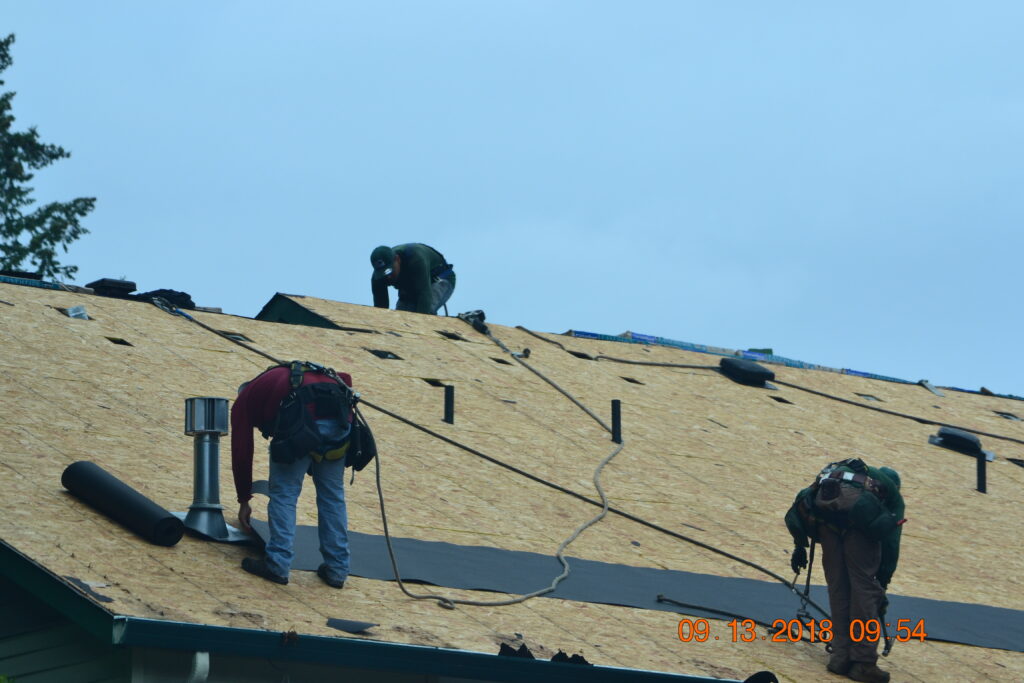
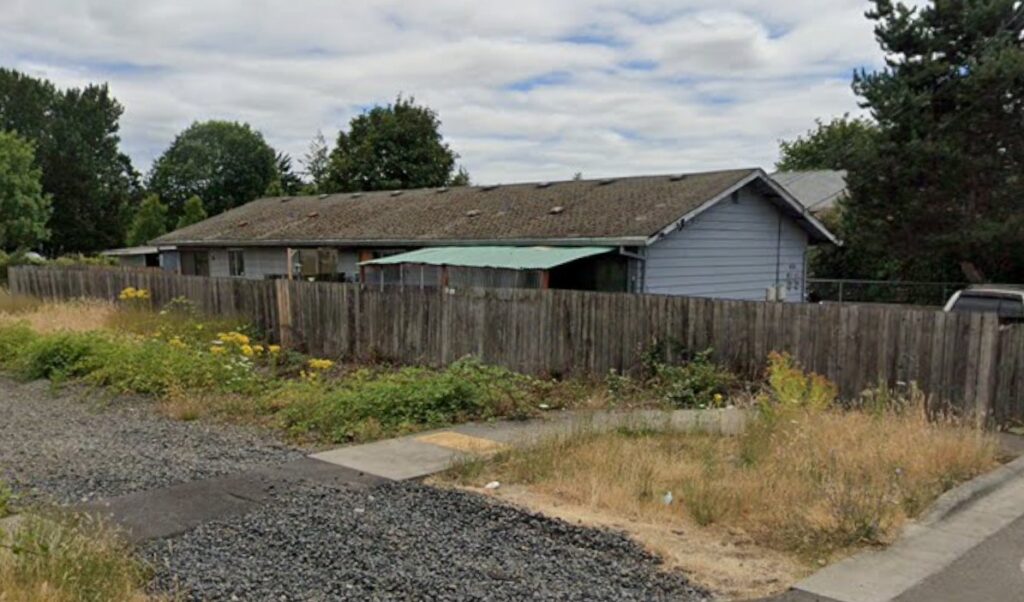
Sharing a Roof Doesn’t Always Mean Sharing the Project 50/50
Not every roofing project involves a single homeowner. At Portland Roofing Co., we understand that some properties have multiple owners sharing the same roof, and we’re happy to work with everyone involved to find a solution that makes sense for the property.
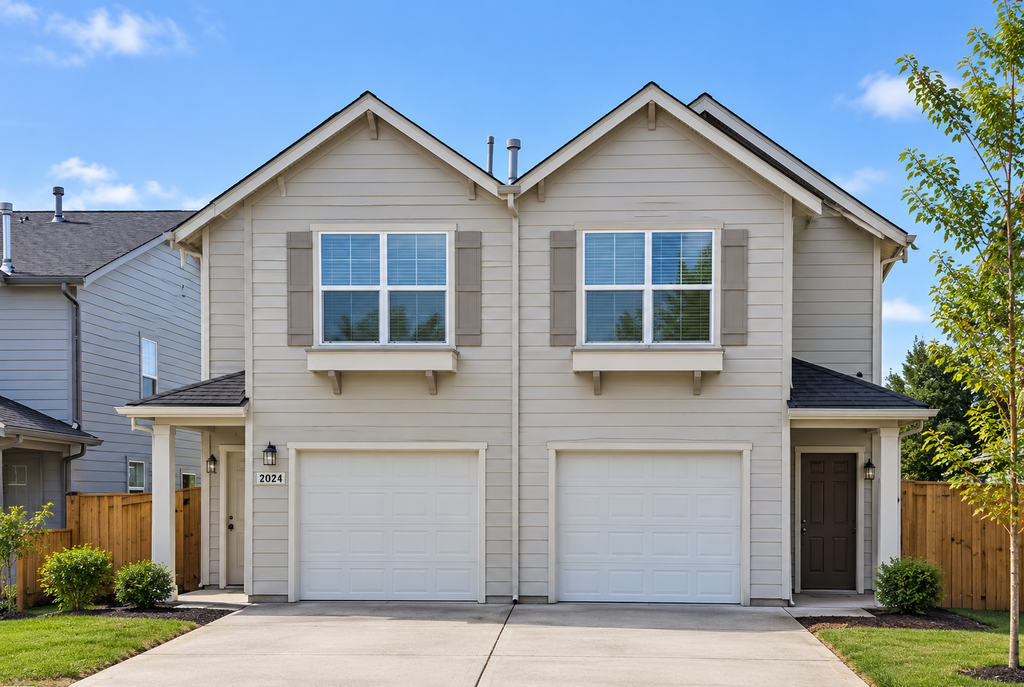
This can include duplexes, townhomes, side-by-side homes, and houses that have been divided into two separate units with different owners.
Every Shared Roof Is Different
When two owners share a roof, it may seem like the work should simply be divided 50/50. However, that isn’t always the case.
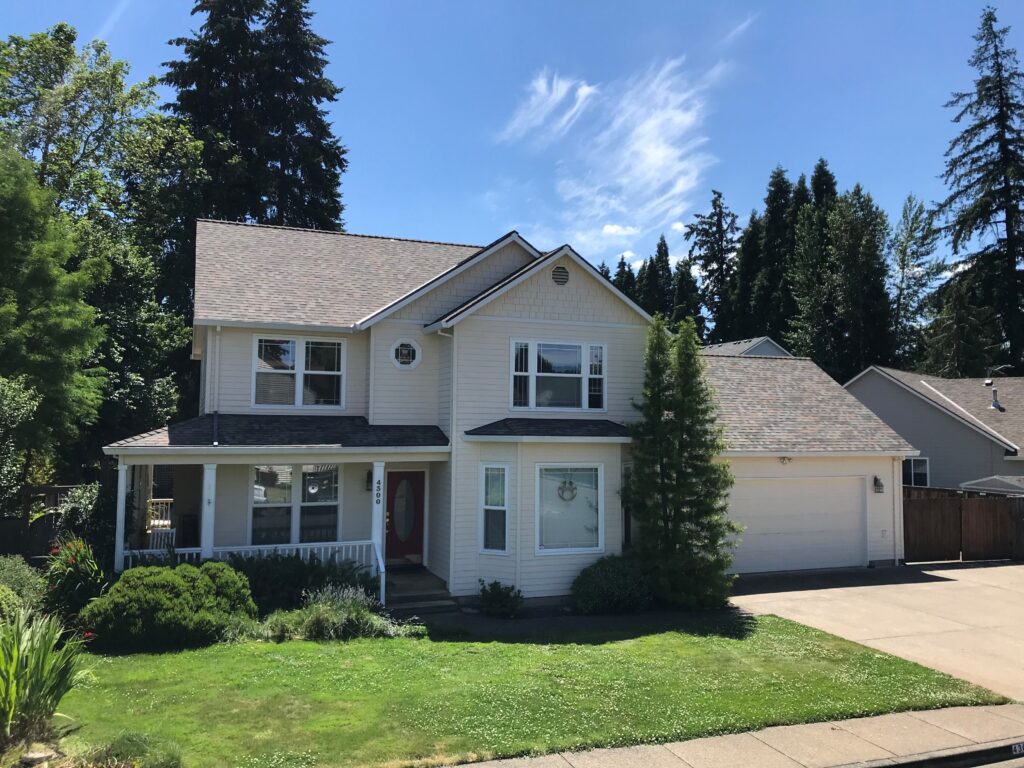
Different home layouts, roof designs, additions, rooflines, and structural features can mean that one portion of a property requires more work than another. Roofing materials, flashing, ventilation, roof access, and underlying roof conditions can also vary between sections.
We’re happy to evaluate the property, discuss the project with the owners, and help determine the best approach based on the actual roofing needs rather than simply splitting everything down the middle.
Working With Multiple Property Owners
We also understand that coordinating a roof repair or roof replacement between multiple owners can feel overwhelming. Our goal is to make the process as straightforward as possible by communicating with the owners involved and helping everyone understand what work is needed.
If you are dealing with a shared roof, you may also want to learn more about roof maintenance and the factors that can affect the cost and scope of a roof replacement.
For additional information about residential roofing standards and building requirements, homeowners can also review resources from the City of Portland and other local authorities.
Whether you need a roof repair, roof replacement, or simply want to understand your options, we’re happy to work with you and the other property owners to figure out a practical solution. Regular maintenance can also help identify roofing problems before they become larger and more expensive issues. Learn more about ways to protect your roof and keep your roofing system in good condition.
Two owners. One shared roof. Different needs. We can help you figure it out.
Contact Portland Roofing Co. today to discuss your shared-roof or split-ownership property.
As summer comes to an end and fall arrives in the Portland area, homeowners know what comes next: rainy Oregon weather.
Fall is a great time to take a closer look at your roof and address small problems before they become expensive repairs. A few simple checks now can help protect your home from leaks, moisture damage, and other roofing problems during the wet months ahead.
Here are five things Portland-area homeowners should check before the heavy rain arrives.
1. Look for Missing or Damaged Shingles
Take a look at your roof from the ground and watch for shingles that are missing, cracked, curled, lifted, or otherwise damaged.
Even a relatively small area of damaged shingles can allow water to get beneath the roofing materials. Strong winds, falling branches, age, and normal weather exposure can all contribute to shingle damage.
If you notice something that doesn’t look right, it’s better to have it inspected before the next major rainstorm.
2. Check for Signs of a Roof Leak
Not every roof leak immediately produces a dripping ceiling. Sometimes the first signs of a problem are much more subtle.
Inside your home, look for:
Water stains on ceilings or walls
Discoloration around ceiling fixtures
Damp or musty odors
Peeling paint
Signs of moisture in the attic
Damp or damaged insulation
If you discover signs of moisture, don’t wait for the next heavy rain to see what happens. Finding the source early can help prevent additional damage.
3. Clean and Inspect Your Gutters
Oregon’s fall leaves can quickly fill gutters and downspouts.
When gutters become clogged, rainwater may not drain properly. Instead, water can overflow against your roof, siding, foundation, or other areas around your home.
Make sure your gutters and downspouts are clear and that water is able to flow away from the house. While you’re checking them, look for loose sections, sagging, cracks, or other damage.
4. Check Your Roof Flashing
Flashing is one of the areas of a roof that deserves special attention.
Flashing helps direct water away from vulnerable areas where different surfaces meet. Common locations include:
Chimneys
Skylights
Roof vents
Valleys
Roof-to-wall connections
Other roof penetrations
Damaged, loose, or deteriorated flashing can create an opportunity for water to enter the home.
5. Don’t Forget About Attic Ventilation
Your roof isn’t just about keeping rain outside. Proper attic ventilation also plays an important role in managing heat and moisture inside the attic.
During Oregon’s cooler and wetter months, excess moisture and condensation can contribute to problems such as damp insulation, mold growth, wood deterioration, and reduced energy efficiency.
If you’re having your roof inspected, it’s worth asking about your attic ventilation as well. A roofing system should be looked at as a whole—not just the shingles on top.
A Little Maintenance Now Can Prevent a Bigger Problem Later
Oregon’s rainy season can be hard on a roof, particularly if there are already underlying issues.
Taking a few minutes to inspect your roof, gutters, flashing, and attic before the weather gets wetter can help identify problems while they’re still manageable.
If you’re unsure about the condition of your roof, Portland Roofing Co., LLC can help you determine whether your home needs a repair, maintenance, or a more comprehensive roofing evaluation.
We’re a local, female-owned roofing company serving the Portland area with in-house crews and no subcontracting.
If you’re wondering, “How much does a roof replacement cost in Portland, Oregon?”, you’re not alone. Roofing costs can vary significantly from one home to another. Because every roof has different features and needs, a professional roofing contractor needs to evaluate the actual roof before providing an accurate estimate.
For example, two homes with similar square footage can have very different roofing costs. However, the size of the home represents only one part of the overall project.
Several factors can affect your total roof replacement cost, including the number of existing roofing layers, roof pitch, decking condition, ventilation, flashing, roof design, materials, repairs, and job-site access.
That’s why a professional roofing estimate should come from an evaluation of your actual roof rather than a quick phone estimate.
Why Can’t a Roofer Give You a Price Over the Phone for a roofing estimate?
It’s understandable that homeowners want a general idea of what a new roof might cost. However, roofing contractors cannot accurately price every project based only on a home’s square footage.
Instead, a contractor needs to evaluate several important factors.
For example, a simple ranch-style home with one layer of roofing may require significantly less work than a home with multiple roofing layers, steep slopes, several valleys, and complicated flashing.
In other words, two roofs that look similar from the street can require very different amounts of labor and materials.
Here are some of the most important factors that can affect your roof replacement cost in Portland, Oregon.
1. How Many Layers of Roofing Are on the Home?
First, your contractor needs to determine how many existing layers cover the roof.
Some homes have only one layer of shingles, while others have multiple layers. As a result, the tear-off process can vary from one project to another.
Removing additional roofing layers requires more labor, time, and disposal. Therefore, the number of existing layers can have a direct impact on your project cost.
A contractor also needs to determine whether the existing roofing materials require special handling or disposal.
2. What Is the Roof Pitch?
Next, your contractor needs to evaluate the roof pitch.
The pitch describes how steeply the roof slopes. Generally, steeper roofs require additional safety precautions and can take more time to work on.
For example, a steep roof may require specialized equipment, additional safety measures, and more labor than a low-slope roof.
Because of these differences, roof pitch plays an important role in determining the labor required for your project.
3. What Condition Is the Roof Decking In?
Underneath your roofing materials, you’ll find the roof decking. This material provides the structural surface that supports your roofing system.
During the roofing process, your contractor may discover damaged, deteriorated, or weakened decking.
Sometimes, homeowners cannot see these problems from the ground. However, your contractor can identify potential issues during the tear-off process.
If the decking needs repairs or replacement, the additional materials and labor can affect the final project cost.
For this reason, a contractor should account for potential decking repairs when explaining your roofing estimate.
4. Does the Home Have Proper Roof Ventilation and will this always be added to the roofing estimate?
In addition to the roof structure itself, your contractor needs to evaluate the ventilation system.
Proper attic and roof ventilation can help manage heat and moisture. Therefore, ventilation plays an important role in the overall roofing system.
Depending on your home’s existing ventilation, your contractor may recommend improvements or replacement of certain ventilation components.
As a result, ventilation requirements can affect both the scope and cost of a roof replacement.
5. How Complicated Is the Roof Design when getting a roofing estimate?
Another important factor is the overall design of your roof.
A simple roof with large, open sections typically requires less work than a complicated roof with multiple sections.
For example, your home may have:
Valleys
Hips
Ridges
Dormers
Additions
Multiple roof sections
Different roof elevations
Roof-to-wall transitions
Because each of these features requires additional planning and installation work, they can affect the total project cost.
In addition, complicated roof designs often require more precise cutting, flashing, and installation.
6. What Flashing Does the Roof Need and will it say in the roofing estimate?
Flashing helps protect areas where water could otherwise enter the roofing system.
For example, flashing may be needed around walls, roof-to-wall transitions, skylights, vents, and chimneys.
Your contractor should evaluate the condition of the existing flashing and determine what the new roofing system requires.
In some cases, existing flashing may remain suitable. In other cases, the contractor may recommend replacement to provide the proper protection for the new roof.
Ultimately, flashing details can affect both the materials and labor required for the project.
7. What Repairs Does the Roof Need?
Before installing a new roof, your contractor should identify visible areas that need repair.
These repairs may involve damaged decking, structural areas, flashing, ventilation components, or other roofing details.
However, some problems may not become visible until the existing roofing materials come off.
That’s why a contractor cannot always determine every repair from a quick visual inspection alone.
A professional contractor should explain any necessary repairs and discuss how they may affect the final cost.
8. How Easy Is It to Access the Property?
Another factor homeowners sometimes overlook is job-site access.
Roofing crews need enough space to safely deliver materials, remove old roofing, set up equipment, and dispose of debris.
For example, fences, landscaping, narrow driveways, detached structures, or limited staging areas can make a project more difficult.
As a result, property access can affect how efficiently a roofing crew can complete the work.
In addition, difficult access may require additional planning or equipment.
9. What Roofing Materials Are You Choosing?
Of course, the roofing materials you select also affect the overall cost.
Different roofing systems have different material costs, installation requirements, warranties, and expected lifespans.
Your estimate may include materials such as:
Asphalt roofing shingles
Underlayment
Ice and water protection
Ridge and hip materials
Ventilation products
Flashing
Roofing accessories
Other installation components
Most importantly, homeowners should compare complete roofing systems rather than comparing shingle prices alone.
A lower-priced material does not necessarily mean a lower overall project cost. Instead, consider the quality of the materials, installation specifications, warranties, and overall value.
Why a Cheap “Ballpark” Price Can Be Misleading
It can be tempting to choose a contractor who gives you the lowest number over the phone.
However, a quick ballpark price may leave out important details.
For example, the initial number may not account for additional roofing layers, decking repairs, flashing, ventilation, difficult access, or other necessary work.
As a result, the final cost could increase once the contractor evaluates the roof in person.
At Portland Roofing Co., we believe homeowners deserve a realistic estimate from the beginning.
Rather than giving you a low number just to get your attention, we prefer to evaluate your roof and explain the work your home actually needs.
That way, you can make a more informed decision before the project begins.
What Should You Expect From a Professional Roofing Estimate?
A professional roofing estimate should clearly explain the work included in your project.
For example, your estimate should provide information about the roofing system, preparation, tear-off, installation, repairs, and other project requirements.
In addition, your contractor should be willing to answer questions about the materials, warranties, installation process, and expected timeline.
You should also understand what the estimate does and does not include.
Most importantly, don’t be afraid to ask questions. A good roofing contractor should want you to understand your project before you sign a contract.
Your Roof Is Unique—Your Estimate Should Be Too
So, how much does a roof replacement cost in Portland, Oregon?
The honest answer depends on your specific home.
Because roofing projects involve much more than square footage, a contractor needs to evaluate the actual roof before providing an accurate price.
The number of existing layers, roof pitch, decking condition, ventilation, roof design, flashing, repairs, accessibility, and materials can all affect the final cost.
For this reason, we don’t believe in giving homeowners a random number over the phone.
At Portland Roofing Co., we evaluate your roof, explain what we find, and provide an estimate based on your home’s specific needs.
In the end, an accurate estimate helps you understand what you’re paying for and reduces the risk of unexpected costs later.
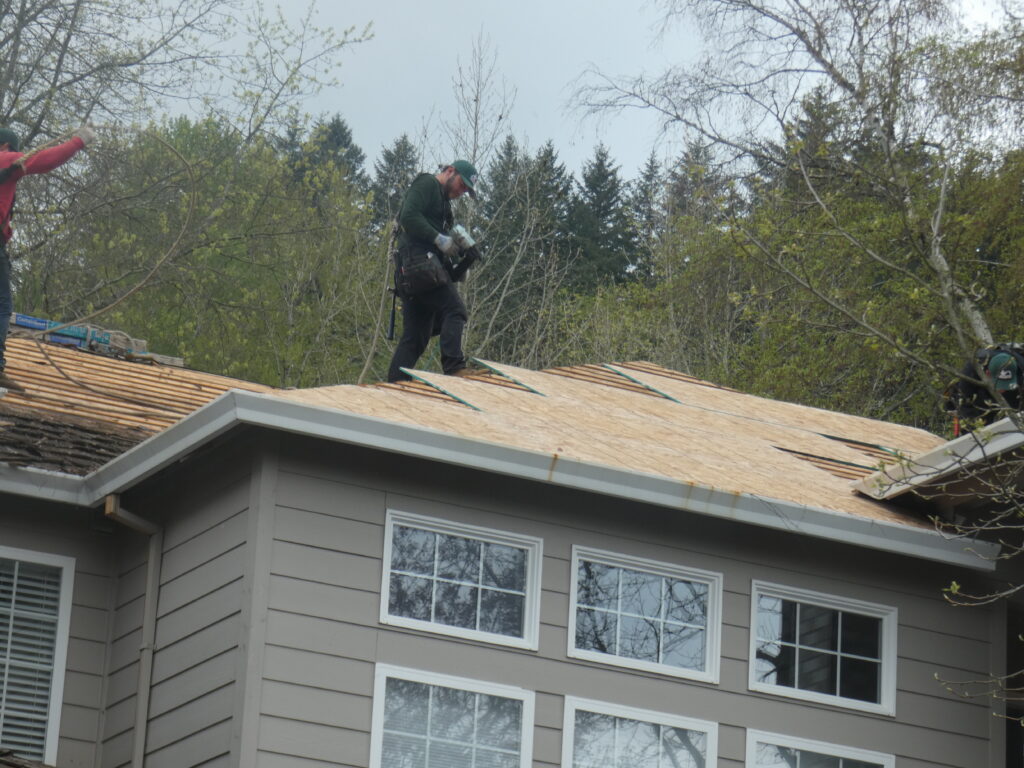
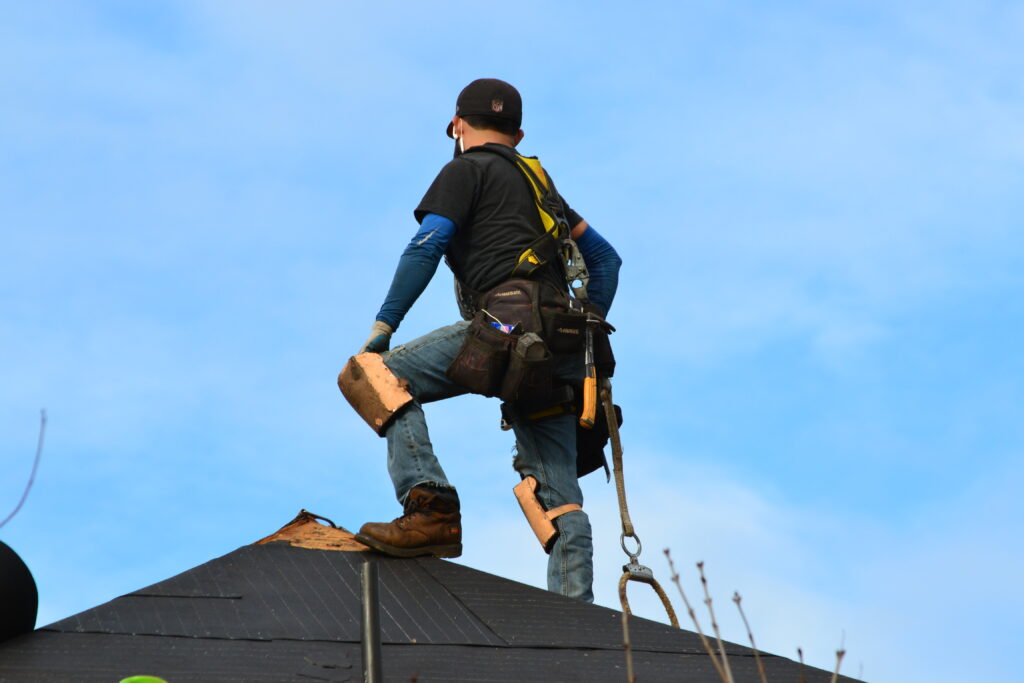
Quality residential roof replacement completed by Portland Roofing Company LLC
Protect Your Portland Metro Home Before Small Problems Become Expensive Repairs
Your roof is one of the most important parts of your home.
However, it is also one of the easiest things to forget about.
After all, most homeowners do not wake up every morning and think, “I wonder how my roof is doing today?” Unlike your kitchen, your floors, or your yard, your roof is usually out of sight and out of mind.
But here is the truth:
Your roof works every single day to protect your home.
It protects your family, your belongings, and everything you have worked hard for. In addition, it protects your home from Oregon’s rain, wind, moss, changing temperatures, and occasional storms.
So, when was the last time you really looked at your roof?
If your answer is:
“I don’t remember.”
“Probably when we bought the house.”
“I guess it’s been a while.”
You are not alone.
Many homeowners do not think about their roof until something goes wrong. Unfortunately, by that time, a small issue may have already turned into a much larger repair.
Help Portland-area homeowners understand their roofs, spot warning signs early, and make confident decisions about their homes.
Because when it comes to protecting your home…
We’ve Got You Covered!
Why Your Roof Needs Regular Attention
Your roof is your home’s first layer of protection.
Every day, it faces the elements. For example, during Oregon’s rainy season, your roof works nonstop to keep water away from your home’s interior. During windy months, it protects against falling branches, debris, and strong gusts.
Over time, however, even the best roofing systems will begin to show signs of wear.
This does not mean your roof is failing.
Instead, it means your roof may need attention.
Just like your vehicle needs oil changes and maintenance, your roof benefits from regular inspections and care.
In fact, catching a roofing issue early can often save homeowners thousands of dollars.
A small repair today may prevent:
Water damage
Mold growth
Damaged insulation
Ceiling stains
Expensive interior repairs
Premature roof replacement
Therefore, a simple roof check is one of the easiest ways to protect your investment.
Oregon Weather Can Be Tough on Your Roof
Living in the Portland Metro area means your roof experiences a wide variety of weather conditions.
From heavy rain and wind to moss growth and temperature changes, Oregon roofs go through a lot. According to the National Weather Service, the Pacific Northwest experiences significant seasonal rainfall, making proper roof maintenance especially important for homeowners.
Because of this, homeowners should pay attention to common roofing problems that develop over time.
Some of the most common issues we see include:
Missing or Damaged Shingles
Shingles are designed to protect your home from moisture. However, when shingles become damaged, cracked, or missing, water can find its way underneath.
As a result, your roof deck and interior areas may become vulnerable.
Moss and Algae Growth
Moss is common in the Pacific Northwest. Because moss thrives in cool, damp environments, homeowners in rainy climates should monitor their roofs regularly. The Oregon State University Extension Service provides additional information about managing moss and moisture-related concerns.
While a little moss may seem harmless, it can create problems over time. In fact, moss holds moisture against your shingles, which can shorten the life of your roofing system.
Additionally, heavy moss growth can lift shingles and allow water underneath.
Aging Roofing Materials
No roof lasts forever.
Eventually, shingles begin losing their protective granules, becoming brittle, curling, or cracking.
Therefore, if your roof is approaching 20 years old, it may be time for a professional evaluation.
Roof Check Time: What Should Homeowners Look For?
The good news is you do not need to climb onto your roof to notice warning signs.
Actually, we recommend that homeowners stay safely on the ground.
Instead, take a walk around your home and look carefully at your roof from different angles.
Here are some things to watch for:
1. Curling or Buckling Shingles
Healthy shingles should lay flat and look consistent.
However, older shingles may begin curling at the edges or buckling in certain areas.
This is often a sign that the shingles are aging and may no longer be providing the protection your home needs.
2. Missing Shingles
Strong winds can sometimes remove shingles completely.
Because missing shingles expose your roof system to moisture, they should be addressed quickly.
3. Dark Spots or Uneven Areas
Dark patches may indicate moss, algae, or areas where shingles are wearing differently.
Although not every dark spot means damage, it is worth having inspected.
4. Sagging Areas
A roof should have clean, straight lines.
If you notice sagging or uneven areas, it is important to have a professional take a closer look.
This could indicate moisture problems or damage underneath the roofing materials.
Inside Your Home: Warning Signs Your Roof May Be Trying to Tell You Something
While your roof is designed to protect your home from the outside, sometimes the first warning signs appear indoors.
In fact, your home may start showing clues before you ever notice a visible roofing problem.
Therefore, it is important to pay attention to changes inside your home as well as outside.
Some common indoor warning signs include:
Water Stains on Ceilings or Walls
One of the most obvious signs of a roofing issue is a water stain.
You may notice:
Brown or yellow discoloration
Peeling paint
Bubbling drywall
Damp spots after rainfall
However, it is important to remember that the location of the stain does not always show where the leak started.
Water can travel along rafters, insulation, and other areas before appearing inside your home.
Because of this, finding the source of a leak often requires professional experience.
Musty Smells or Moisture in the Attic
Your attic plays an important role in your home’s roofing system.
If your attic feels damp, smells musty, or has signs of moisture, your roof may not be properly keeping water out.
Additionally, poor ventilation can contribute to moisture problems. Proper attic ventilation and insulation also play an important role in home efficiency. The U.S. Department of Energy provides homeowner resources on improving energy efficiency.
Over time, excess moisture can lead to:
Damaged insulation
Wood deterioration
Mold concerns
Higher energy costs
For that reason, your attic should be included when evaluating the overall health of your roof.
How Long Does a Roof Last in Oregon?
One of the most common questions homeowners ask is:
“How long should my roof last?”
The answer depends on several factors.
For example:
Roofing material
Installation quality
Weather exposure
Proper ventilation
Maintenance
Surrounding trees
Previous repairs
Generally, asphalt shingle roofs can last approximately 20 to 30 years when properly installed and maintained. According to the National Roofing Contractors Association (NRCA), regular roof inspections and maintenance can help identify issues before they become larger problems.
However, Oregon’s wet climate can create additional challenges.
Because of our frequent rain and moisture, regular inspections become even more important.
If your roof is getting older, it does not automatically mean you need a replacement.
Instead, a professional evaluation can help determine whether your roof needs:
Minor repairs
Maintenance
Selective replacement
A complete roof replacement
Roof Repair vs. Roof Replacement: How Do You Know Which One You Need?
This is one of the biggest concerns homeowners have.
Many people worry that calling a roofing company automatically means they will be told they need a brand-new roof.
Fortunately, that is not how every roofing company operates.
At Portland Roofing Company LLC, we believe in honest recommendations.
If your roof still has useful life remaining, we will tell you.
If a repair can safely extend the life of your roof, we will explain that option.
However, if your roof has reached the end of its lifespan, we will walk you through the replacement process and explain why it may be the best long-term choice.
Ultimately, the right solution depends on your home’s specific needs.
Signs You May Need a Roof Replacement
Although every roof is different, there are several signs that replacement may be the better option.
These include:
Your Roof Is Near the End of Its Expected Lifespan
If your roof is 20+ years old, it is a good idea to have it inspected.
While some roofs last longer, age is an important factor when planning ahead.
Frequent Repairs Are Adding Up
Occasional repairs are normal.
However, if you are repeatedly fixing leaks, replacing shingles, or addressing damage, replacement may become the more cost-effective option.
Extensive Shingle Damage
If large sections of your roof have:
Missing shingles
Curling shingles
Cracking
Granule loss
A replacement may provide better protection and peace of mind.
Previous Roofing Problems Continue
Sometimes, ongoing problems are a sign that the roofing system needs a larger solution.
Therefore, it is important to address the root cause instead of repeatedly treating the symptoms.
Why Choose Portland Roofing Company LLC?
Choosing the right roofing contractor is an important decision.
After all, your roof protects one of your biggest investments—your home.
At Portland Roofing Company LLC, we focus on providing quality workmanship, honest communication, and a smooth customer experience from start to finish.
We are proud to offer:
✅ Free estimates for qualified homeowners* ✅ Experienced in-house roofing crews ✅ Quality roofing materials ✅ Residential roof repairs and replacements ✅ Financing options available ✅ Warranty options available depending on your roofing package** ✅ Service throughout the Portland Metro area within approximately 50 miles or up to one hour from our office
Most importantly, we believe homeowners deserve straightforward answers.
You should know:
What condition your roof is in
What options are available
Why repairs or replacement are recommended
What investment you are making in your home
That is why we take the time to explain the process.
Quality Roofing Starts With the Right Process
A successful roofing project is about more than installing shingles.
Instead, it starts with careful planning.
Our process includes:
Step 1: Roof Evaluation
First, we inspect your roofing system and identify any concerns.
Step 2: Honest Recommendations
Next, we explain what we find and discuss your options.
Step 3: Professional Installation
Finally, our experienced crews complete your project with attention to detail and quality workmanship.
Because we handle our own installations with in-house crews, we are able to maintain better consistency and communication throughout your project.
Don’t Wait Until You Have a Leak: Protect Your Home Before Problems Grow
Many homeowners make the same mistake:
They wait until they see water inside their home before they think about their roof.
However, by the time a leak becomes visible, the problem may have already been developing for weeks, months, or even longer.
In fact, water does not always enter directly above the area where you notice damage.
Instead, it can travel through roofing materials, insulation, and framing before finally appearing inside your home.
That means a small roofing issue can sometimes become a much larger repair.
Fortunately, there is a simple way to stay ahead:
Schedule a professional roof inspection before problems become emergencies.
The Benefits of Regular Roof Inspections
A roof inspection is not just about finding problems.
It is also about understanding the condition of your home and planning ahead.
For example, a professional inspection can help you:
✅ Identify small repairs before they become major issues ✅ Understand your roof’s remaining lifespan ✅ Budget for future replacement if needed ✅ Protect your home’s value ✅ Gain peace of mind during Oregon’s rainy season
Additionally, regular inspections are especially helpful after:
Major windstorms
Heavy rain events
Falling branches
Severe weather
Buying a new home
Because your roof is constantly exposed to the elements, knowing its condition is always a smart investment.
Common Roofing Questions Homeowners Ask
How often should I have my roof inspected?
Most homeowners benefit from having their roof inspected periodically, especially as the roof gets older.
Additionally, inspections are recommended after major storms or if you notice signs of damage.
How do I know if I need a roof repair or a full replacement?
The answer depends on several factors, including:
The age of your roof
The amount of damage
Previous repairs
The condition of the shingles and underlying materials
Fortunately, a professional inspection can help determine the best solution.
At Portland Roofing Company LLC, we focus on honest recommendations based on your roof’s actual condition.
Can moss damage my roof?
Yes.
Moss is especially common in the Pacific Northwest.
While it may seem harmless, moss holds moisture against shingles. Over time, this can contribute to premature aging, deterioration, and potential damage.
Therefore, addressing moss early can help extend the life of your roofing system.
What roofing services does Portland Roofing Company LLC provide?
We provide residential roofing services, including:
Roof repairs
Roof replacements
Roofing inspections
Shingle roofing systems
Roofing upgrades
Related exterior protection services
Whether you have a small concern or you are planning a complete roof replacement, our team is here to help.
Do you offer free roofing estimates?
Yes.
Portland Roofing Company LLC provides free estimates for qualified homeowners who are not currently in the process of selling their home.*
Our goal is to make the process simple, clear, and stress-free.
What areas does Portland Roofing Company LLC serve?
Your roof is one of the most important parts of your home, yet many homeowners aren’t sure what to look for when it comes to roof maintenance, repairs, or replacement. At Portland Roofing Co., LLC, we hear many of the same questions every day. To help homeowners make informed decisions, we’ve compiled the most common roofing questions and answers below.
Some of the most common signs include missing shingles, curling or cracked shingles, granules in your gutters, roof leaks, water stains on ceilings, and sagging roof areas. If your roof is more than 20 years old, it may be time to have it professionally evaluated. https://portlandroofingco.com/contact/
3. How Much Does a New Roof Cost?
Roof replacement costs vary depending on the size of the roof, the materials selected, the complexity of the project, and any repairs needed to the roof deck. The best way to determine the cost is to schedule a professional roof inspection and estimate.
Most residential roof replacements can be completed in one to three days. Larger homes, complex roof designs, weather delays, and structural repairs may extend the timeline.
6. Will Homeowners Insurance Cover a New Roof?
Insurance may cover roof damage caused by sudden events such as windstorms, hail, falling trees, or other covered perils. However, insurance generally does not cover damage resulting from age, wear and tear, or lack of maintenance.
7. What Roofing Material Is Best?
The best roofing material depends on your budget, aesthetic preferences, and long-term goals. Architectural asphalt shingles remain the most popular choice due to their affordability, durability, and appearance. Metal roofing is another excellent option for homeowners seeking longevity and energy efficiency.
8. Should I Replace My Gutters When I Replace My Roof?
Not always, but it is often a good time to evaluate the condition of your gutters. If your gutters are leaking, rusting, sagging, or nearing the end of their lifespan, replacing them during a roof replacement can improve your home’s overall water management system.
9. What Causes Roof Leaks?
Roof leaks can occur for many reasons, including damaged shingles, failed flashing, cracked vent boots, clogged gutters, skylight issues, or improper installation. Water often travels before becoming visible inside the home, making professional diagnosis important.
10. Can a New Roof Be Installed Over the Existing Roof?
In some situations, building codes allow a second layer of shingles. However, a complete tear-off is generally recommended because it allows the roof deck to be inspected for hidden damage and helps ensure the longest-lasting installation.
11. What Is Roof Flashing?
Flashing is a metal material installed around roof penetrations and transitions such as chimneys, skylights, valleys, walls, and vents. Its purpose is to direct water away from vulnerable areas and prevent leaks.
12. Why Is Roof Ventilation Important?
Proper roof ventilation helps regulate attic temperatures, reduce moisture buildup, improve energy efficiency, and extend the life of roofing materials. Poor ventilation can contribute to mold growth, wood rot, and premature roof failure.
13. Why Are There Granules in My Gutters?
Asphalt shingles are coated with protective granules. Some granule loss is normal over time, especially on newer roofs. However, excessive granule loss may indicate that the shingles are aging and may need replacement.
14. Can a Roof Leak Without Visible Damage?
Yes. Many roof leaks originate from flashing failures, cracked vent boots, hidden storm damage, or installation issues that are not easily visible from the ground.
15. How Often Should a Roof Be Inspected?
Most roofing professionals recommend having your roof inspected every one to two years and after major windstorms or severe weather events. Regular inspections can identify minor problems before they become costly repairs.
16. What Time of Year Is Best for Roof Replacement?
Roof replacement can be performed year-round when weather conditions allow. Spring, summer, and fall often provide ideal working conditions, but experienced roofing contractors can install roofs successfully during winter months as well.
17. How Can I Make My Roof Last Longer?
Regular maintenance is key. Keep gutters clean, remove debris from the roof, trim overhanging branches, maintain proper ventilation, and address repairs promptly when issues arise.
18. Is Moss on My Roof a Problem?
Yes. Moss traps moisture against roofing materials, which can accelerate deterioration and shorten the lifespan of your roof. Professional moss treatment and preventative maintenance can help protect your investment.
19. What Should I Look for When Hiring a Roofing Contractor?
Look for a roofing contractor who is licensed, insured, experienced, and highly reviewed. Ask about warranties, references, and the materials being used. A reputable contractor should provide a detailed written estimate and answer your questions thoroughly.
20. How Do I Know If My Roof Has Storm Damage?
Storm damage can include missing shingles, lifted shingles, dents in vents or flashing, granule loss, water intrusion, and fallen tree debris. Many forms of storm damage are difficult to spot from the ground, making a professional inspection valuable after severe weather.
Schedule a Professional Roof Inspection
Whether you’re dealing with a leak, storm damage, or simply wondering about the condition of your roof, a professional inspection can provide peace of mind. At Portland Roofing Co., LLC, we offer honest assessments, quality workmanship, and free estimates for homeowners throughout the Portland metro area.
Contact us today to learn more about your roofing options and keep your home protected for years to come.
Cookie Consent
We use cookies to improve your experience on our site. By using our site, you consent to cookies.
Used to determine whether a user is included in an A / B or Multivariate test.
18 months
_ga
ID used to identify users
2 years
_gali
Used by Google Analytics to determine which links on a page are being clicked
30 seconds
_ga_
ID used to identify users
2 years
_gid
ID used to identify users for 24 hours after last activity
24 hours
_gat
Used to monitor number of Google Analytics server requests when using Google Tag Manager
1 minute
_gac_
Contains information related to marketing campaigns of the user. These are shared with Google AdWords / Google Ads when the Google Ads and Google Analytics accounts are linked together.
90 days
__utma
ID used to identify users and sessions
2 years after last activity
__utmt
Used to monitor number of Google Analytics server requests
10 minutes
__utmb
Used to distinguish new sessions and visits. This cookie is set when the GA.js javascript library is loaded and there is no existing __utmb cookie. The cookie is updated every time data is sent to the Google Analytics server.
30 minutes after last activity
__utmc
Used only with old Urchin versions of Google Analytics and not with GA.js. Was used to distinguish between new sessions and visits at the end of a session.
End of session (browser)
__utmz
Contains information about the traffic source or campaign that directed user to the website. The cookie is set when the GA.js javascript is loaded and updated when data is sent to the Google Anaytics server
6 months after last activity
__utmv
Contains custom information set by the web developer via the _setCustomVar method in Google Analytics. This cookie is updated every time new data is sent to the Google Analytics server.
2 years after last activity
Marketing cookies are used to follow visitors to websites. The intention is to show ads that are relevant and engaging to the individual user.
Google Maps is a web mapping service providing satellite imagery, real-time navigation, and location-based information.