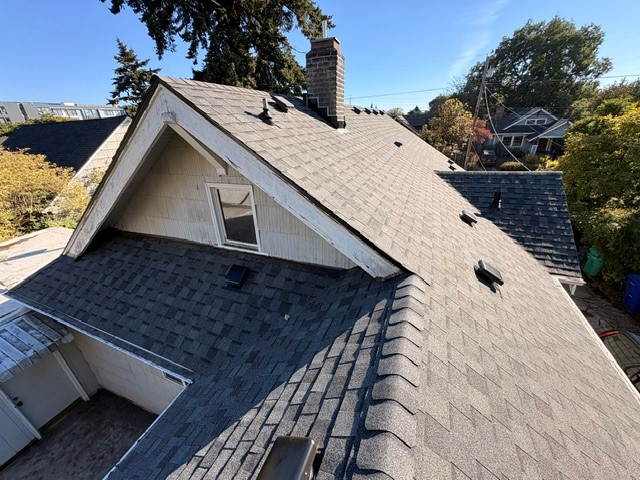
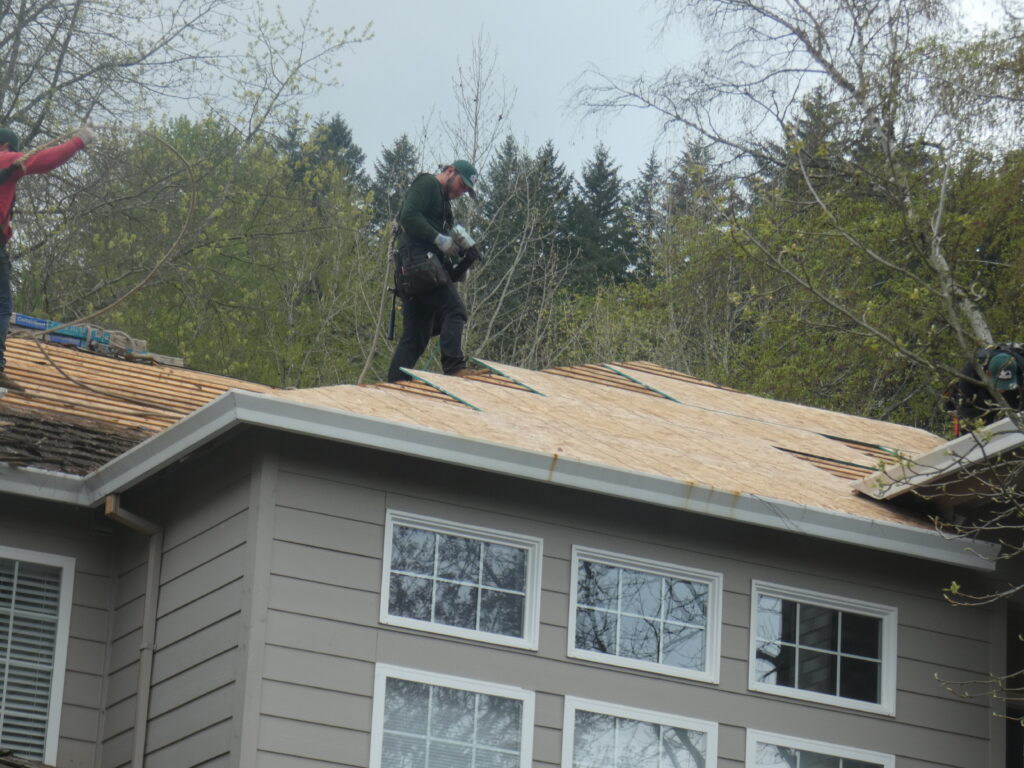
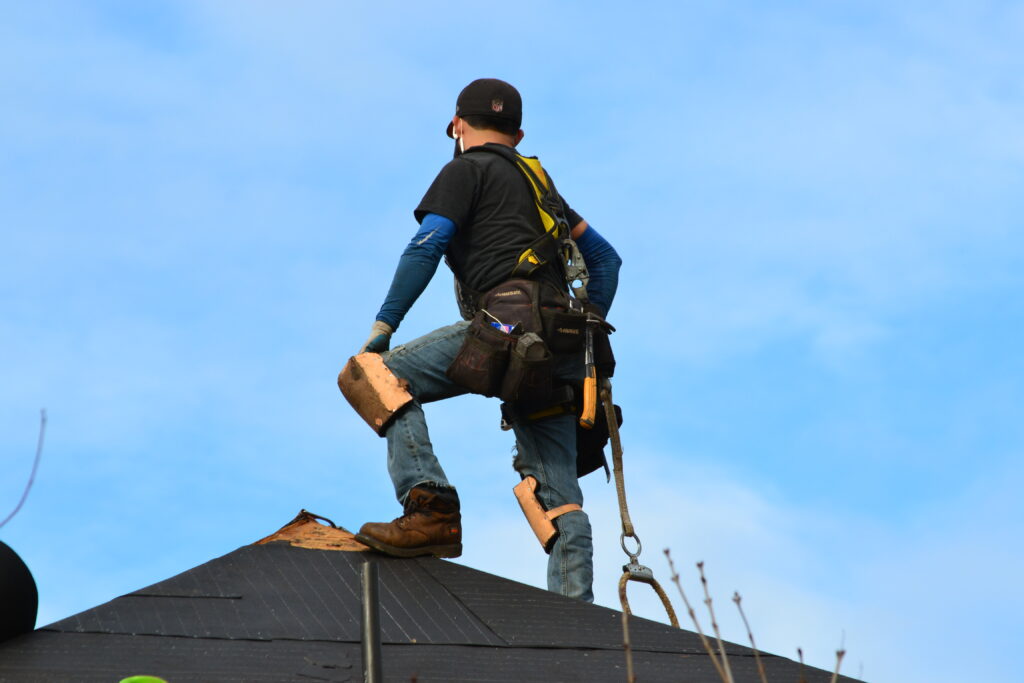
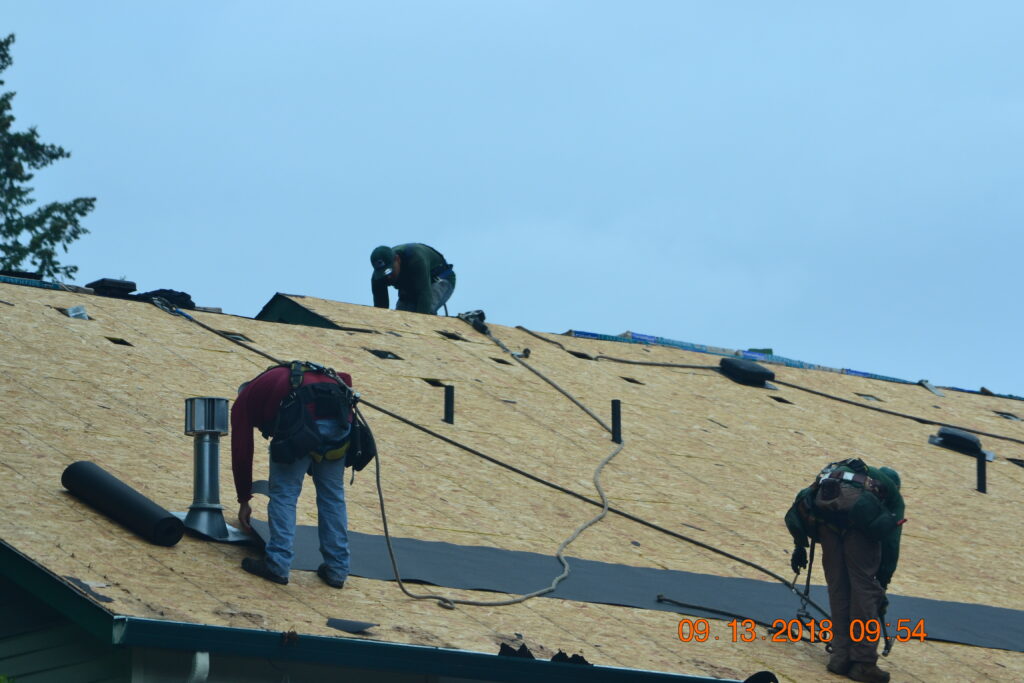
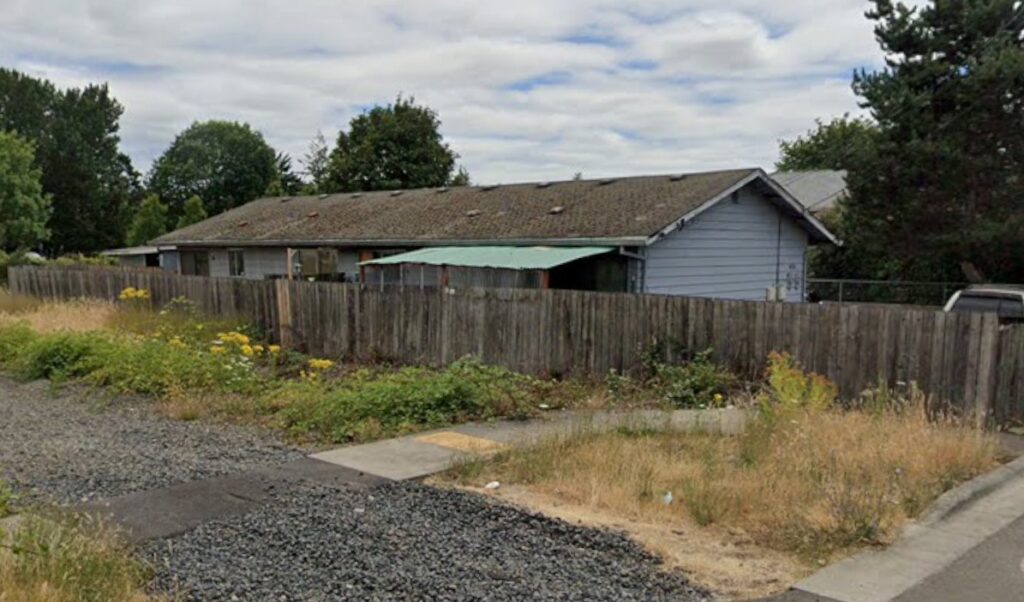
Roof repairs in King Neighborhood NE pdx water diverters and pipe jack replacement
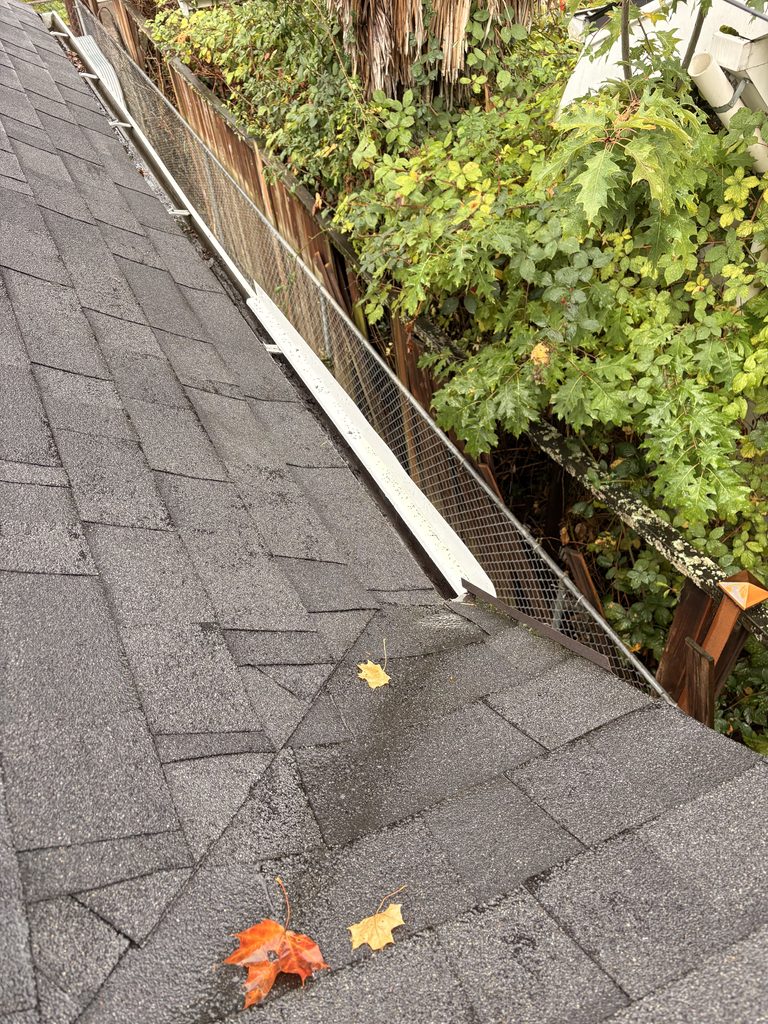
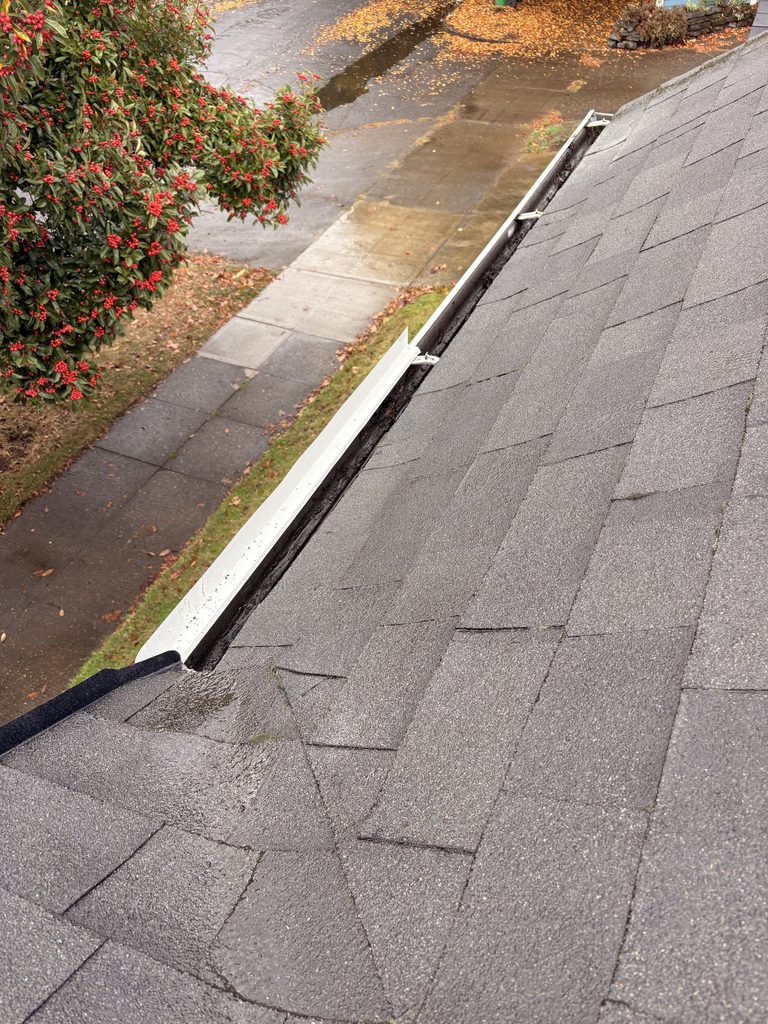
Why installing a water diverter on the roof can be a great solution to roof drainage issues.
Installing water diverters on your roof can be a smart, relatively inexpensive way to help prevent costly water damage. These small metal pieces redirect rainwater away from vulnerable areas, such as chimneys, skylights, walls, and other roof obstructions where water can collect or flow heavily. By guiding water around these areas, diverters can help reduce the risk of leaks, premature shingle deterioration, and moisture damage to siding or other building materials. In the Pacific Northwest, where heavy, persistent rain is common, a properly installed water divert er can provide added protection and potentially save you money on future repairs.
Homeowners may choose to install roof water diverters for several reasons beyond simply preventing leaks. A divert er can help redirect heavy rainfall away from doorways, walkways, patios, and landscaping, reducing splashing, pooling, and erosion. It can also help prevent water from repeatedly pouring onto one section of a lower roof, overloading a specific area or contributing to excessive moss and debris buildup. Around chimneys, skylights, and roof valleys, diverters can help guide water around obstacles where leaves and debris might otherwise collect. Ultimately, homeowners see diverters as a relatively small investment that can improve drainage, protect vulnerable areas of the home, and reduce the likelihood of avoidable maintenance and repair costs. However, diverters need to be properly designed and installed for the specific roof layout, since a poorly placed one can actually trap debris or redirect water into a problem area.
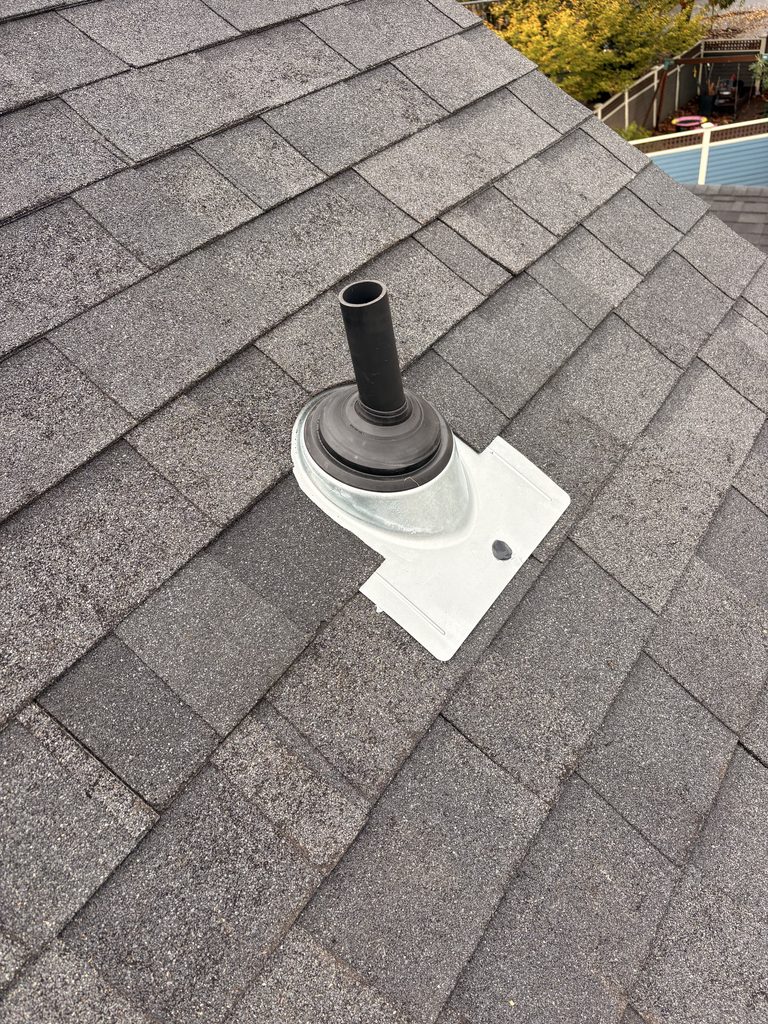
One of the most common roof repairs involves replacing a worn or deteriorated pipe jack boot, the flashing that seals around plumbing vent pipes where they pass through your roof. Over time, the rubber seal around the pipe can crack, split, or deteriorate from years of exposure to sunlight, rain, and changing temperatures, allowing water to seep into your home. The good news is that, in many cases, you may not need to replace the entire roof to fix the problem. If the surrounding shingles and flashing are in good condition, replacing the pipe jack boot or using an appropriate compatible repair solution may be all that’s needed to restore the seal and help prevent further water damage. Catching this type of problem early can save homeowners money and help avoid more extensive repairs down the road.
if you would like our help with this work you can always book a free appointment at www.portlandroofingco.com or call to book at 503-490-3994
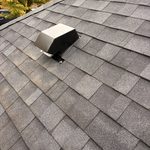
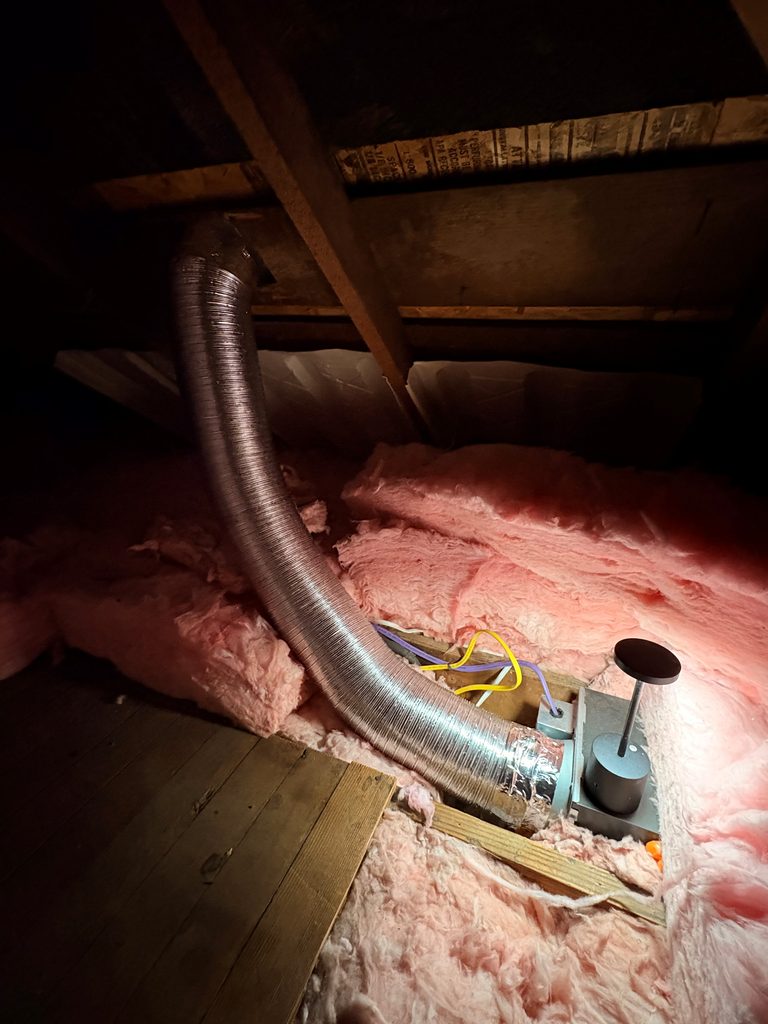
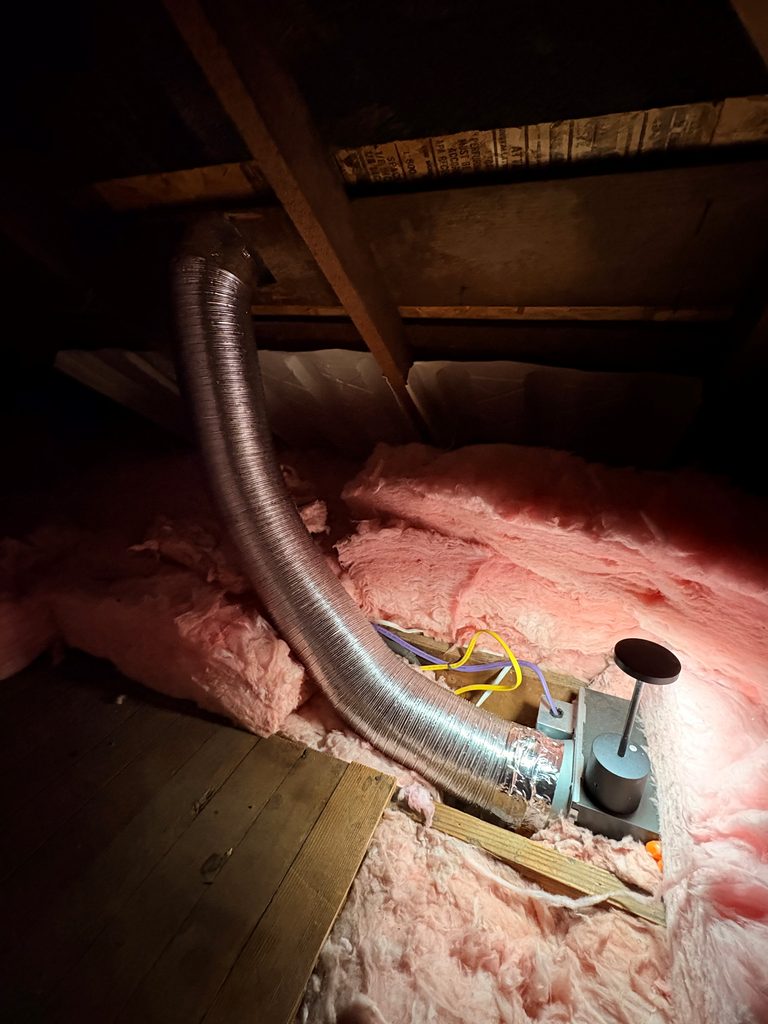
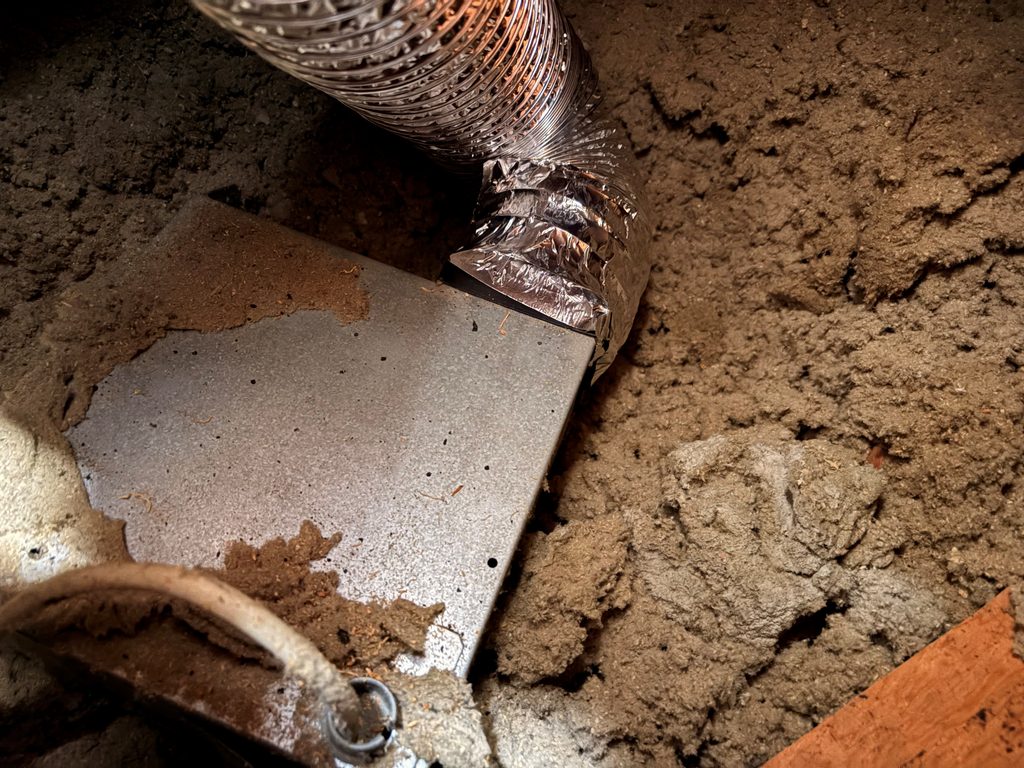
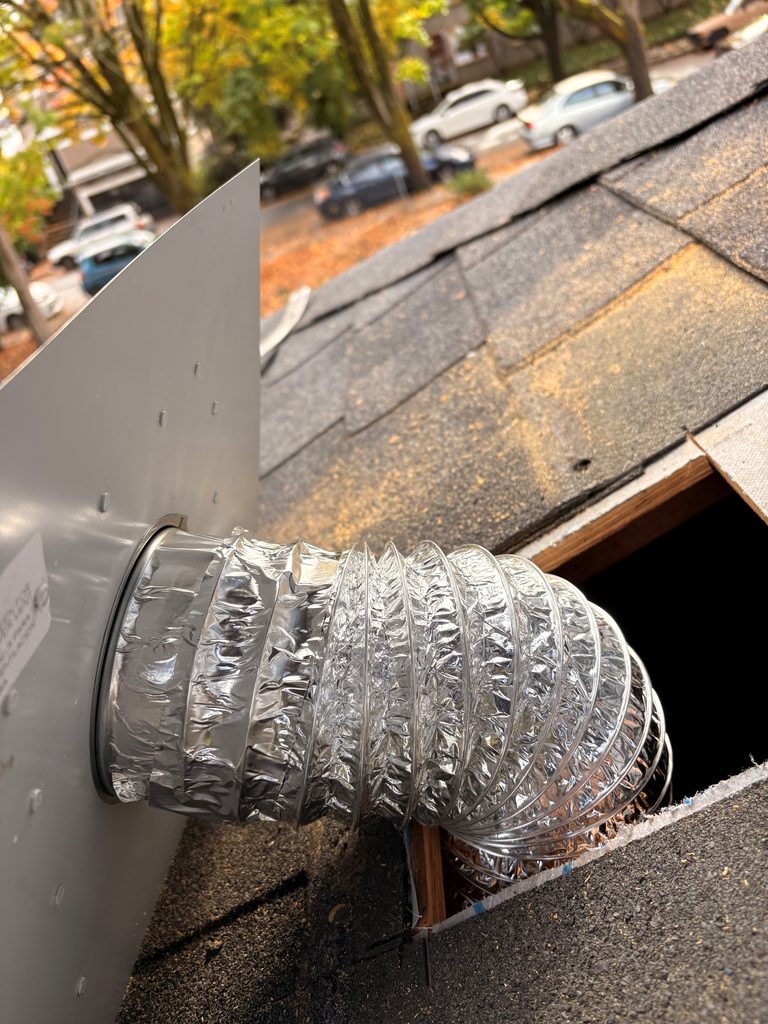
This job we did this week was for a bathroom and kitchen vent. we were hired to fully connect the ducting line and patch the roof to connect to a flapper vent, or also known as direct venting, or designated venting.
Why is it important to properly vent the bathroom, laundry, microwave, and kitchen fans to vent to the outside of the home on designated flapper vents.
It’s important to make sure all ducting lines for bathroom, laundry, and kitchen vents are fully connected and properly exhausting to the exterior of the home. Disconnected ducts can release warm, moist air into the attic, leading to condensation, mold growth, wood deterioration, and potential damage to the roof structure. Properly connected ducting helps remove moisture, odors, and airborne contaminants from the home while helping protect your attic and roofing system from preventable damage.
Make sure the bathroom fan duct is securely connected from the fan outlet all the way to the top of the new roof vent to prevent warm, moist air from escaping into the attic. The ducting should also be properly supported and kept as straight and taut as practical, without excessive slack or low spots where moisture can collect. Poorly connected or sagging ductwork can allow condensation to build up, potentially causing water to drip back into the attic or through the ceiling and contribute to mold or moisture damage. Proper connections and installation help ensure moisture is safely exhausted outside the home, protecting your attic, roof structure, and indoor air quality.
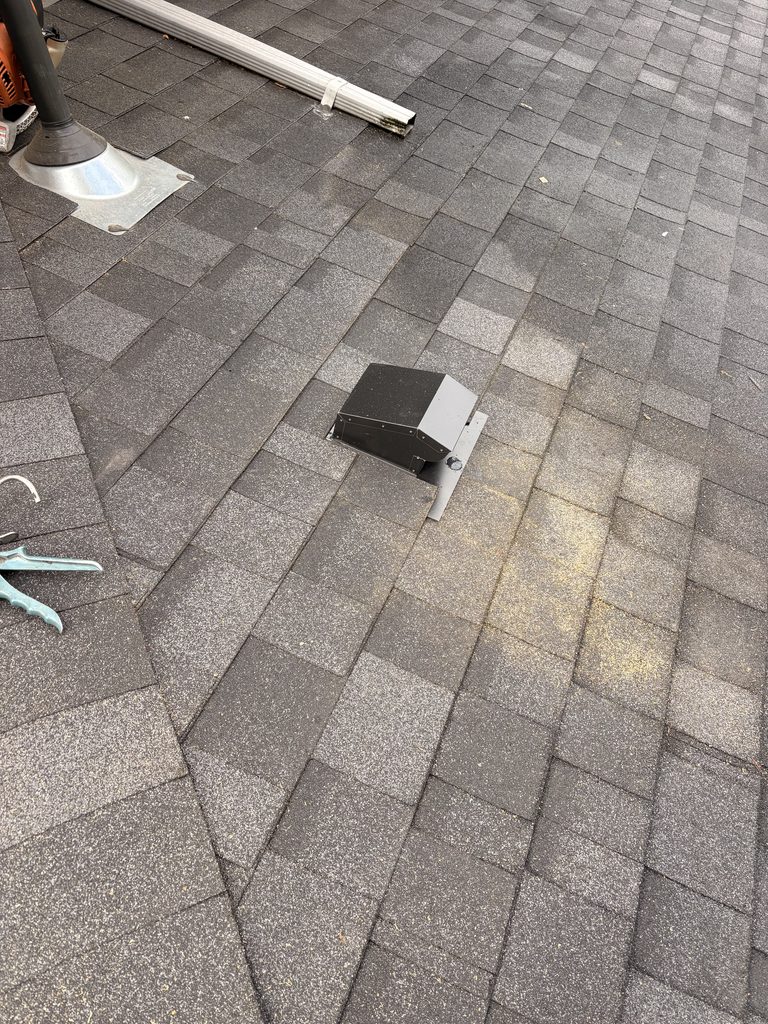
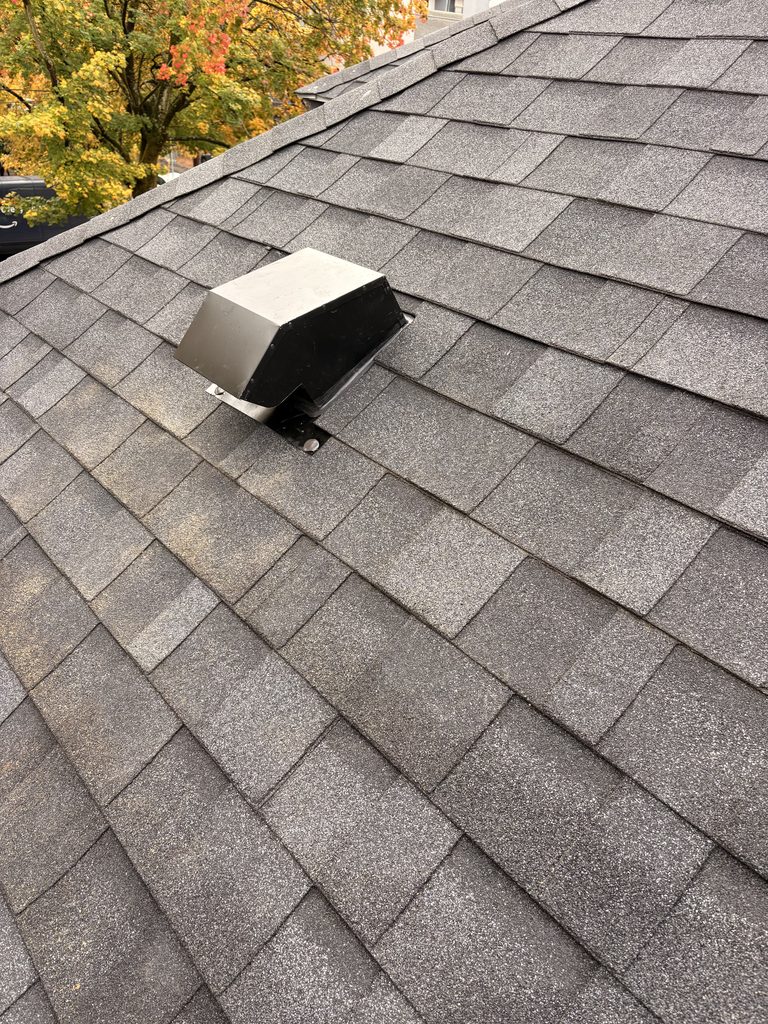
The new direct-connect bath and kitchen roof vents may look different from the older square roof vents you are used to seeing. Traditional square vents often allow ducting to simply release air into the general area beneath the vent, whereas these newer vents are designed to connect directly to the ducting line. The duct should run all the way to the vent connection so that moist air is exhausted directly outside rather than escaping into the attic. Because of this different design, the new vents may have a different appearance on your roof, but they provide a more direct path for exhausting moisture when properly installed.
These new direct-connect roof vents typically have a small hood-like appearance, making them look different from traditional square roof vents. When you turn on your bathroom or kitchen exhaust fan, a small flapper inside the vent opens to allow moist air to escape directly outdoors. When the fan is turned off, the flapper closes to help prevent outside air, pests, and debris from entering. So, if you happen to notice one of these little hood-shaped vents on your roof in the future, now you know what it is, how it works, and why it’s there!
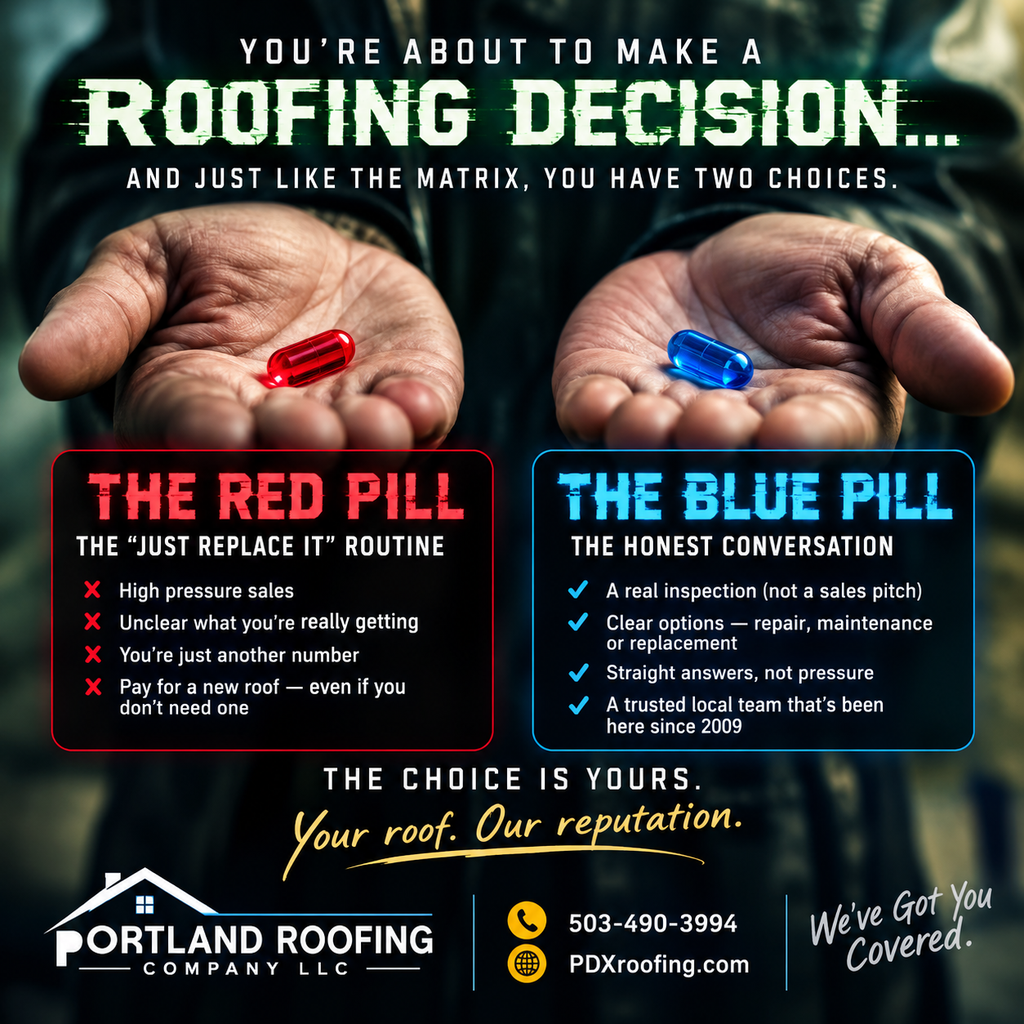
The Roofing Matrix: Red Pill or Blue Pill? How to Choose Between Roof Repair and Roof Replacement in Portland, Oregon
You’re about to make a roofing decision. Do you know what you’re really signing up for? The last thing you want is to spend thousands on a new roof, only to discover that a repair would have addressed the problem.”
Imagine standing at a crossroads. On one side, you have pressure to replace your roof immediately. On the other, you have the information you need to make a confident decision.
Welcome to the Roofing Matrix.
Okay, we might be having a little fun with the movie concept, but the decision facing homeowners is very real. A new roof can be a significant investment, and knowing whether you need roof repair, roof maintenance, or a complete roof replacement can make a major difference.
If you’re a homeowner in Portland, Oregon, you already know what our Pacific Northwest weather can do to a roof. Months of rain, damp conditions, wind, falling debris, and roof moss can all create maintenance challenges.
But here’s the important question: Does every roofing problem mean you need a new roof?
Absolutely not.
At Portland Roofing Company LLC, we believe homeowners deserve honest information, practical options, and quality workmanship. Since 2009, our goal has been to help Portland-area homeowners understand their roofing needs without unnecessary pressure.
So let’s take the red pill, the blue pill, and a closer look at what really matters when making your next roofing decision.
The Red Pill: Replacing Your Roof Without Asking the Right Questions
In our Roofing Matrix spoof, the red pill represents making a roofing decision without fully understanding your options.
You notice a leak. You see moss growing across your shingles. Perhaps a roofing contractor looks at your roof and recommends a complete replacement.
Suddenly, you’re facing a potentially expensive project.
But before agreeing to the work, shouldn’t you understand why replacement is being recommended?
A roof replacement may absolutely be the right decision. However, a homeowner should understand the condition of the existing roof, the problems that need to be addressed, and whether a repair is a reasonable alternative.
Here are a few questions worth asking before signing a roofing contract:
What specific problems did you find on my roof?
Are the shingles deteriorating throughout the roof or only in certain areas?
Is a repair a reasonable option?
How much useful life might the existing roof have left?
What are the advantages and disadvantages of repairing versus replacing it?
What exactly is included in the estimate?
A professional roofing contractor should be able to explain the reasoning behind a recommendation in language you can understand.
The goal isn’t to avoid replacing your roof at all costs. It’s to avoid making a major financial decision without understanding why you’re making it.
The Blue Pill: Knowledge, Honest Advice, and Better Roofing Decisions
The blue pill represents taking the time to understand your roof before deciding what to do.
Instead of making a decision based on fear, urgency, or a single recommendation, you gather information about the condition of your roof and the options available.
For some homeowners, that may mean a targeted roof repair. For others, it could mean professional roof maintenance or a complete roof replacement.
The right solution depends on several factors, including the age of the roof, the condition of the shingles, the extent of any damage, previous repairs, and the likelihood of additional problems developing.
At Portland Roofing Company, we believe the conversation should start with the roof itself.
A roofing estimate should help you understand what needs attention, what work is recommended, and what your options are. You should have an opportunity to ask questions and make an informed decision.
No mysterious roofing language. No guessing what you’re paying for. Just a clear explanation of the work being proposed.
The choice is yours. Make it an informed one.
Roof Repair or Roof Replacement: How Do You Know Which You Need?
One of the most common questions homeowners ask is whether they should repair their existing roof or replace it entirely.
There isn’t one answer that applies to every home. Two roofs of the same age can be in very different conditions depending on installation quality, ventilation, maintenance, weather exposure, and the materials used.
Here’s what to consider.
When Roof Repair May Make Sense
Roof repair may be a reasonable option when the problem is limited and the surrounding roofing materials remain in serviceable condition.
Examples can include:
A localized leak caused by a specific roofing problem.
Damaged or missing shingles in a limited area.
Certain flashing problems around roof penetrations or transitions.
Localized damage that can be corrected without compromising the surrounding roof.
A roof that is otherwise performing well but needs a specific repair.
The important distinction is between an isolated problem and a symptom of broader roof deterioration.
For example, a leak near a chimney may involve flashing that needs attention. But water entering the home doesn’t automatically reveal where the problem started. A proper inspection can help identify the likely source and determine what work is appropriate.
Repairs also have limitations. Older shingles can become brittle, and disturbing surrounding materials may cause additional damage. If the roof is nearing the end of its useful life, a repair may be less practical than replacement.
A qualified roofing contractor can help you weigh those considerations before work begins.
When Roof Replacement May Be the Better Investment
Roof replacement becomes more compelling when the roofing system has widespread deterioration, recurring problems, or damage that cannot be addressed reliably through isolated repairs.
Signs that warrant a closer look include:
Widespread shingle deterioration or significant granule loss.
Numerous damaged, curling, or missing shingles.
Repeated leaks in different areas.
Deteriorating roofing materials across large sections of the roof.
A roof that has reached the later stages of its expected service life.
Repair needs that continue to accumulate across the roof.
Age is an important consideration, but it should not be the only deciding factor. The actual condition of the roof matters.
Likewise, a single leak doesn’t necessarily mean the entire roof has failed.
A good replacement recommendation should explain the condition of the existing roofing system and why replacement is preferable to continued repairs.
When comparing estimates, make sure you’re comparing similar scopes of work, materials, and project details—not just the bottom-line price.
The Portland Factor: How Oregon Weather Affects Your Roof
Roofing in Portland comes with challenges that homeowners should understand.
Our damp climate makes regular roof maintenance particularly important. Moisture, shade, debris, and organic growth can all affect how a roof performs over time.
Roof Moss and Moisture
Moss is a familiar sight on many Portland-area roofs. It tends to thrive in damp, shaded conditions, particularly where leaves and other debris accumulate.
But here’s where homeowners can get caught in the Roofing Matrix: Moss does not automatically mean your roof needs to be replaced.
Depending on the roof’s condition, professional moss treatment and appropriate maintenance may be sufficient.
However, established moss can lift shingles, retain moisture, and contribute to deterioration. If shingles are already damaged or the roof is approaching the end of its useful life, simply treating the moss won’t solve the underlying problem.
The right approach is to evaluate both the moss and the condition of the roofing materials beneath it.
Roof cleaning and moss removal should also be performed using methods appropriate for the specific roofing material. Aggressive cleaning can damage shingles, so avoid assuming that more pressure means better results.
Rain, Leaks, and Roof Drainage
Portland’s rainy season puts your roof and drainage system to work.
Clogged gutters, damaged flashing, deteriorated shingles, and problems around skylights or other roof penetrations can contribute to water intrusion.
Homeowners should pay attention to warning signs such as water stains on ceilings, damp areas in the attic, visible shingle damage, and gutters that are not draining properly.
Keep in mind that the location of an interior water stain doesn’t always identify the exact point where water entered the roof. Water can travel along roof decking and framing before becoming visible indoors.
If you notice a leak, arrange an assessment promptly. Addressing a roofing problem early may help prevent more extensive damage.
Roof Ventilation Matters, Too
Roof ventilation is another consideration when evaluating a roofing system.
Inadequate ventilation or an improperly designed attic system can contribute to moisture problems under certain conditions. A roofing project may be an opportunity to evaluate ventilation, attic conditions, and whether improvements are appropriate.
Ventilation requirements depend on the home’s design and existing system. Any recommendation should be based on the actual conditions rather than a one-size-fits-all solution.
What Should You Look for in a Portland Roofing Contractor?
Choosing a roofing contractor is about more than comparing prices.
You want a company that explains its recommendations, communicates clearly, and follows through on the work it promises to perform.
Before hiring a roofing company in Portland, consider these questions.
1. Does the Contractor Explain the Problem?
You should understand what the contractor found and why the proposed work is necessary.
Ask for photographs when appropriate, especially if the problem is difficult to see from the ground.
2. Are the Estimate and Scope of Work Clear?
A written estimate should identify the work being proposed, the roofing materials, relevant project details, and any important exclusions or conditions.
For a replacement project, ask how the contractor will handle damaged roof decking discovered during tear-off and how any additional work will be communicated and priced.
You should understand what is included before the project begins.
3. Is the Contractor Properly Licensed and Insured?
Verify the contractor’s current Oregon Construction Contractors Board (CCB) license and ask about applicable insurance coverage.
Take time to review the contract, payment terms, warranty information, and any applicable permit requirements.
A professional company should be willing to answer reasonable questions about its credentials and business practices.
4. Who Will Perform the Work?
Ask whether the roofing work will be performed by the company’s own crews or subcontractors, who will supervise the project, and whom you should contact with questions.
Clear communication during a roofing project can make the experience much easier for a homeowner.
5. Does the Contractor Pressure You to Decide Immediately?
Be cautious if a contractor makes dramatic claims but cannot explain the evidence behind them.
Legitimate roofing problems sometimes require prompt attention, particularly when water is entering the home. However, you should still be able to ask questions and understand the recommended work.
A trustworthy contractor should explain the urgency of a problem rather than relying on pressure alone.
Why Portland Roofing Company Takes a Different Approach
At Portland Roofing Company LLC, we believe the relationship should begin with an honest conversation.
Founded in 2009, our locally owned company serves homeowners throughout the Portland area with roofing services that include roof replacement, roof repair, maintenance, and related roofing work.
We understand that a roof is a major part of your home’s protection and that replacing it can represent a significant investment.
That’s why we believe in explaining what we find and helping homeowners understand their options.
Our approach is straightforward:
Clear recommendations: Understand the condition of your roof and the reasoning behind the proposed work.
Practical options: Discuss whether repair, maintenance, or replacement may be appropriate.
Quality workmanship: Have your project completed according to the agreed scope of work.
Communication: Know whom to contact when you have questions about your project.
Accountability: Work with a local company that understands the importance of its reputation.
We aren’t here to tell every homeowner that their roof needs replacing. We are here to help homeowners understand what their roof needs and determine the appropriate next step.
Sometimes the answer is a repair. Sometimes maintenance is worthwhile. And sometimes replacing an aging roof is the most practical long-term decision.
The answer should come from the condition of the roof—not a sales script.
Frequently Asked Questions About Roof Repair and Replacement in Portland
How do I know if my Portland home needs a new roof?
Signs such as widespread shingle deterioration, recurring leaks, damaged roofing materials, and an aging roof may indicate that replacement is worth considering. A professional inspection can help determine whether repair remains a reasonable option.
Is it cheaper to repair a roof or replace it?
A localized repair generally costs less upfront than replacing an entire roof. However, repeated repairs on a deteriorating roof can add up. Compare the immediate repair cost with the roof’s overall condition, likely remaining service life, and potential for future problems.
How long does an asphalt shingle roof last in Oregon?
Roof life varies according to shingle type, installation quality, ventilation, maintenance, and weather exposure. A manufacturer’s stated warranty period is not a guarantee that a roof will last that long under every condition. A roof inspection is a better way to assess the condition of a particular roof.
Does roof moss mean I need a roof replacement?
No. Moss may be manageable through appropriate professional treatment and maintenance when the shingles remain in good condition. If moss has contributed to widespread deterioration, additional work or replacement may be necessary.
Should I get more than one roofing estimate?
Comparing estimates can help you understand the scope of work, material options, warranties, and pricing. Make sure each contractor is evaluating the same areas and that you’re comparing equivalent work rather than price alone.
When should I schedule a roof inspection?
Consider an inspection if your roof is aging, you notice missing or damaged shingles, leaks develop, or you’re concerned about moss and moisture. It’s also sensible to assess the roof before buying or selling a home or planning a major roofing investment.
Ready to Get Out of the Roofing Matrix?
You don’t have to make your roofing decision in the dark.
Whether you’re dealing with a roof leak, concerned about moss, considering roof maintenance, or wondering whether it’s time for a complete roof replacement, start by understanding the condition of your roof.
Ask questions. Compare your options. Make a decision based on the facts.
Before you spend thousands on a new roof, make sure you understand what your roof actually needs.
Contact Portland Roofing Company LLC to discuss your roofing concerns and request an estimate.
Call us at 503-490-3994 or visitPDXroofing.comto schedule online.
Serving Portland-area homeowners since 2009.
Portland Roofing Company LLC — We’ve Got You Covered.
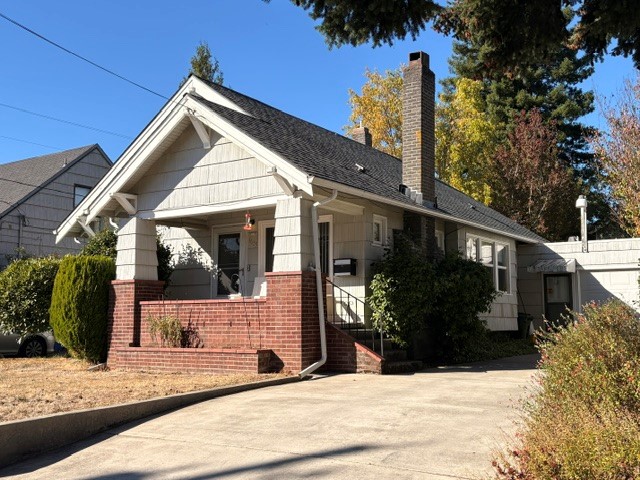
What an incredible transformation for this 1921 home! 🏡✨ The homeowner chose CertainTeed Landmark shingles in Granite Gray, giving this historic home a fresh, updated look while preserving its timeless character.
The home had existing 1/4-inch plywood roof decking, which is considerably thinner than commonly used roof sheathing today. The homeowner chose to install new 1/2-inch CDX plywood over the existing decking to create a more substantial surface for the new roofing system.
Here’s why a homeowner might choose to do this:
a. Addressing older construction: Some older homes have thin roof sheathing that homeowners choose to upgrade during a re roof.
b. Thicker roof decking: The original 1/4″ plywood is very thin. Adding 15/32″ CDX plywood creates a thicker overall deck.
c. Better support for roofing fasteners: A more substantial deck can provide better fastening support, provided the new panels are properly secured and the assembly is suitable for the fasteners used.
d. Improved stability: Additional sheathing can help create a more solid, consistent surface for installing the shingles.
A quick note on materials: Standard 1/2″ CDX plywood is technically manufactured at 15/32″ thickness, while 7/16″ is a common thickness for OSB (oriented strand board). The main difference? CDX is made from layers of wood veneer, while OSB is made from compressed wood strands bonded together.
At Portland Roofing Company, we believe in helping homeowners understand their options so they can make informed decisions about their roofs.
Side-by-side comparison of common decking options:
15/32″ CDX Plywood
Premium option in many roofing applications
Actual thickness: approximately 15/32″ (0.469″)
Made from layers of wood veneer glued together.
Generally handles temporary moisture better and tends to dry out more readily than OSB.
Often holds fasteners well, depending on the panel and fastener placement.
Usually costs more than OSB.
7/16″ OSB
Actual thickness: approximately 7/16″ (0.438″)
Made from compressed wood strands bonded with resin.
Commonly used for roof sheathing on residential homes.
Can swell at panel edges if exposed to moisture; prolonged wetting can cause damage.
Usually less expensive than plywood.
📍 North Portland 🏠 CertainTeed Landmark — Granite Gray 🔨 Quality workmanship from a local roofing company you can trust.
Book your free roof evaluation today at: www.pdxroofing.com or call at 503-490-3994
If you’re wondering, “How much does a roof replacement cost in Portland, Oregon?”, you’re not alone. Roofing costs can vary significantly from one home to another. Because every roof has different features and needs, a professional roofing contractor needs to evaluate the actual roof before providing an accurate estimate.
For example, two homes with similar square footage can have very different roofing costs. However, the size of the home represents only one part of the overall project.
Several factors can affect your total roof replacement cost, including the number of existing roofing layers, roof pitch, decking condition, ventilation, flashing, roof design, materials, repairs, and job-site access.
That’s why a professional roofing estimate should come from an evaluation of your actual roof rather than a quick phone estimate.
Why Can’t a Roofer Give You a Price Over the Phone for a roofing estimate?
It’s understandable that homeowners want a general idea of what a new roof might cost. However, roofing contractors cannot accurately price every project based only on a home’s square footage.
Instead, a contractor needs to evaluate several important factors.
For example, a simple ranch-style home with one layer of roofing may require significantly less work than a home with multiple roofing layers, steep slopes, several valleys, and complicated flashing.
In other words, two roofs that look similar from the street can require very different amounts of labor and materials.
Here are some of the most important factors that can affect your roof replacement cost in Portland, Oregon.
1. How Many Layers of Roofing Are on the Home?
First, your contractor needs to determine how many existing layers cover the roof.
Some homes have only one layer of shingles, while others have multiple layers. As a result, the tear-off process can vary from one project to another.
Removing additional roofing layers requires more labor, time, and disposal. Therefore, the number of existing layers can have a direct impact on your project cost.
A contractor also needs to determine whether the existing roofing materials require special handling or disposal.
2. What Is the Roof Pitch?
Next, your contractor needs to evaluate the roof pitch.
The pitch describes how steeply the roof slopes. Generally, steeper roofs require additional safety precautions and can take more time to work on.
For example, a steep roof may require specialized equipment, additional safety measures, and more labor than a low-slope roof.
Because of these differences, roof pitch plays an important role in determining the labor required for your project.
3. What Condition Is the Roof Decking In?
Underneath your roofing materials, you’ll find the roof decking. This material provides the structural surface that supports your roofing system.
During the roofing process, your contractor may discover damaged, deteriorated, or weakened decking.
Sometimes, homeowners cannot see these problems from the ground. However, your contractor can identify potential issues during the tear-off process.
If the decking needs repairs or replacement, the additional materials and labor can affect the final project cost.
For this reason, a contractor should account for potential decking repairs when explaining your roofing estimate.
4. Does the Home Have Proper Roof Ventilation and will this always be added to the roofing estimate?
In addition to the roof structure itself, your contractor needs to evaluate the ventilation system.
Proper attic and roof ventilation can help manage heat and moisture. Therefore, ventilation plays an important role in the overall roofing system.
Depending on your home’s existing ventilation, your contractor may recommend improvements or replacement of certain ventilation components.
As a result, ventilation requirements can affect both the scope and cost of a roof replacement.
5. How Complicated Is the Roof Design when getting a roofing estimate?
Another important factor is the overall design of your roof.
A simple roof with large, open sections typically requires less work than a complicated roof with multiple sections.
For example, your home may have:
Valleys
Hips
Ridges
Dormers
Additions
Multiple roof sections
Different roof elevations
Roof-to-wall transitions
Because each of these features requires additional planning and installation work, they can affect the total project cost.
In addition, complicated roof designs often require more precise cutting, flashing, and installation.
6. What Flashing Does the Roof Need and will it say in the roofing estimate?
Flashing helps protect areas where water could otherwise enter the roofing system.
For example, flashing may be needed around walls, roof-to-wall transitions, skylights, vents, and chimneys.
Your contractor should evaluate the condition of the existing flashing and determine what the new roofing system requires.
In some cases, existing flashing may remain suitable. In other cases, the contractor may recommend replacement to provide the proper protection for the new roof.
Ultimately, flashing details can affect both the materials and labor required for the project.
7. What Repairs Does the Roof Need?
Before installing a new roof, your contractor should identify visible areas that need repair.
These repairs may involve damaged decking, structural areas, flashing, ventilation components, or other roofing details.
However, some problems may not become visible until the existing roofing materials come off.
That’s why a contractor cannot always determine every repair from a quick visual inspection alone.
A professional contractor should explain any necessary repairs and discuss how they may affect the final cost.
8. How Easy Is It to Access the Property?
Another factor homeowners sometimes overlook is job-site access.
Roofing crews need enough space to safely deliver materials, remove old roofing, set up equipment, and dispose of debris.
For example, fences, landscaping, narrow driveways, detached structures, or limited staging areas can make a project more difficult.
As a result, property access can affect how efficiently a roofing crew can complete the work.
In addition, difficult access may require additional planning or equipment.
9. What Roofing Materials Are You Choosing?
Of course, the roofing materials you select also affect the overall cost.
Different roofing systems have different material costs, installation requirements, warranties, and expected lifespans.
Your estimate may include materials such as:
Asphalt roofing shingles
Underlayment
Ice and water protection
Ridge and hip materials
Ventilation products
Flashing
Roofing accessories
Other installation components
Most importantly, homeowners should compare complete roofing systems rather than comparing shingle prices alone.
A lower-priced material does not necessarily mean a lower overall project cost. Instead, consider the quality of the materials, installation specifications, warranties, and overall value.
Why a Cheap “Ballpark” Price Can Be Misleading
It can be tempting to choose a contractor who gives you the lowest number over the phone.
However, a quick ballpark price may leave out important details.
For example, the initial number may not account for additional roofing layers, decking repairs, flashing, ventilation, difficult access, or other necessary work.
As a result, the final cost could increase once the contractor evaluates the roof in person.
At Portland Roofing Co., we believe homeowners deserve a realistic estimate from the beginning.
Rather than giving you a low number just to get your attention, we prefer to evaluate your roof and explain the work your home actually needs.
That way, you can make a more informed decision before the project begins.
What Should You Expect From a Professional Roofing Estimate?
A professional roofing estimate should clearly explain the work included in your project.
For example, your estimate should provide information about the roofing system, preparation, tear-off, installation, repairs, and other project requirements.
In addition, your contractor should be willing to answer questions about the materials, warranties, installation process, and expected timeline.
You should also understand what the estimate does and does not include.
Most importantly, don’t be afraid to ask questions. A good roofing contractor should want you to understand your project before you sign a contract.
Your Roof Is Unique—Your Estimate Should Be Too
So, how much does a roof replacement cost in Portland, Oregon?
The honest answer depends on your specific home.
Because roofing projects involve much more than square footage, a contractor needs to evaluate the actual roof before providing an accurate price.
The number of existing layers, roof pitch, decking condition, ventilation, roof design, flashing, repairs, accessibility, and materials can all affect the final cost.
For this reason, we don’t believe in giving homeowners a random number over the phone.
At Portland Roofing Co., we evaluate your roof, explain what we find, and provide an estimate based on your home’s specific needs.
In the end, an accurate estimate helps you understand what you’re paying for and reduces the risk of unexpected costs later.
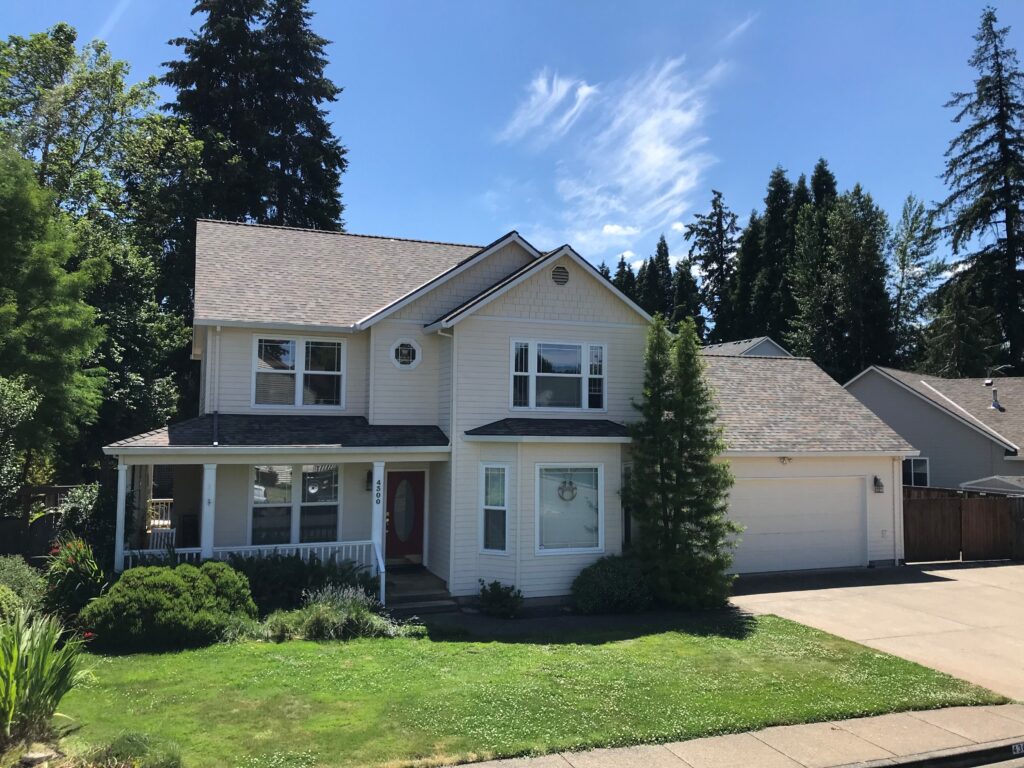
Quality residential roof replacement completed by Portland Roofing Company LLC
Protect Your Portland Metro Home Before Small Problems Become Expensive Repairs
Your roof is one of the most important parts of your home.
However, it is also one of the easiest things to forget about.
After all, most homeowners do not wake up every morning and think, “I wonder how my roof is doing today?” Unlike your kitchen, your floors, or your yard, your roof is usually out of sight and out of mind.
But here is the truth:
Your roof works every single day to protect your home.
It protects your family, your belongings, and everything you have worked hard for. In addition, it protects your home from Oregon’s rain, wind, moss, changing temperatures, and occasional storms.
So, when was the last time you really looked at your roof?
If your answer is:
“I don’t remember.”
“Probably when we bought the house.”
“I guess it’s been a while.”
You are not alone.
Many homeowners do not think about their roof until something goes wrong. Unfortunately, by that time, a small issue may have already turned into a much larger repair.
Help Portland-area homeowners understand their roofs, spot warning signs early, and make confident decisions about their homes.
Because when it comes to protecting your home…
We’ve Got You Covered!
Why Your Roof Needs Regular Attention
Your roof is your home’s first layer of protection.
Every day, it faces the elements. For example, during Oregon’s rainy season, your roof works nonstop to keep water away from your home’s interior. During windy months, it protects against falling branches, debris, and strong gusts.
Over time, however, even the best roofing systems will begin to show signs of wear.
This does not mean your roof is failing.
Instead, it means your roof may need attention.
Just like your vehicle needs oil changes and maintenance, your roof benefits from regular inspections and care.
In fact, catching a roofing issue early can often save homeowners thousands of dollars.
A small repair today may prevent:
Water damage
Mold growth
Damaged insulation
Ceiling stains
Expensive interior repairs
Premature roof replacement
Therefore, a simple roof check is one of the easiest ways to protect your investment.
Oregon Weather Can Be Tough on Your Roof
Living in the Portland Metro area means your roof experiences a wide variety of weather conditions.
From heavy rain and wind to moss growth and temperature changes, Oregon roofs go through a lot. According to the National Weather Service, the Pacific Northwest experiences significant seasonal rainfall, making proper roof maintenance especially important for homeowners.
Because of this, homeowners should pay attention to common roofing problems that develop over time.
Some of the most common issues we see include:
Missing or Damaged Shingles
Shingles are designed to protect your home from moisture. However, when shingles become damaged, cracked, or missing, water can find its way underneath.
As a result, your roof deck and interior areas may become vulnerable.
Moss and Algae Growth
Moss is common in the Pacific Northwest. Because moss thrives in cool, damp environments, homeowners in rainy climates should monitor their roofs regularly. The Oregon State University Extension Service provides additional information about managing moss and moisture-related concerns.
While a little moss may seem harmless, it can create problems over time. In fact, moss holds moisture against your shingles, which can shorten the life of your roofing system.
Additionally, heavy moss growth can lift shingles and allow water underneath.
Aging Roofing Materials
No roof lasts forever.
Eventually, shingles begin losing their protective granules, becoming brittle, curling, or cracking.
Therefore, if your roof is approaching 20 years old, it may be time for a professional evaluation.
Roof Check Time: What Should Homeowners Look For?
The good news is you do not need to climb onto your roof to notice warning signs.
Actually, we recommend that homeowners stay safely on the ground.
Instead, take a walk around your home and look carefully at your roof from different angles.
Here are some things to watch for:
1. Curling or Buckling Shingles
Healthy shingles should lay flat and look consistent.
However, older shingles may begin curling at the edges or buckling in certain areas.
This is often a sign that the shingles are aging and may no longer be providing the protection your home needs.
2. Missing Shingles
Strong winds can sometimes remove shingles completely.
Because missing shingles expose your roof system to moisture, they should be addressed quickly.
3. Dark Spots or Uneven Areas
Dark patches may indicate moss, algae, or areas where shingles are wearing differently.
Although not every dark spot means damage, it is worth having inspected.
4. Sagging Areas
A roof should have clean, straight lines.
If you notice sagging or uneven areas, it is important to have a professional take a closer look.
This could indicate moisture problems or damage underneath the roofing materials.
Inside Your Home: Warning Signs Your Roof May Be Trying to Tell You Something
While your roof is designed to protect your home from the outside, sometimes the first warning signs appear indoors.
In fact, your home may start showing clues before you ever notice a visible roofing problem.
Therefore, it is important to pay attention to changes inside your home as well as outside.
Some common indoor warning signs include:
Water Stains on Ceilings or Walls
One of the most obvious signs of a roofing issue is a water stain.
You may notice:
Brown or yellow discoloration
Peeling paint
Bubbling drywall
Damp spots after rainfall
However, it is important to remember that the location of the stain does not always show where the leak started.
Water can travel along rafters, insulation, and other areas before appearing inside your home.
Because of this, finding the source of a leak often requires professional experience.
Musty Smells or Moisture in the Attic
Your attic plays an important role in your home’s roofing system.
If your attic feels damp, smells musty, or has signs of moisture, your roof may not be properly keeping water out.
Additionally, poor ventilation can contribute to moisture problems. Proper attic ventilation and insulation also play an important role in home efficiency. The U.S. Department of Energy provides homeowner resources on improving energy efficiency.
Over time, excess moisture can lead to:
Damaged insulation
Wood deterioration
Mold concerns
Higher energy costs
For that reason, your attic should be included when evaluating the overall health of your roof.
How Long Does a Roof Last in Oregon?
One of the most common questions homeowners ask is:
“How long should my roof last?”
The answer depends on several factors.
For example:
Roofing material
Installation quality
Weather exposure
Proper ventilation
Maintenance
Surrounding trees
Previous repairs
Generally, asphalt shingle roofs can last approximately 20 to 30 years when properly installed and maintained. According to the National Roofing Contractors Association (NRCA), regular roof inspections and maintenance can help identify issues before they become larger problems.
However, Oregon’s wet climate can create additional challenges.
Because of our frequent rain and moisture, regular inspections become even more important.
If your roof is getting older, it does not automatically mean you need a replacement.
Instead, a professional evaluation can help determine whether your roof needs:
Minor repairs
Maintenance
Selective replacement
A complete roof replacement
Roof Repair vs. Roof Replacement: How Do You Know Which One You Need?
This is one of the biggest concerns homeowners have.
Many people worry that calling a roofing company automatically means they will be told they need a brand-new roof.
Fortunately, that is not how every roofing company operates.
At Portland Roofing Company LLC, we believe in honest recommendations.
If your roof still has useful life remaining, we will tell you.
If a repair can safely extend the life of your roof, we will explain that option.
However, if your roof has reached the end of its lifespan, we will walk you through the replacement process and explain why it may be the best long-term choice.
Ultimately, the right solution depends on your home’s specific needs.
Signs You May Need a Roof Replacement
Although every roof is different, there are several signs that replacement may be the better option.
These include:
Your Roof Is Near the End of Its Expected Lifespan
If your roof is 20+ years old, it is a good idea to have it inspected.
While some roofs last longer, age is an important factor when planning ahead.
Frequent Repairs Are Adding Up
Occasional repairs are normal.
However, if you are repeatedly fixing leaks, replacing shingles, or addressing damage, replacement may become the more cost-effective option.
Extensive Shingle Damage
If large sections of your roof have:
Missing shingles
Curling shingles
Cracking
Granule loss
A replacement may provide better protection and peace of mind.
Previous Roofing Problems Continue
Sometimes, ongoing problems are a sign that the roofing system needs a larger solution.
Therefore, it is important to address the root cause instead of repeatedly treating the symptoms.
Why Choose Portland Roofing Company LLC?
Choosing the right roofing contractor is an important decision.
After all, your roof protects one of your biggest investments—your home.
At Portland Roofing Company LLC, we focus on providing quality workmanship, honest communication, and a smooth customer experience from start to finish.
We are proud to offer:
✅ Free estimates for qualified homeowners* ✅ Experienced in-house roofing crews ✅ Quality roofing materials ✅ Residential roof repairs and replacements ✅ Financing options available ✅ Warranty options available depending on your roofing package** ✅ Service throughout the Portland Metro area within approximately 50 miles or up to one hour from our office
Most importantly, we believe homeowners deserve straightforward answers.
You should know:
What condition your roof is in
What options are available
Why repairs or replacement are recommended
What investment you are making in your home
That is why we take the time to explain the process.
Quality Roofing Starts With the Right Process
A successful roofing project is about more than installing shingles.
Instead, it starts with careful planning.
Our process includes:
Step 1: Roof Evaluation
First, we inspect your roofing system and identify any concerns.
Step 2: Honest Recommendations
Next, we explain what we find and discuss your options.
Step 3: Professional Installation
Finally, our experienced crews complete your project with attention to detail and quality workmanship.
Because we handle our own installations with in-house crews, we are able to maintain better consistency and communication throughout your project.
Don’t Wait Until You Have a Leak: Protect Your Home Before Problems Grow
Many homeowners make the same mistake:
They wait until they see water inside their home before they think about their roof.
However, by the time a leak becomes visible, the problem may have already been developing for weeks, months, or even longer.
In fact, water does not always enter directly above the area where you notice damage.
Instead, it can travel through roofing materials, insulation, and framing before finally appearing inside your home.
That means a small roofing issue can sometimes become a much larger repair.
Fortunately, there is a simple way to stay ahead:
Schedule a professional roof inspection before problems become emergencies.
The Benefits of Regular Roof Inspections
A roof inspection is not just about finding problems.
It is also about understanding the condition of your home and planning ahead.
For example, a professional inspection can help you:
✅ Identify small repairs before they become major issues ✅ Understand your roof’s remaining lifespan ✅ Budget for future replacement if needed ✅ Protect your home’s value ✅ Gain peace of mind during Oregon’s rainy season
Additionally, regular inspections are especially helpful after:
Major windstorms
Heavy rain events
Falling branches
Severe weather
Buying a new home
Because your roof is constantly exposed to the elements, knowing its condition is always a smart investment.
Common Roofing Questions Homeowners Ask
How often should I have my roof inspected?
Most homeowners benefit from having their roof inspected periodically, especially as the roof gets older.
Additionally, inspections are recommended after major storms or if you notice signs of damage.
How do I know if I need a roof repair or a full replacement?
The answer depends on several factors, including:
The age of your roof
The amount of damage
Previous repairs
The condition of the shingles and underlying materials
Fortunately, a professional inspection can help determine the best solution.
At Portland Roofing Company LLC, we focus on honest recommendations based on your roof’s actual condition.
Can moss damage my roof?
Yes.
Moss is especially common in the Pacific Northwest.
While it may seem harmless, moss holds moisture against shingles. Over time, this can contribute to premature aging, deterioration, and potential damage.
Therefore, addressing moss early can help extend the life of your roofing system.
What roofing services does Portland Roofing Company LLC provide?
We provide residential roofing services, including:
Roof repairs
Roof replacements
Roofing inspections
Shingle roofing systems
Roofing upgrades
Related exterior protection services
Whether you have a small concern or you are planning a complete roof replacement, our team is here to help.
Do you offer free roofing estimates?
Yes.
Portland Roofing Company LLC provides free estimates for qualified homeowners who are not currently in the process of selling their home.*
Our goal is to make the process simple, clear, and stress-free.
What areas does Portland Roofing Company LLC serve?
Used to determine whether a user is included in an A / B or Multivariate test.
18 months
_ga
ID used to identify users
2 years
_gali
Used by Google Analytics to determine which links on a page are being clicked
30 seconds
_ga_
ID used to identify users
2 years
_gid
ID used to identify users for 24 hours after last activity
24 hours
_gat
Used to monitor number of Google Analytics server requests when using Google Tag Manager
1 minute
_gac_
Contains information related to marketing campaigns of the user. These are shared with Google AdWords / Google Ads when the Google Ads and Google Analytics accounts are linked together.
90 days
__utma
ID used to identify users and sessions
2 years after last activity
__utmt
Used to monitor number of Google Analytics server requests
10 minutes
__utmb
Used to distinguish new sessions and visits. This cookie is set when the GA.js javascript library is loaded and there is no existing __utmb cookie. The cookie is updated every time data is sent to the Google Analytics server.
30 minutes after last activity
__utmc
Used only with old Urchin versions of Google Analytics and not with GA.js. Was used to distinguish between new sessions and visits at the end of a session.
End of session (browser)
__utmz
Contains information about the traffic source or campaign that directed user to the website. The cookie is set when the GA.js javascript is loaded and updated when data is sent to the Google Anaytics server
6 months after last activity
__utmv
Contains custom information set by the web developer via the _setCustomVar method in Google Analytics. This cookie is updated every time new data is sent to the Google Analytics server.
2 years after last activity
Marketing cookies are used to follow visitors to websites. The intention is to show ads that are relevant and engaging to the individual user.
Google Maps is a web mapping service providing satellite imagery, real-time navigation, and location-based information.