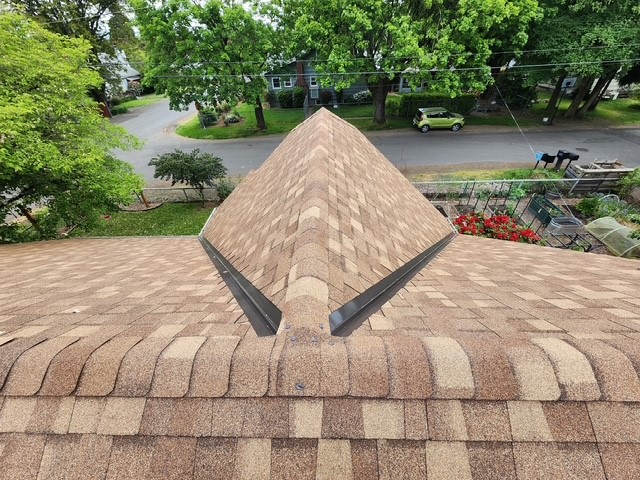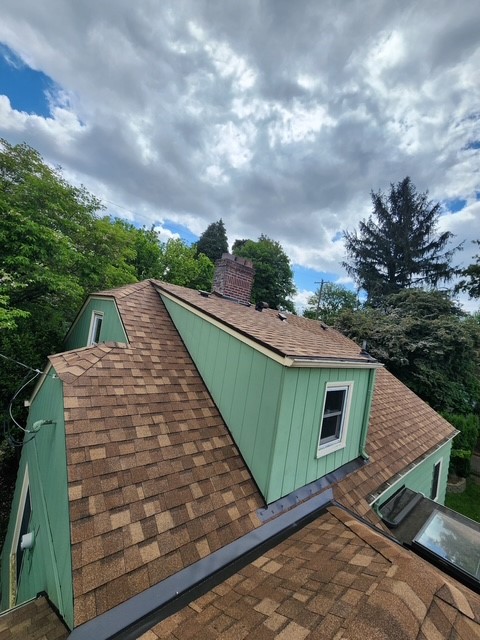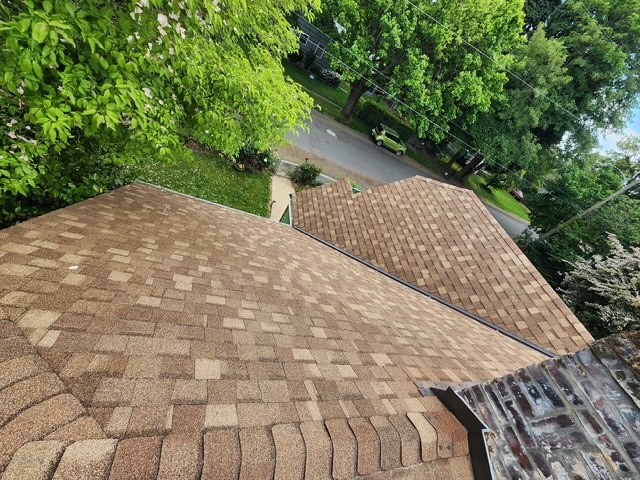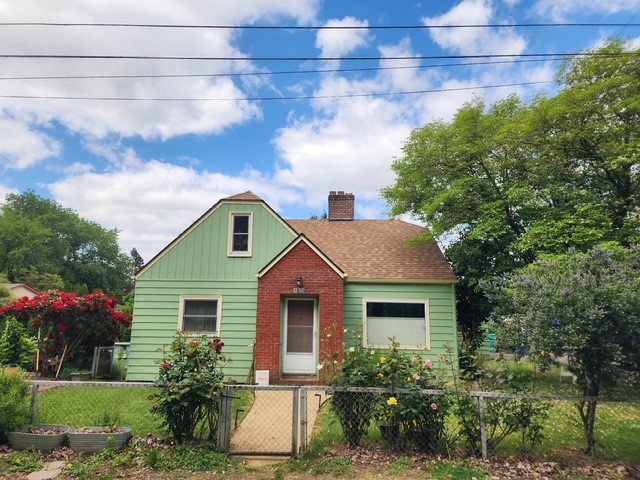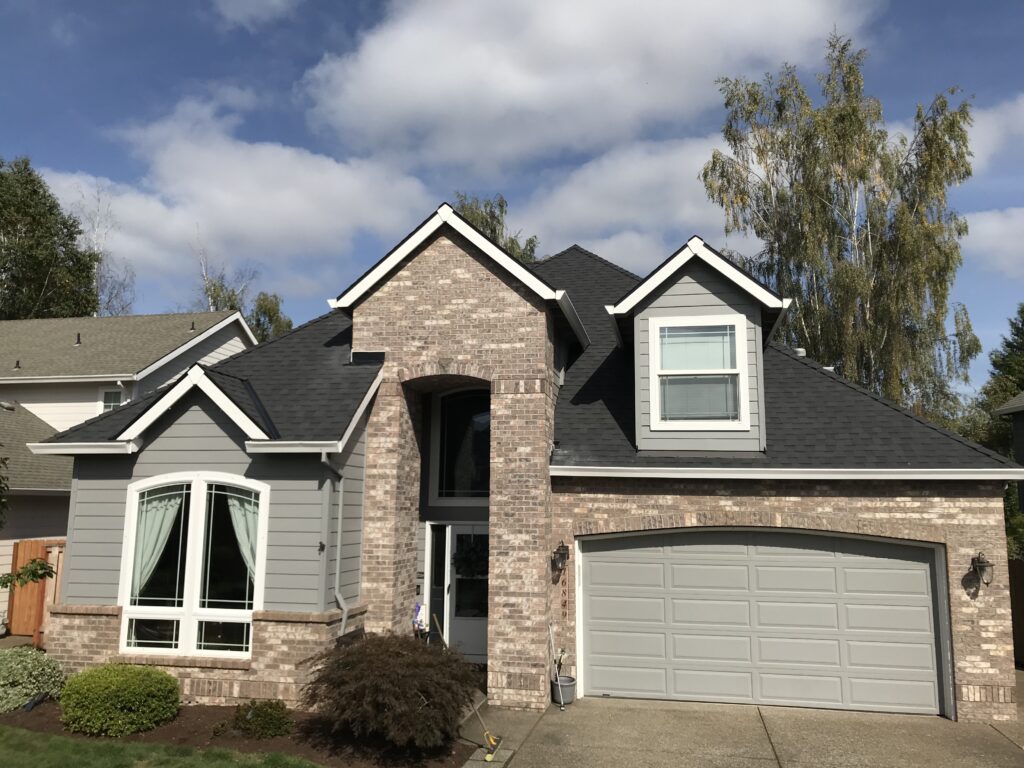
When most homeowners think about their roof, they probably think about shingles. But your roof is actually a complete system made up of several components working together to protect your home from rain, wind, moisture, heat, and the elements.
There are also several things about roofing that many homeowners don’t realize until they have a problem.
Here are five roofing facts every homeowner should know—and a few things you can watch for before a small issue turns into a major repair.
1. Your Roof Can Leak Without a Missing Shingle
One of the biggest misconceptions about roof leaks is that you should be able to look at your roof and immediately spot the problem.
That isn’t always the case.
A roof can develop a leak even when all of the shingles appear to be in place. Water can enter around:
- Chimney flashing
- Roof vents
- Plumbing pipe penetrations
- Valleys
- Skylights
- Wall-to-roof transitions
- Damaged or deteriorated flashing
- Small cracks or openings
Water can also travel underneath roofing materials before it becomes visible inside your home. This means the location of a ceiling stain isn’t necessarily directly below the actual source of the leak.
The takeaway: If you notice a water stain, discoloration, or moisture on your ceiling, don’t assume the problem is simply one missing shingle. A proper inspection can help identify where the water is actually getting into the roofing system.
2. A Roof Doesn’t Have to Be Old to Have Problems
Age is certainly an important factor when determining how much life a roof has left, but it isn’t the only factor.
A relatively new roof can still experience problems because of:
- Severe wind or weather
- Storm damage
- Improper installation
- Poor attic ventilation
- Damaged flashing
- Moisture intrusion
- Manufacturing defects
- Damage from trees or falling debris
Even a newer roof deserves attention if you notice missing or damaged shingles, granules collecting in your gutters, leaks, or other signs of damage.
The takeaway: Don’t wait until your roof reaches a certain age to start paying attention to it. Regular inspections and maintenance can help catch problems early.
3. Your Attic Can Affect the Life of Your Roof
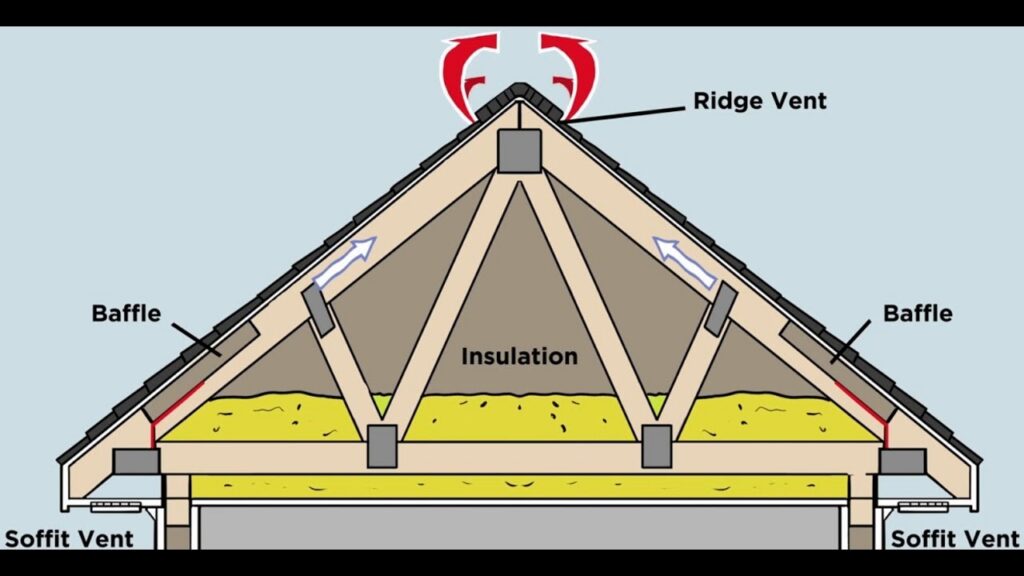
What’s happening underneath your roof can be just as important as what’s happening on top of it.
Proper attic ventilation helps regulate temperature and moisture levels inside your attic. When an attic doesn’t have adequate ventilation, heat and moisture can become trapped.
Over time, excessive heat and moisture can contribute to problems such as premature deterioration of roofing materials, moisture damage, and other issues within the roofing system.
A properly designed roofing system should consider both ventilation and insulation to help create a healthier attic environment.
The takeaway: When evaluating your roof, don’t forget about your attic. Your roof and attic work together as part of your home’s overall building system.
4. Ice & Water Shield Isn’t Just for Snowy Climates
When people hear the term “ice & water shield,” they often assume it is only necessary in areas that experience heavy snow and ice.
That’s not necessarily the case.
Ice & water shield is a waterproof membrane that provides an additional layer of protection in vulnerable areas of a roofing system. Depending on the design of the roof and local building requirements, it may be used around areas such as:
- Roof valleys
- Eaves
- Roof-to-wall transitions
- Around certain penetrations
- Other areas particularly vulnerable to water intrusion
While the name may suggest that it is strictly a snow-related product, its waterproofing properties can be valuable anywhere water has the potential to work its way underneath the roofing materials.
The takeaway: Roofing isn’t just about keeping rain off the shingles. Proper waterproofing in vulnerable areas is an important part of building a durable roofing system.
5. Your Shingles Are Only One Part of Your Roof
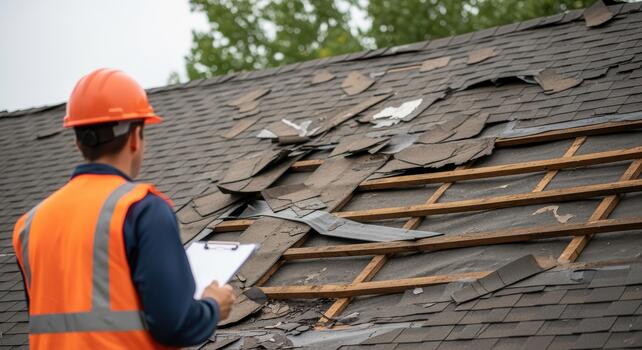
This may be the most important thing for homeowners to understand.
When you look at a finished roof, you see the shingles. But the shingles are only one component of the overall roofing system.
A properly installed roof can include:
- Roofing shingles
- Underlayment
- Ice & water protection
- Flashing
- Ventilation
- Roof decking
- Pipe flashing
- Ridge and/or intake ventilation
- Proper fastening
- Other components depending on the design of the home
All of these components have a purpose.
That’s why choosing a roofing contractor based solely on the price of the shingles—or simply choosing the lowest bid—may not tell you the whole story.
The quality of the materials matters, but proper installation and attention to the entire roofing system matter too.
Don’t Ignore the Small Signs
One of the best things a homeowner can do is pay attention to small changes.
Keep an eye out for:
- Water stains on ceilings or walls
- Missing, cracked, or damaged shingles
- Shingles that appear to be lifting
- Excessive granules in gutters
- Damaged flashing
- Moss or algae growth
- Sagging areas
- Water pooling
- Increased moisture in the attic
- Unexplained musty odors
Not every sign automatically means you need a new roof. In many cases, a smaller repair may be all that’s needed.
The important thing is finding the problem before it becomes a bigger and more expensive one.
Your Roof Is More Than Just Shingles
Your roof protects one of your home’s biggest investments, and there’s much more to it than what you can see from the ground.
Understanding how your roofing system works can help you recognize potential problems, ask better questions, and make more informed decisions when repairs or replacement are needed.
And remember: you don’t have to be a roofing expert to take good care of your roof.
If you’re unsure about the condition of your roof, having it evaluated by an experienced roofing professional can give you a better idea of what you’re dealing with—and whether you need a repair, maintenance, or a complete replacement.
Portland Roofing Co. — We’ve Got You Covered
Serving homeowners throughout the Portland Metro Area, Portland Roofing Co., LLC provides residential roofing services, including roof repairs, roof replacements, and gutter services.
Have questions about your roof? Give us a call or visit PORTLANDROOFINGCO.com to learn more.
You can also BOOK ONLINE for those that prefer not talking on the phone
Portland Roofing Co., LLC
We’ve Got You Covered.


 Take a deep dive: