There’s something about a brand-new roof that just changes the whole vibe of a house.
You pull into the driveway, look at your home, and suddenly think:
“Wow… that looks GOOD.” 😎🏠
That’s the AURA of a new roof.
But a new roof isn’t just about making your home look better. It can improve curb appeal, provide peace of mind, help protect your home from Oregon weather, and make your entire property feel refreshed.
And if you’re thinking about selling your home now or in the near future, a new roof can be an especially valuable improvement.
So let’s talk about why a new roof can do more than simply keep the rain out.
✨ What Exactly Is “Roof AURA”?
AURA is that hard-to-define feeling you get when something looks fresh, clean, finished and well cared for.
A new roof can create that feeling immediately.
The roof is one of the largest and most noticeable parts of your home’s exterior. When shingles are worn, stained, curling, missing or simply showing their age, the entire house can start to look tired—even when everything else is in great shape.
Replace that roof with a clean, modern roofing system?
Instant AURA.
It’s like giving your house a new haircut, except this haircut protects your home from the weather. 😂
🏠 Curb Appeal Starts at the Top
Your roof can have a major influence on how your home looks from the street.
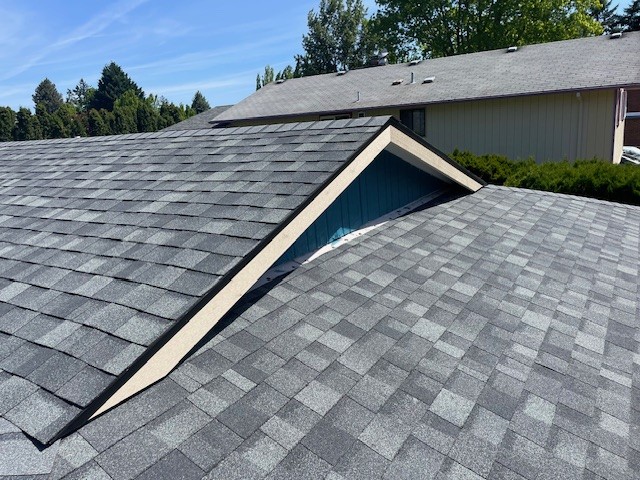
A fresh roof creates clean lines and gives the exterior a finished appearance. Choosing the right shingle style and color can also complement your siding, trim, windows, landscaping and overall architectural style.
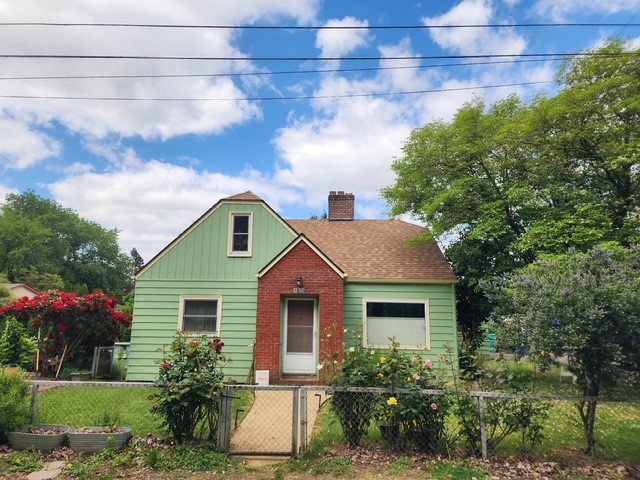
For example, the Estate Gray shingles used on this recent ranch-style home provide a classic, neutral appearance that works beautifully with many exterior color combinations.
And that’s one of the fun parts of replacing a roof:
You aren’t just replacing something old—you’re giving your home a fresh new look.
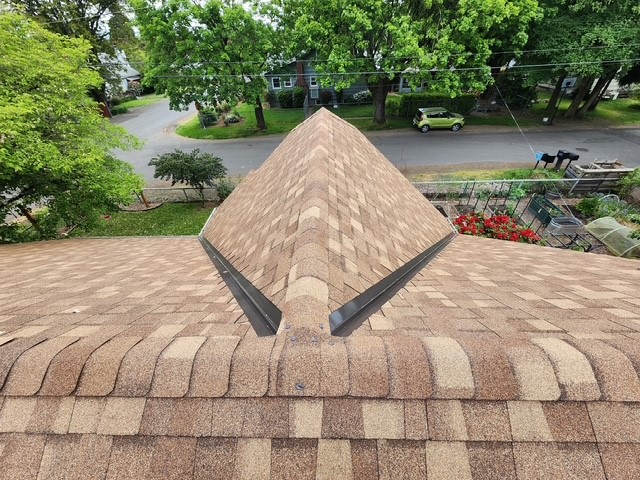
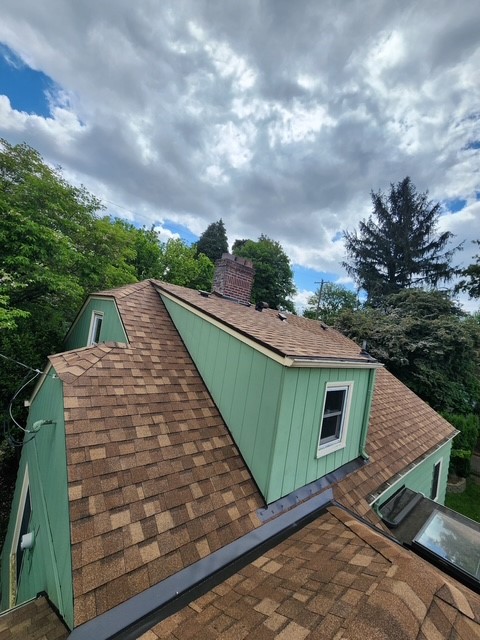
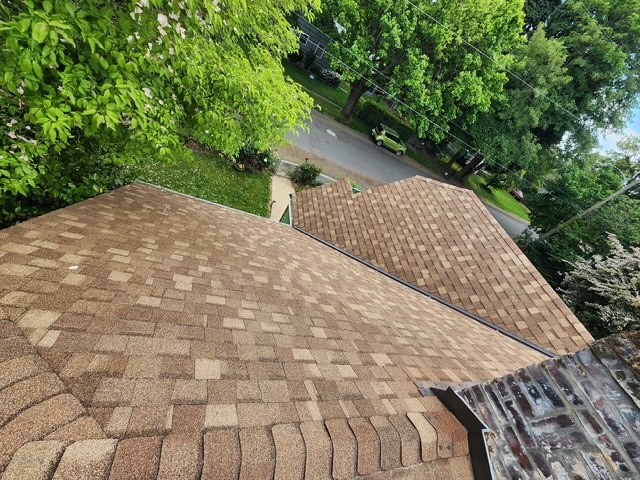
📸 The Difference Is Even Better From Above
Sometimes the best way to appreciate a new roof is to see it from the air.
A top-down photo can show just how uniform, clean and consistent a new roof looks after installation.
Then you see the street-level photo and realize:
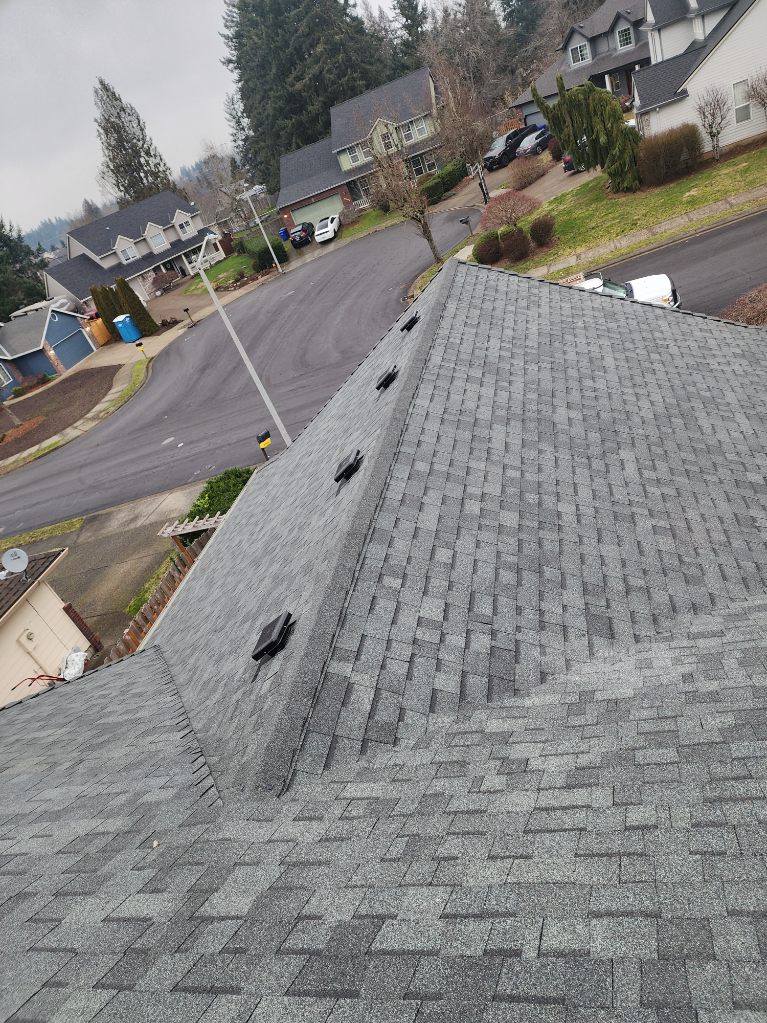
“Oh… THAT’S the AURA.” 😎
The combination of a clean roof, finished edges and a fresh exterior can make a home look dramatically different without changing the home’s structure at all.
🔨 But It’s More Than Just Looks
As great as the AURA is, the most important job of a roof is still protection.
A properly installed roofing system helps protect the home from rain, wind and the everyday weather conditions that Portland-area homes experience.
During a roof replacement, our crews also look beneath the shingles.
On this particular ranch-style home, we discovered areas of damaged plywood decking that needed to be replaced before the new roofing system could be installed.
That’s an important part of the process.
A beautiful roof is great.
A beautiful roof installed over a solid foundation is even better.
🛠️ A New Roof Can Bring Peace of Mind
One of the biggest benefits homeowners experience after replacing an aging roof isn’t something you can photograph.
It’s peace of mind.
Instead of wondering:
- Is that stain on the ceiling getting worse?
- Will the next big rain cause a leak?
- How much longer can I get out of these shingles?
- Is the roof going to make it through another Oregon winter?
You can simply look at your new roof and know that you’ve invested in protecting your home.
That’s a pretty good feeling.
That’s part of the AURA, too.
🏡 Selling Your Home? Don’t Forget the Roof.
If you’re planning to sell your home now or sometime in the near future, the condition of your roof can become an important part of the selling process.
A roof that’s near the end of its life can create questions, negotiations and potential headaches during the inspection and closing process.
A prospective buyer may see an aging roof and immediately start wondering:
“How much is this going to cost me?”
And that’s where a new roof can make a big difference.
Having the roof replacement completed before putting your home on the market can help eliminate one major concern for potential buyers. Instead of seeing an aging roof that may need attention soon, buyers see a freshly installed roofing system and one less major project they need to take on.
Less uncertainty. Fewer surprises. More confidence.
A new roof can also make your home more attractive to buyers who are looking for a home that’s move-in ready.
And let’s be honest—when buyers are scrolling through listings, a home with a fresh exterior and a beautiful new roof is going to make a stronger first impression than one with visibly worn roofing.
That doesn’t mean a new roof guarantees a higher sale price or eliminates every inspection issue. But it can help your home stand out, reduce one potential source of negotiation, and make the buying process feel easier and less intimidating.
If you’re already thinking about selling, it may be worth asking yourself:
“Would I rather replace the roof now—or wait until a buyer’s inspection brings it up?”
Sometimes taking care of the roof before listing can save you time, stress and headaches later.
And yes…
It adds AURA. 😎
💰 A Fresh Roof Can Make the Home Feel More Valuable
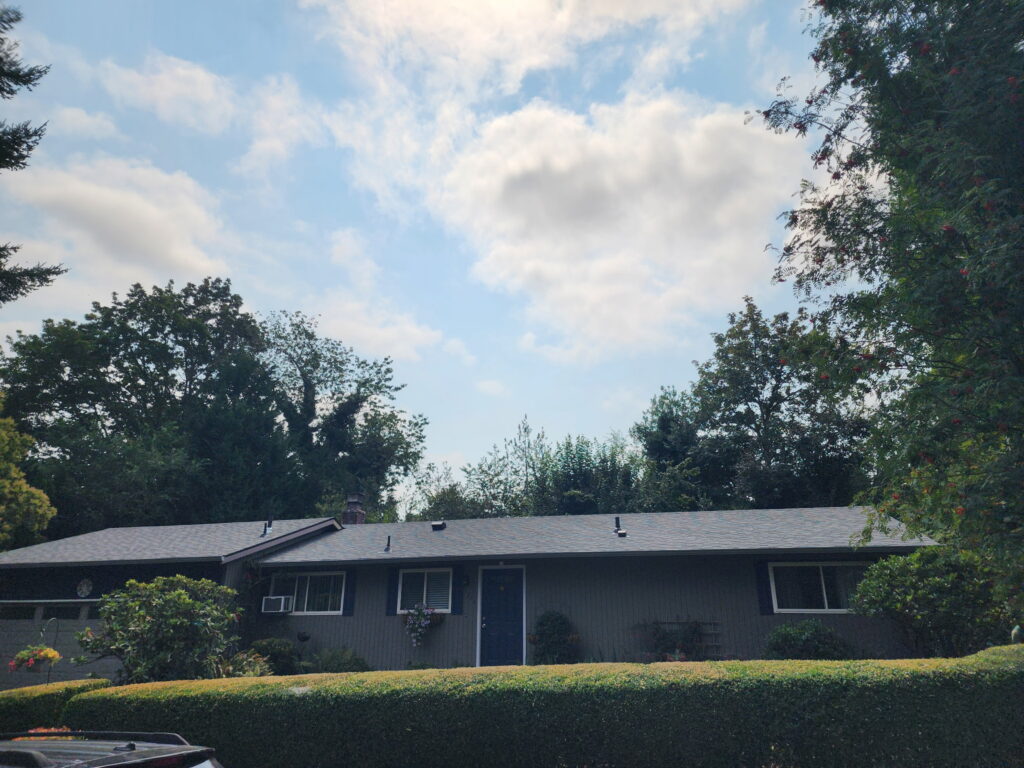
A new roof can contribute to the overall appearance and condition of a property.
For homeowners considering selling in the future, a worn-out roof can be one of the first things potential buyers notice.
A fresh, professionally installed roof can help create a positive first impression and demonstrate that the home has been properly maintained.
Even if you’re not selling anytime soon, there is something satisfying about knowing your home looks its best.
🎨 The Color Matters
Roof color can completely change the personality of a home.
That’s why choosing the right color isn’t something we take lightly.
For this project, the homeowners chose Owens Corning Oakridge® shingles in Estate Gray, creating a classic look that complements the simple lines of the ranch-style home.
Gray tones can provide a timeless appearance without overpowering the rest of the exterior.
And when the sun hits a freshly installed roof?
Yep. More AURA. ✨
🌧️ Especially Here in Oregon
Oregon roofs have a lot to deal with.
Rain, wind, moss, changing temperatures and long stretches of wet weather can all take their toll over time.
A new roofing system gives homeowners the opportunity to address aging materials, repair damaged decking where needed and start fresh with a properly installed roof system.
For this project, the result was a 30-year Owens Corning roof system that gives the homeowner a fresh appearance and long-term protection.
❤️ Sometimes You Don’t Realize How Much You Needed It
One of the most common reactions homeowners have after a roof replacement is:
“I didn’t realize how bad the old roof looked until I saw the new one.”
And that’s completely understandable.
When you’ve lived in a home for years, you stop noticing the little things.
The faded shingles.
The discoloration.
The worn areas.
The general “tired” look.
Then the new roof goes on…
And suddenly the house looks new again.
✨ So, What Is AURA?
AURA is the combination of everything you feel when your home looks refreshed and protected.
It’s:
✨ Better curb appeal.
✨ A clean, finished appearance.
✨ A fresh color and style.
✨ Protection from the elements.
✨ Confidence in your roofing system.
✨ Less worry when it’s time to sell.
✨ And that “WOW, look at my house!” feeling.
A new roof doesn’t change the address.
It doesn’t change the floor plan.
It doesn’t change the neighborhood.
But sometimes, it can completely change the way you feel when you pull into the driveway.
That’s the AURA of a new roof. 🏠✨
And if your roof is starting to look a little less “WOW” and a little more “WHEN DID THAT HAPPEN?”…
It might be time to give it a closer look. We are able to come out and give a free estimate!
Portland Roofing Co., LLC
📞 503-490-3994
📧 info@portlandroofingco.com
🌐 PDXROOFING.com
WE’VE GOT YOU COVERED.



 Take a deep dive: