HOA Roof Replacement Doesn’t Have to Be Complicated
Replacing your roof is a major investment, and if your home is located in a Homeowners Association (HOA) community, the process can feel even more overwhelming. Between selecting approved roofing materials, choosing the right colors, and meeting HOA guidelines, it’s easy to feel unsure where to begin.
At Portland Roofing Co., we work with homeowners and rental property owners throughout the Portland metro area to make the roofing process as smooth as possible.
We Help Guide You Through HOA Requirements
Every HOA has different roofing requirements. Some require approval before work begins, while others have specific rules regarding roofing colors, materials, or installation methods.
Our experienced team can help by:
Explaining the roofing process
Assisting with material and color selection
Providing documentation when needed
Scheduling your project efficiently
Completing installation with our experienced in-house crews
Whether you live in the home or own it as a rental property, we’ll help simplify the process from start to finish.
Quality Roofing for HOA Communities
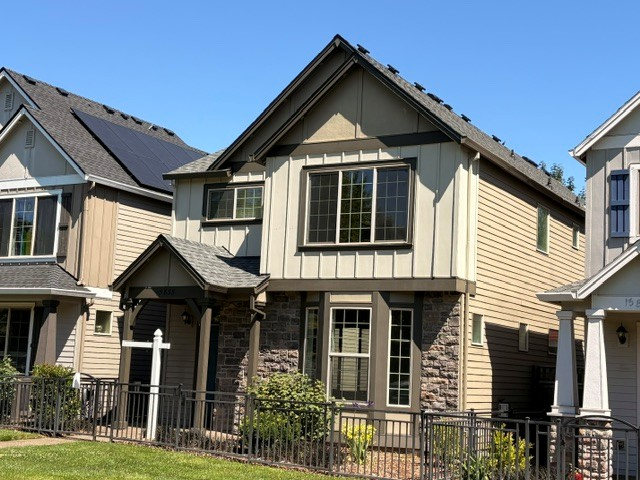
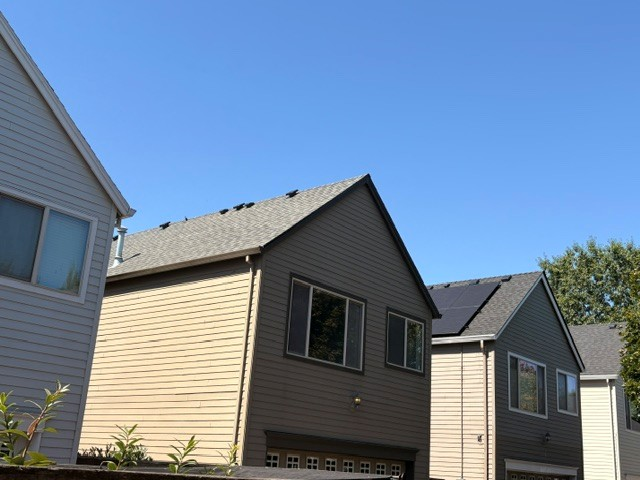
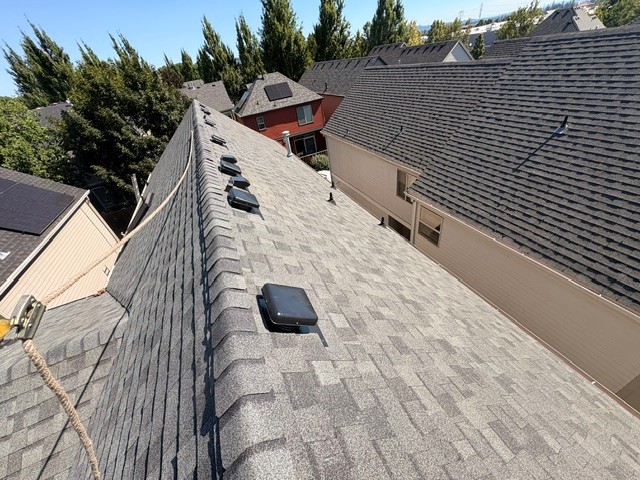
The project featured here is a rental property located in an HOA neighborhood. While every community has its own requirements, having an experienced contractor who understands the process can save homeowners time and unnecessary stress.
Our goal is to provide quality workmanship while helping homeowners feel confident throughout the project.
Your roof is one of the most important parts of your home, yet many homeowners aren’t sure what to look for when it comes to roof maintenance, repairs, or replacement. At Portland Roofing Co., LLC, we hear many of the same questions every day. To help homeowners make informed decisions, we’ve compiled the most common roofing questions and answers below.
Some of the most common signs include missing shingles, curling or cracked shingles, granules in your gutters, roof leaks, water stains on ceilings, and sagging roof areas. If your roof is more than 20 years old, it may be time to have it professionally evaluated. https://portlandroofingco.com/contact/
3. How Much Does a New Roof Cost?
Roof replacement costs vary depending on the size of the roof, the materials selected, the complexity of the project, and any repairs needed to the roof deck. The best way to determine the cost is to schedule a professional roof inspection and estimate.
Most residential roof replacements can be completed in one to three days. Larger homes, complex roof designs, weather delays, and structural repairs may extend the timeline.
6. Will Homeowners Insurance Cover a New Roof?
Insurance may cover roof damage caused by sudden events such as windstorms, hail, falling trees, or other covered perils. However, insurance generally does not cover damage resulting from age, wear and tear, or lack of maintenance.
7. What Roofing Material Is Best?
The best roofing material depends on your budget, aesthetic preferences, and long-term goals. Architectural asphalt shingles remain the most popular choice due to their affordability, durability, and appearance. Metal roofing is another excellent option for homeowners seeking longevity and energy efficiency.
8. Should I Replace My Gutters When I Replace My Roof?
Not always, but it is often a good time to evaluate the condition of your gutters. If your gutters are leaking, rusting, sagging, or nearing the end of their lifespan, replacing them during a roof replacement can improve your home’s overall water management system.
9. What Causes Roof Leaks?
Roof leaks can occur for many reasons, including damaged shingles, failed flashing, cracked vent boots, clogged gutters, skylight issues, or improper installation. Water often travels before becoming visible inside the home, making professional diagnosis important.
10. Can a New Roof Be Installed Over the Existing Roof?
In some situations, building codes allow a second layer of shingles. However, a complete tear-off is generally recommended because it allows the roof deck to be inspected for hidden damage and helps ensure the longest-lasting installation.
11. What Is Roof Flashing?
Flashing is a metal material installed around roof penetrations and transitions such as chimneys, skylights, valleys, walls, and vents. Its purpose is to direct water away from vulnerable areas and prevent leaks.
12. Why Is Roof Ventilation Important?
Proper roof ventilation helps regulate attic temperatures, reduce moisture buildup, improve energy efficiency, and extend the life of roofing materials. Poor ventilation can contribute to mold growth, wood rot, and premature roof failure.
13. Why Are There Granules in My Gutters?
Asphalt shingles are coated with protective granules. Some granule loss is normal over time, especially on newer roofs. However, excessive granule loss may indicate that the shingles are aging and may need replacement.
14. Can a Roof Leak Without Visible Damage?
Yes. Many roof leaks originate from flashing failures, cracked vent boots, hidden storm damage, or installation issues that are not easily visible from the ground.
15. How Often Should a Roof Be Inspected?
Most roofing professionals recommend having your roof inspected every one to two years and after major windstorms or severe weather events. Regular inspections can identify minor problems before they become costly repairs.
16. What Time of Year Is Best for Roof Replacement?
Roof replacement can be performed year-round when weather conditions allow. Spring, summer, and fall often provide ideal working conditions, but experienced roofing contractors can install roofs successfully during winter months as well.
17. How Can I Make My Roof Last Longer?
Regular maintenance is key. Keep gutters clean, remove debris from the roof, trim overhanging branches, maintain proper ventilation, and address repairs promptly when issues arise.
18. Is Moss on My Roof a Problem?
Yes. Moss traps moisture against roofing materials, which can accelerate deterioration and shorten the lifespan of your roof. Professional moss treatment and preventative maintenance can help protect your investment.
19. What Should I Look for When Hiring a Roofing Contractor?
Look for a roofing contractor who is licensed, insured, experienced, and highly reviewed. Ask about warranties, references, and the materials being used. A reputable contractor should provide a detailed written estimate and answer your questions thoroughly.
20. How Do I Know If My Roof Has Storm Damage?
Storm damage can include missing shingles, lifted shingles, dents in vents or flashing, granule loss, water intrusion, and fallen tree debris. Many forms of storm damage are difficult to spot from the ground, making a professional inspection valuable after severe weather.
Schedule a Professional Roof Inspection
Whether you’re dealing with a leak, storm damage, or simply wondering about the condition of your roof, a professional inspection can provide peace of mind. At Portland Roofing Co., LLC, we offer honest assessments, quality workmanship, and free estimates for homeowners throughout the Portland metro area.
Contact us today to learn more about your roofing options and keep your home protected for years to come.
Cookie Consent
We use cookies to improve your experience on our site. By using our site, you consent to cookies.
Used to determine whether a user is included in an A / B or Multivariate test.
18 months
_ga
ID used to identify users
2 years
_gali
Used by Google Analytics to determine which links on a page are being clicked
30 seconds
_ga_
ID used to identify users
2 years
_gid
ID used to identify users for 24 hours after last activity
24 hours
_gat
Used to monitor number of Google Analytics server requests when using Google Tag Manager
1 minute
_gac_
Contains information related to marketing campaigns of the user. These are shared with Google AdWords / Google Ads when the Google Ads and Google Analytics accounts are linked together.
90 days
__utma
ID used to identify users and sessions
2 years after last activity
__utmt
Used to monitor number of Google Analytics server requests
10 minutes
__utmb
Used to distinguish new sessions and visits. This cookie is set when the GA.js javascript library is loaded and there is no existing __utmb cookie. The cookie is updated every time data is sent to the Google Analytics server.
30 minutes after last activity
__utmc
Used only with old Urchin versions of Google Analytics and not with GA.js. Was used to distinguish between new sessions and visits at the end of a session.
End of session (browser)
__utmz
Contains information about the traffic source or campaign that directed user to the website. The cookie is set when the GA.js javascript is loaded and updated when data is sent to the Google Anaytics server
6 months after last activity
__utmv
Contains custom information set by the web developer via the _setCustomVar method in Google Analytics. This cookie is updated every time new data is sent to the Google Analytics server.
2 years after last activity
Marketing cookies are used to follow visitors to websites. The intention is to show ads that are relevant and engaging to the individual user.
Google Maps is a web mapping service providing satellite imagery, real-time navigation, and location-based information.