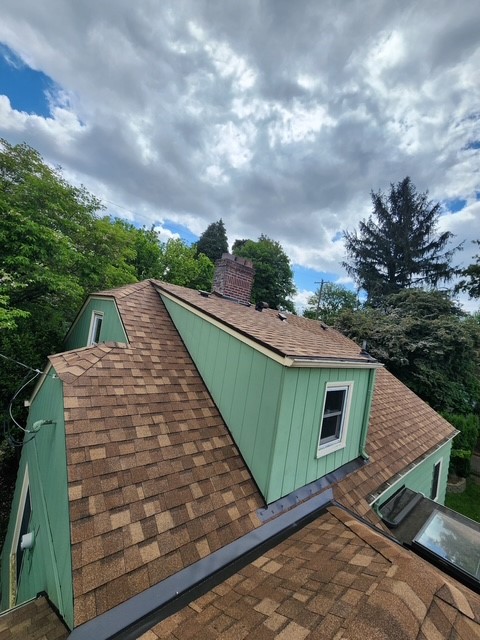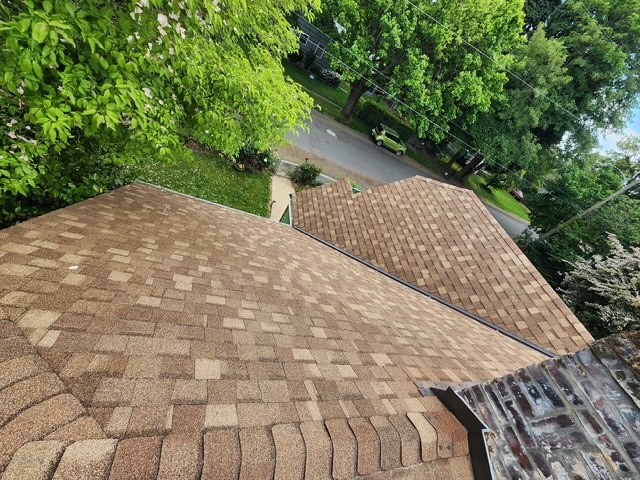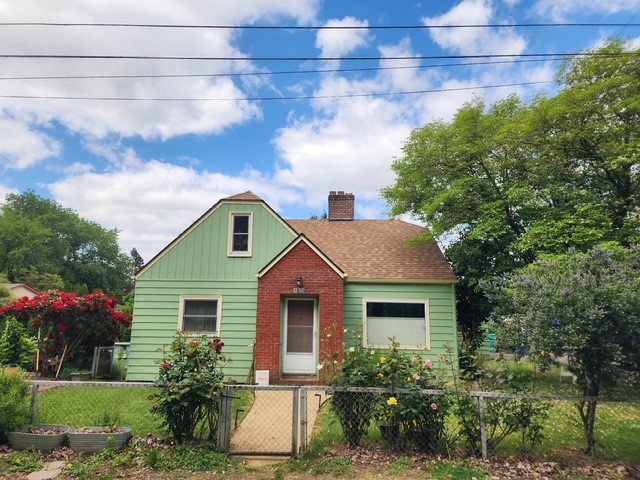
Many homeowners wait until a roof leak or visible damage appears before thinking about their roof. Unfortunately, by the time problems become obvious, repairs are often more expensive and urgent. Planning ahead for roofing and other home improvement projects gives homeowners a chance to make informed decisions. There is no pressure of an emergency.


Why Early Roof Inspections Matter

According to the National Roofing Contractors Association (NRCA – https://www.nrca.net/), regular roof inspections and maintenance can help extend roof life and prevent costly damage. One of the biggest mistakes homeowners make is delaying minor repairs. Small issues are often ignored. Over time, they grow into larger problems. This can lead to widespread damage. In many cases, it forces a full re-roof sooner than expected. Addressing problems early can help avoid premature roof replacement. It also helps protect the overall integrity of the home.


How Small Roof Repairs Prevent Bigger Problems

Roofing manufacturers like GAF recommend addressing small issues early to prevent more extensive damage and premature roof replacement (https://www.gaf.com/). Starting early helps you understand the condition of your roof. It also helps estimate how much life it has left. In some cases, a simple repair or maintenance service can extend the roof’s lifespan. This also gives you more time to plan and budget for a future replacement.

A professional inspection can catch small issues early. These issues include leaks, structural damage, mold, and interior damage. Fixing them early helps prevent costly repairs later.


Why Planning Ahead Is Important in the Pacific Northwest

Planning ahead also gives you better scheduling flexibility. In the Pacific Northwest, many homeowners complete exterior projects during the nicer weather months. Because of this, roofing schedules fill up quickly in spring and summer.

This can push projects out weeks or even months. Homeowners who plan early usually have more options. This includes scheduling, materials, financing, and overall project timing.


Benefits of Scheduling a Roof Inspection Early

Early planning also reduces stress. Instead of making a rushed decision during an emergency, homeowners can take their time. They can compare options, ask questions, and plan properly for their home and budget.


A roof protects everything underneath it. Planning ahead helps protect your investment, your finances, and your peace of mind.


#RoofingTips #RoofMaintenance #RoofRepair #RoofReplacement #HomeImprovement #PreventativeMaintenance #ProtectYourHome #RoofInspection #HomeownerTips #RoofingExperts #RoofingContractor #ResidentialRoofing #ExteriorHomeProjects #PNWHomes #PacificNorthwest #PortlandRoofing #OregonRoofing #HomeMaintenance #RoofCare #StormPreparation #LeakPrevention #PlanAhead #HomeProjects #RoofingEducation #HouseMaintenance #PropertyProtection #FreeRoofEstimate #LocalRoofing #RoofingCompany #HomeInvestment

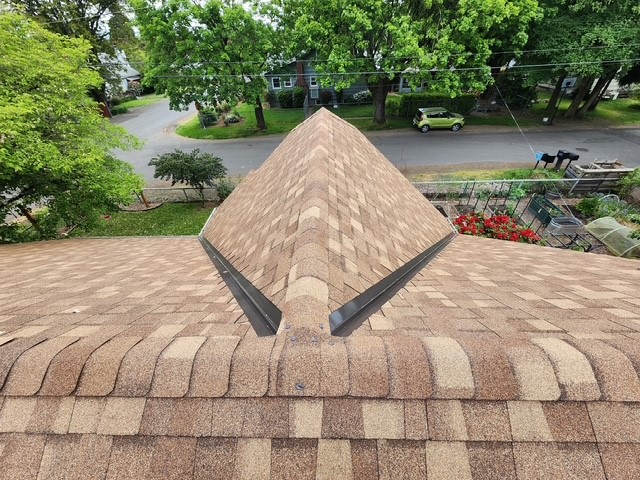
5 reasons why to Hire a Direct Roofing Company

When it’s time for a new roof, most homeowners focus on two things: the price and the shingles. However, the most important factor in the longevity of your home is often hidden behind the contract. Many roofing companies operate as “sales firms”—they sell you the job, then hire a separate crew of subcontractors to actually install it. At Portland Roofing Company, we are your Direct Roofing Company that you can count on.


1: Quality Control and Training Standards

The biggest difference between a direct roofing company and a subcontractor model is consistency. A direct roofing company invests in its employees through:

  • Manufacturer Certifications: In-house teams are often factory-trained by brands like GAF or Owens Corning, ensuring they know the specific nuances of the materials.
  • Uniform Standards: When a company uses the same crew every day, they establish a “gold standard” for how every valley is flashed and every nail is driven.
  • The “Broker” Problem: Subcontractors are often paid by the “square” (a 10×10 area). This incentivizes speed over precision. A direct employee, however, is incentivized by job performance and company reputation.

2: The Warranty Minefield

A roof is only as good as its warranty, but subcontracting can make those warranties nearly impossible to claim.

  • The “Finger-Pointing” Trap: If your roof leaks two years later, a sales-based company may blame the subcontractor. If that subcontractor has moved on or changed their business name, you are left in a legal limbo.
  • Workmanship vs. Material: Most leaks are caused by installation errors, not material defects. Manufacturers will often void a material warranty if they find the roof wasn’t installed to their exact specifications—a common issue with rotating subcontracted crews rather than hiring a Direct Roofing Company.
  • Direct Accountability: With a direct company, there is no “other guy.” The company owns the workmanship, making the repair process seamless and stress-free.

see our manufacturers warranty info below:

*https://www.owenscorning.com/en-us/roofing/warranty

*https://www.certainteed.com/documents-downloads/warranty-information


3: Liability and Safety Risks

Roofing is one of the most dangerous professions in the country. If an accident happens on your property, you need to know you are protected.

  • Workers’ Comp Coverage: Direct Roofing companies carry comprehensive workers’ compensation for all their employees.
  • The Subcontractor Loophole: Some subcontractors operate as “independent entities” to help the main contractor save on insurance costs. If a subcontractor is injured and doesn’t have proper coverage, the homeowner’s insurance could potentially be held liable.
  • OSHA Compliance: In-house crews are subject to the company’s internal safety culture. Subcontractors, who are often rushing to the next job, may cut corners on safety harnesses and debris management.
  • see more info on Oregon Osha link here: https://www.osha.gov/residential-construction

4: Clear Communication and Professionalism

There is a massive psychological benefit to knowing exactly who is in your driveway.

  • Dedicated Project Managers: Direct companies typically provide a dedicated lead who stays on-site. You won’t have to wonder who is in charge or deal with language barriers or “middleman” delays.
  • Property Protection: In-house teams are trained in specific company protocols for protecting your landscaping, windows, and siding. They aren’t just there to tear off a roof; they are there to respect your home.
  • Direct Communication: If you have a question mid-project, you can get an answer immediately from someone who actually works for the company you hired with Direct to consumer Roofing.

5: The “Must-Ask” Question Before You Sign

The most important thing a homeowner can do is ask one simple, direct question: “Will the crew working on my roof be actual employees of your company, or are they subcontractors?” (At Portland Roofing Company, we use our own employees and do Direct Roofing rather than subcontractors).

If the answer is “subcontractors,” follow up with:

  1. How long have you worked with this specific crew?
  2. Do you provide workers’ compensation for them directly?
  3. Who is the on-site supervisor employed by?

here are some information on tips for hiring a contractor from the BBB website. https://www.google.com/search?q=https://www.bbb.org/article/news-releases/14092-bbb-tip-hiring-a-contractor

Conclusion

Your roof is the first line of defense for your greatest investment. While hiring a company that uses subcontractors might save a few dollars upfront, the long-term risks to quality, safety, and your warranty are significant. Choosing a direct roofing company means choosing peace of mind, professional accountability, and a roof that is built to last.

investment in a shingle roof replacement is a big decision. Contact us today for a free estimate from our 100% in-house roofing crew. https://portlandroofingco.com/ and click on book appointment for your free roof consultation today!